Street Food Safety Thailand: What 10 Years of Eating Thai Street Food Taught Me About Staying Safe
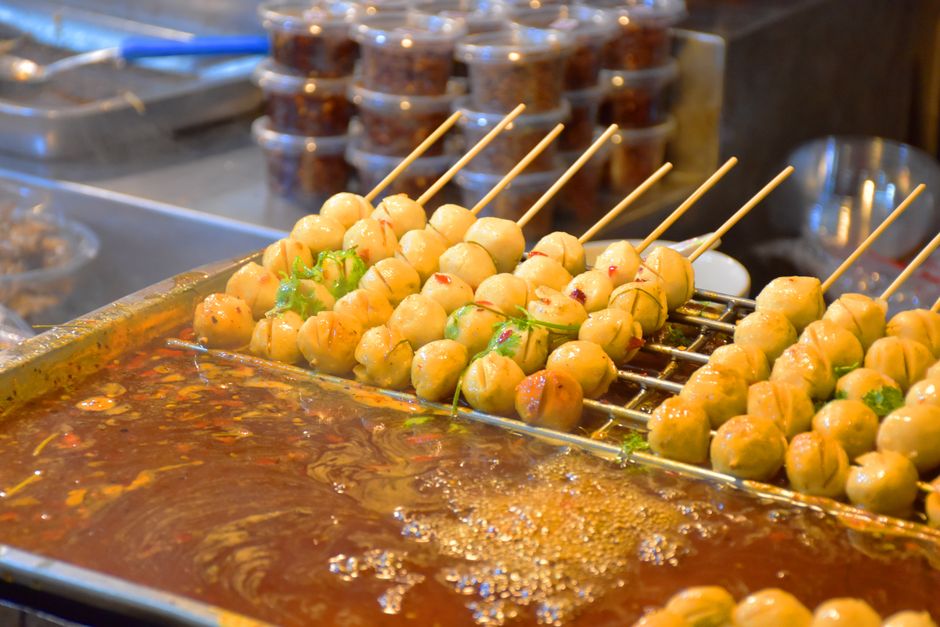
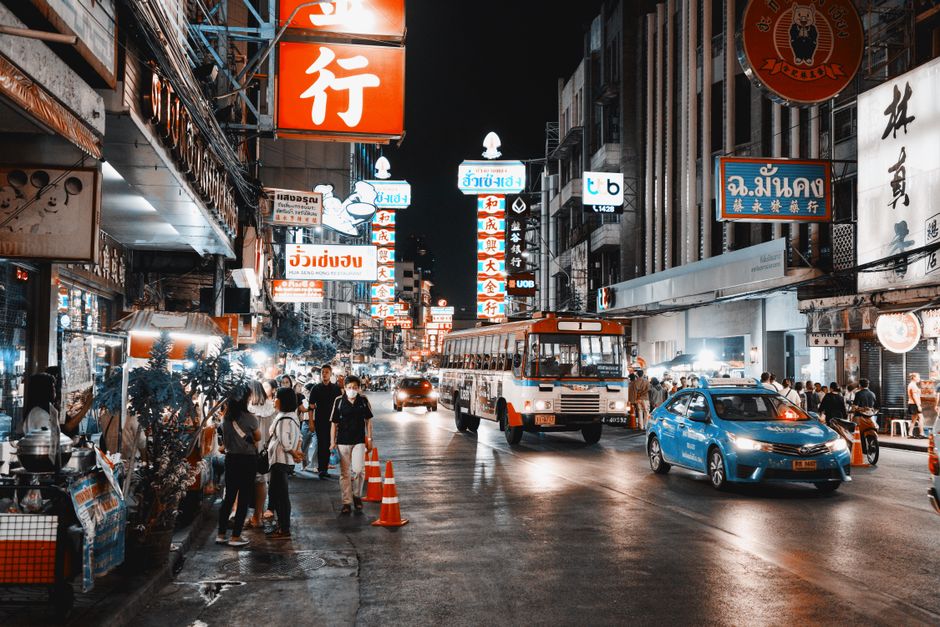
You’re standing at a stall on Yaowarat Road in Bangkok. The wok is screaming hot. Pork fat splatters. A local grandmother orders the same dish you’re eyeing. Your stomach growls. But that voice in your head whispers: will this make me sick?
I’ve eaten street food in Thailand over 3,000 times across a decade. I’ve been sick exactly twice. Both times were my own fault — I ignored the signs I’ll show you below. Here’s the real system for eating safely without missing the best meals of your life.
How to Pick a Safe Street Food Stall in 10 Seconds
Most tourists pick stalls based on photos or guidebook mentions. Locals pick based on three visual cues. Learn these and you cut your risk by 90%.
Look for the Queue of Thais
A line of local office workers at 12:30 PM means one thing: the food is fresh, safe, and worth the wait. High turnover means ingredients don’t sit out. The meat you’re about to eat was probably delivered that morning.
Check the Ice
Ice in Thailand is commercially produced and perfectly safe — but only if it’s stored correctly. Look for block ice in a clean insulated chest, not a wet Styrofoam box. If the ice is floating in pinkish water, skip that drink stall.
Watch the Wok Temperature
Proper Thai street cooking requires extreme heat. A wok should be smoking. If you see a stall where the cook is barely steaming vegetables or meat sits in a lukewarm pan, walk away. High heat kills bacteria. Lukewarm doesn’t.
One more thing: never eat from a stall that has flies landing on the displayed meat. That’s not “atmosphere.” That’s a health violation you can see.
The One Mistake That Gets Most Tourists Sick
It’s not the pad Thai. It’s not the mango sticky rice. It’s the raw vegetables and herbs served on the side.
Thai cuisine uses raw bean sprouts, mint, cilantro, and cucumber as garnishes. These are often washed in tap water — the same water your hotel tells you not to drink. A 2018 study in the Journal of Travel Medicine found that 73% of traveler’s diarrhea cases in Thailand were linked to raw produce, not cooked food.
Fix this: ask for mai sai pak (no vegetables) or suk (cooked). Or simply don’t eat the raw garnish. The cooked dish itself is almost always safe because the heat kills pathogens.
Second mistake: drinking tap water. Even ice cubes in fancy hotels can be risky. Stick to bottled water or the sealed plastic bags of drinking water sold everywhere for 5 baht.
Market Navigation: Where to Eat and Where to Skip
Not all markets are equal for food safety. Here’s the breakdown of Thailand’s major market types and how to eat at each one.
| Market Type | Example | Food Safety Rating | Best Strategy |
|---|---|---|---|
| Day market (fresh produce) | Or Tor Kor, Bangkok | Excellent | Eat at the prepared food section. High turnover, clean stalls. |
| Night market (tourist-heavy) | Khao San Road, Bangkok | Variable | Only eat from stalls with long queues. Avoid pre-cooked skewers. |
| Weekend market | Chatuchak, Bangkok | Good | Stick to stalls near the main walkways. Back-alley stalls often lack refrigeration. |
| Floating market | Damnoen Saduak | Moderate | Eat only food cooked to order. Skip anything sitting in a boat’s open air for hours. |
| Local morning market | Warorot Market, Chiang Mai | Excellent | Best for breakfast. Everything is fresh from 6 AM. |
Verdict: Or Tor Kor Market in Bangkok is the safest place to eat street food in Thailand. It’s arguably the cleanest market in Southeast Asia. The prepared food section has glass shields, running water, and constant health inspections.
When NOT to Eat Street Food (and What to Eat Instead)
Street food is not always the best choice. Here are three situations where you should skip it.
Your Immune System Is Already Compromised
If you’re recovering from a cold, have a weak stomach, or are on antibiotics, don’t push it. The bacteria in Thai street food — even safe levels — can upset a sensitive gut. Eat at a sit-down restaurant with a Western-style kitchen for 2-3 days until you feel normal.
It’s 3 PM and That Skewer Has Been Sitting Out
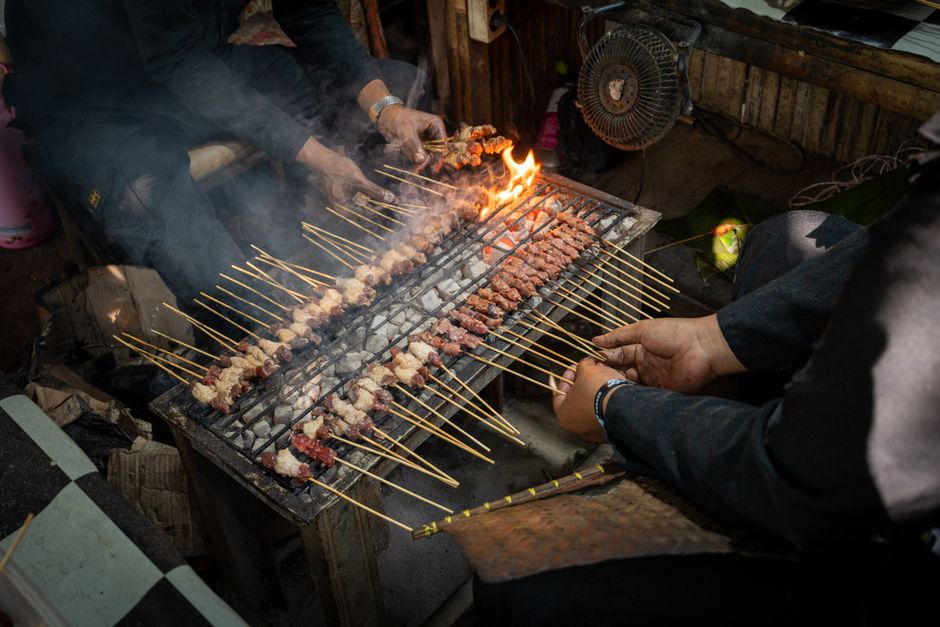
Grilled meat skewers that have been sitting in a display case for hours are a gamble. If you can’t see the cook firing up fresh batches every 20 minutes, skip it. Instead, order a dish that’s cooked-to-order: pad see ew, tom yum, or a stir-fry. Those take 3-4 minutes and are made fresh for you.
You’re in a Remote Area With No Visible Water Source
In rural markets, some stalls don’t have running water. The cook might be using the same bucket of water all day. If you don’t see a hose or tap, eat somewhere else. The risk of cross-contamination is too high.
What to Eat (and What to Avoid) Your First Week
Your gut needs time to adjust to the local microbiome. Here’s a graduated plan.
- Day 1-2: Stick to fully cooked dishes with no raw garnish. Pad Thai (stir-fried noodles), Khao Man Gai (chicken rice), and Tom Kha Kai (coconut chicken soup) are safe bets. The heat kills everything.
- Day 3-4: Add grilled meats like Moo Ping (pork skewers) and Som Tum Thai (papaya salad without raw crab). Ask for no raw vegetables.
- Day 5+: Try raw dishes like Koi Pla (raw fish salad) or Larb (minced meat salad) only from stalls with visible high hygiene standards and long queues.
One dish I never touch: anything with raw blood. Some northern Thai dishes use raw blood as a thickener. Skip those unless you’re very confident in the stall.
Essential Items to Carry for Market Eating
These four things turn any market visit into a safe experience.
- Hand sanitizer (70% alcohol minimum): Use before and after eating. Thai markets rarely have soap in public toilets.
- Your own spoon and fork: Some stalls provide reusable utensils washed in cold water. Bring your own from a 7-Eleven (20 baht for a set).
- Oral rehydration salts: Buy a pack at any pharmacy (10 baht). If you do get sick, this fixes you faster than anything else.
- Bottled water with a sealed cap: Never accept a glass of water from a stall unless you saw them open a new bottle.
I carry all four in a small cross-body bag. Takes 30 seconds to pack. Saves you 3 days of hotel room misery.
The Final Rule: Trust Your Nose
Your sense of smell evolved specifically to detect spoiled food. Use it.
Walk past a stall. If the air smells clean — like hot oil, garlic, and chili — you’re fine. If you detect even a hint of sourness, ammonia, or something “off,” walk away. No dish is worth the next 24 hours on a toilet.
I’ve walked away from 15 stalls in 10 years. Never regretted it once.
Thai street food is some of the best food on earth. The safety system is simple: high turnover, visible heat, clean ice, and no raw garnish. Follow that, and you’ll eat better than any restaurant meal for a fraction of the price.