Packing List Winter Patagonia: Packing List for a 2-Week Winter Trip to Patagonia: What I Actually Bring
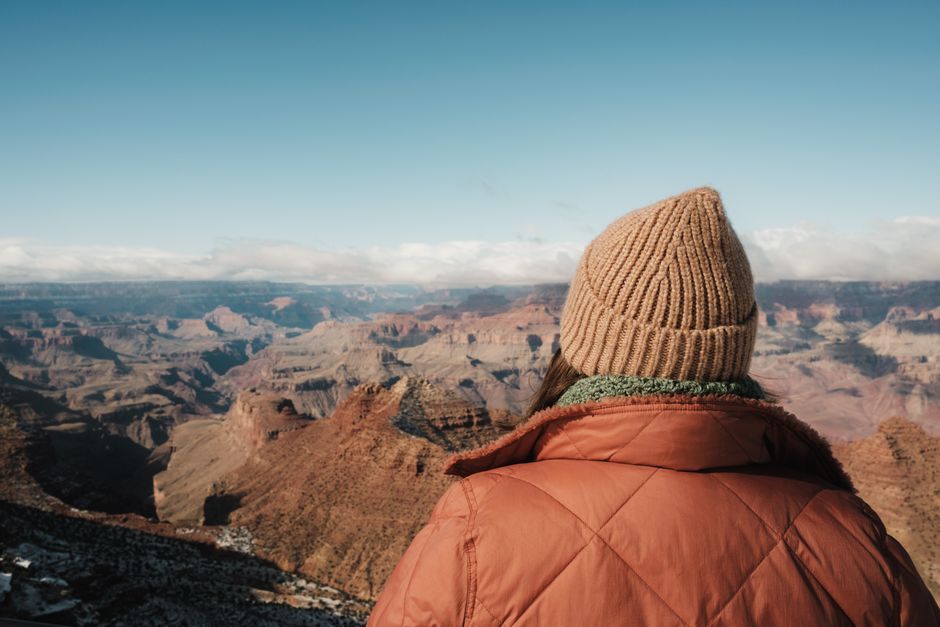
Most packing lists for Patagonia winter are written by people who have never been there. They tell you to bring a heavy parka, four pairs of jeans, and a “just in case” dress. That’s how you end up dragging a 50-pound bag through wind gusts that knock you sideways.
Patagonia winter (June–August) is cold, but it’s a specific kind of cold. Dry, windy, and wildly variable. One day you’re hiking in a t-shirt at 50°F. The next day you’re in a whiteout at 20°F with 50 mph gusts. Your packing list needs to handle both extremes without weighing you down.
This is the list I’ve used for three winter trips to Torres del Paine and El Chaltén. It fits in a 40-liter backpack. No checked bag. No regrets.
The Core Problem: Why Most People Overpack for Patagonia Winter
The mistake is thinking you need one heavy jacket for everything. You don’t. You need a layering system that you can adjust in 30 seconds.
Here’s what actually happens on a typical winter day in Patagonia:
- 7 AM: 28°F, calm, clear skies. You need a base layer, mid layer, and shell.
- 10 AM: 40°F, sun blazing, wind picks up. You shed the mid layer.
- 2 PM: 35°F, sudden rain/sleet/hail. Shell goes back on.
- 5 PM: 25°F, wind gusting to 45 mph. Everything goes back on.
If your bag is full of cotton hoodies and a single heavy parka, you can’t adapt. You’ll either sweat through your base layer or freeze because you can’t add a mid layer under a tight shell.
The solution is three layers, each doing one job well. No overlaps. No extras.
Base Layer: Merino Wool, Not Synthetic
I use two Icebreaker 200 Oasis tops (men’s and women’s versions available, $80 each). Merino wool handles odor way better than synthetic. After 5 days of hiking, my Icebreaker top still smells fine. My synthetic Patagonia Capilene starts smelling after one day.
Merino also regulates temperature better. When you’re hiking uphill and start sweating, it doesn’t trap heat. When you stop and the wind hits, it doesn’t freeze you.
Wash one in a sink with Dr. Bronner’s soap every 4-5 days. Let it dry overnight. Rotate with the other.
Mid Layer: One Fleece, One Puffy, Not Both at Once
Bring a Patagonia R1 fleece ($139) and a Mountain Hardwear Ghost Whisperer hooded down jacket ($325). The fleece is for active days. The puffy is for camp, refugios, and rest stops.
Do not wear both at the same time unless it’s below 15°F and you’re standing still. The fleece breathes. The puffy traps heat. Together they’re overkill for 95% of conditions.
Outer Shell: Waterproof + Windproof, Not Just Water Resistant
Get a shell with taped seams and a helmet-compatible hood. I use the Arc’teryx Beta AR ($700). Expensive, but worth it. The hood fits over a beanie and cinches down so wind can’t get in. The pit zips let me dump heat without taking the jacket off.
A cheaper option that works: Outdoor Research Foray ($249). It’s not as durable but it’s fully waterproof and has good ventilation.
Footwear: The Single Most Common Failure Point
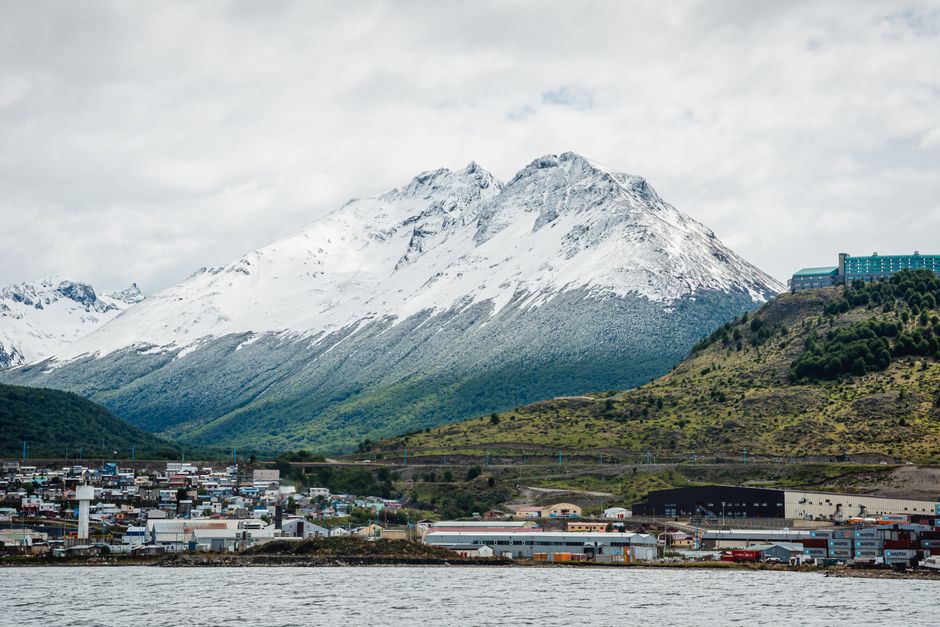
Wet feet in Patagonia winter is not an inconvenience. It’s a safety risk. Hypothermia sets in fast when your feet are cold and wet.
I’ve seen people try to get away with trail runners and thin socks. They end up buying overpriced rubber boots in Puerto Natales. Don’t be that person.
Boots: I wear Keen Targhee III Mid WP ($170). They’re waterproof, have good ankle support, and the toe box is wide enough for thick socks. They’re not the lightest boot (about 2.2 lbs per pair), but for winter conditions, weight is less important than keeping your feet dry.
Socks: Bring three pairs of Smartwool PhD Ski Medium ($25 each). They’re thick, cushioned, and have a reinforced heel and toe. Wash one pair every 3-4 days. Let them dry overnight. Rotate.
Crampons/microspikes: The Kahtoola Microspikes ($70) are mandatory for trails like the French Valley or Laguna de los Tres in winter. Ice forms on the trails even when there’s no snow. Without them, you’ll slip on hard-packed ice and risk a twisted ankle or worse.
What to Wear on the Plane (and Why It Matters)
Your plane outfit is not a fashion choice. It’s your backup gear if your bag gets lost. And bags get lost in Punta Arenas and El Calafate all the time.
Wear your bulkiest items on the plane. This saves space in your bag and ensures you have critical gear if your bag arrives a day late.
On the plane, wear:
- Your hiking boots (they’re heavy, wear them)
- Your down puffy jacket (stuffed into a compression sack in the overhead bin, then worn on the flight)
- Your beanie and gloves (they don’t count as carry-on weight)
- A merino base layer top
Everything else goes in your carry-on. Checked bags are for things you can survive without for 48 hours: extra socks, backup shirt, toiletries.
Gear That Most Lists Forget (But You’ll Need)
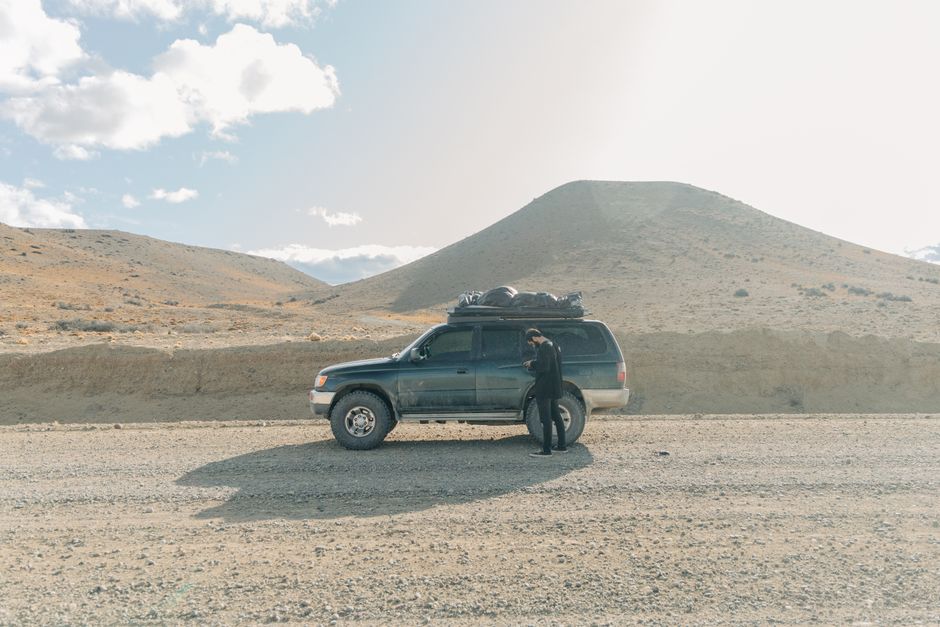
These are the items that save your trip. They’re small. They’re light. They’re not optional.
| Item | Why You Need It | My Pick |
|---|---|---|
| Sun protection | The ozone layer is thin here. You burn in 20 minutes even when it’s cloudy. | SPF 50+ sunscreen (Neutrogena Ultra Sheer) + lip balm with SPF 30 |
| Waterproof gloves | Wet gloves in 30°F wind = immediate hand numbness. | Outdoor Research Alti Gloves ($89) |
| Neck gaiter/buff | Protects your face from windburn. Doubles as a beanie liner. | Buff Merino Wool ($35) |
| Dry bags for electronics | Rain can soak through a backpack in 10 minutes. | Sea to Summit Ultra-Sil 8L ($20) |
| Headlamp | Sunset is around 5 PM in winter. You’ll be hiking in the dark. | Black Diamond Spot 400 ($50) |
Final Verdict: The Complete Packing List in Under 18 lbs
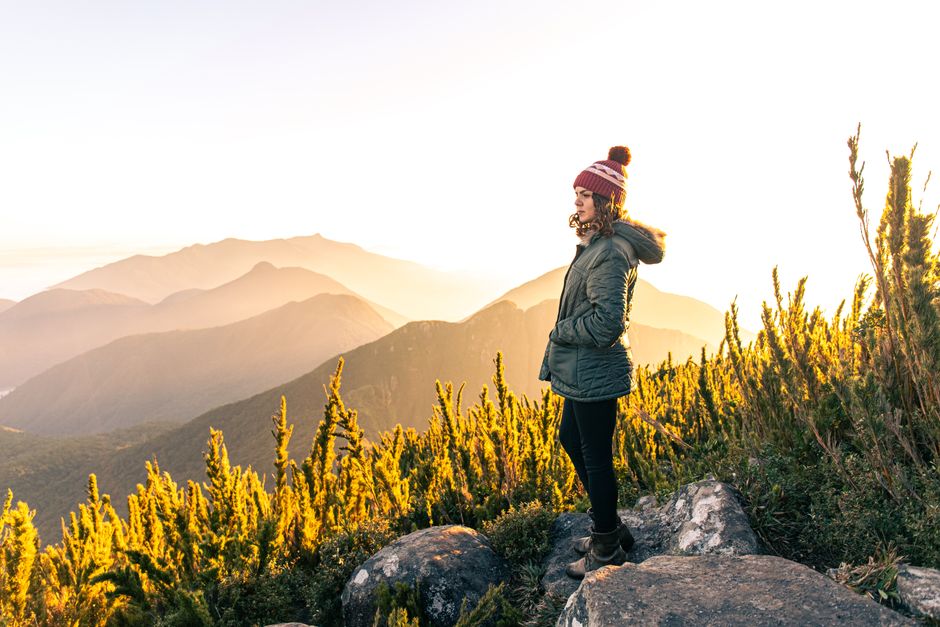
Here’s exactly what goes in my 40-liter Osprey Farpoint 40 ($200). Total weight: 17.5 lbs including the bag.
Clothing (wear on plane: boots, puffy, beanie, gloves, base layer top):
- 2 Icebreaker 200 Oasis tops (one worn, one packed)
- 1 Icebreaker 200 Oasis bottoms (sleeping or under hiking pants)
- 1 Patagonia R1 fleece
- 1 Mountain Hardwear Ghost Whisperer down jacket (worn on plane)
- 1 Arc’teryx Beta AR shell
- 1 pair hiking pants (Prana Stretch Zion, $89)
- 1 pair lightweight leggings for sleeping
- 3 Smartwool PhD Ski Medium socks
- 1 pair waterproof gloves (worn on plane)
- 1 Buff merino neck gaiter (worn on plane)
- 1 beanie (worn on plane)
- 1 pair long underwear bottoms
Gear:
- Kahtoola Microspikes
- Black Diamond Spot 400 headlamp
- Sea to Summit Ultra-Sil 8L dry bag
- Neutrogena Ultra Sheer SPF 50+
- Lip balm SPF 30
- Dr. Bronner’s soap (small travel bottle)
- Toothbrush, toothpaste, floss
- First aid kit (small: ibuprofen, bandaids, blister pads, antiseptic wipes)
- Water bottle (Nalgene 1L, $15)
- Phone + charging cable + small power bank (Anker 10,000 mAh, $26)
- Passport + photocopies + cash (Chilean pesos and Argentine pesos)
That’s it. No jeans. No cotton t-shirts. No “just in case” dress. No extra pair of shoes. You don’t need them.
Patagonia winter is harsh but simple. The wind strips away the unnecessary. Pack the same way.