Kyoto Hidden Gems Itinerary: Kyoto Hidden Gems: A 5-Day Itinerary for Curious Travelers
Kyoto draws millions of visitors each year. Most of them head straight to Kinkaku-ji, Fushimi Inari, and the Arashiyama Bamboo Grove. Those are beautiful places, but they are also packed with selfie sticks and bus tours. This itinerary is for travelers who want the quieter, stranger, more personal side of Kyoto — the mossy gardens, the local soba shops, the temples where you might be the only visitor. This is not a legal contract or guarantee of experience — conditions change, and some spots require advance booking. Consult official sources for current hours and fees.
Why Most Kyoto Itineraries Fail (and How This One Fixes It)
The standard Kyoto itinerary assumes you want to see everything. You do not. You want to feel something.
Most guides pack 8 to 10 temples per day. That leads to temple burnout by lunch on day two. By day three, you are staring at a 14th-century rock garden and thinking about lunch instead of enlightenment.
This itinerary is built around three principles:
- One major site per morning — arrive at opening time, leave before the crowds peak at 10:30 AM.
- Afternoons for wandering — no fixed schedule. You explore a neighborhood, find a local cafe, sit in a garden.
- Evenings for food and culture — reserved dinner spots, a hidden bar, a night temple illumination.
The failure mode here is trying to do too much. This itinerary gives you roughly 3 to 4 hours of structured activity per day. The rest is open. That is intentional. The hidden gems of Kyoto are not on a checklist — they are found when you have time to get lost.
Daily Breakdown: Where to Go and When
Below is the exact schedule. Times are estimates based on walking speed and typical wait times. Adjust for your own pace and the season — summer heat in Kyoto is brutal, so shift outdoor activities to early morning or late afternoon.
| Day | Morning (7:00–11:30) | Afternoon (12:00–16:00) | Evening (17:00–21:00) |
|---|---|---|---|
| 1 | Ryoan-ji (rock garden) + Ninna-ji (5 temples, 1 ticket) | Kita-ji Manju (local sweet shop) + Kinkaku-ji (quick visit, leave by 10:30) | Pontocho alley dinner + sake tasting at a standing bar |
| 2 | Fushimi Inari (lower section only, hike to the first viewpoint then turn back) | Tofuku-ji (zen garden, almost empty) + Sennyu-ji (imperial mausoleums) | Nishiki Market evening food crawl (starts at 5 PM) |
| 3 | Philosopher’s Path (south to north, start at Nanzen-ji) | Eikando (autumn leaves or moss garden) + Honen-in (tiny, silent temple) | Gion corner (geisha district, evening walk only, no photos of geisha) |
| 4 | Arashiyama (Bamboo Grove at 7:00 AM, then Okochi Sanso garden) | Jojakko-ji (steep hillside temple, few tourists) + Gio-ji (moss garden) | Kaiseki dinner at a 1-star Michelin restaurant (book 3 months ahead) |
| 5 | Ohara village (30 min bus north — Sanzen-in temple, moss gardens, rural Japan) | Return to Kyoto, visit the Kyoto Railway Museum (train nerds only) or free afternoon | Departure or final dinner at a hole-in-the-wall ramen shop |
Key insight: Day 5 is the real hidden gem. Ohara is a 30-minute bus ride from Kyoto Station. Most tourists never go there. Sanzen-in temple has a moss garden that rivals Saiho-ji (the famous moss temple) without the ¥4,000 entry fee and advance reservation requirement. Entry is ¥700.
Three Hidden Gems Most Tourists Miss
These are not in the standard guidebooks. They are the spots locals recommend when you ask nicely.
Honen-in Temple (Day 3 afternoon)
Located on the Philosopher’s Path, Honen-in is easy to walk past. The entrance is a small wooden gate covered in moss. Inside, the main hall is open to the air. You sit on the wooden steps and look at a garden that has not changed in 300 years. No photos allowed inside. That is the point. You just sit. Free entry.
Kita-ji Manju (Day 1 afternoon)
A family-run sweet shop near Ryoan-ji that has been making manju (steamed buns filled with sweet bean paste) since 1892. They sell only one thing. It costs ¥150 per piece. They make them fresh every morning and stop when they run out, usually by 2 PM. Go early.
Gio-ji Temple (Day 4 afternoon)
A tiny temple in Arashiyama that most people miss because it is a 10-minute walk off the main path. The moss garden here is spectacular — green, damp, quiet. The temple tells the story of a Heian-era love triangle that ended with two women becoming nuns. Entry is ¥500. You will likely be the only person there.
Common Mistakes That Ruin a Kyoto Trip
These are the errors I see travelers make repeatedly. Avoid them and your trip will be smoother.
- Buying a JR Pass for Kyoto-only travel. The JR Pass costs ¥50,000 for 7 days. Kyoto’s subway and bus system costs about ¥1,500 per day. Do the math. Buy a prepaid Icoca card (¥2,000) instead.
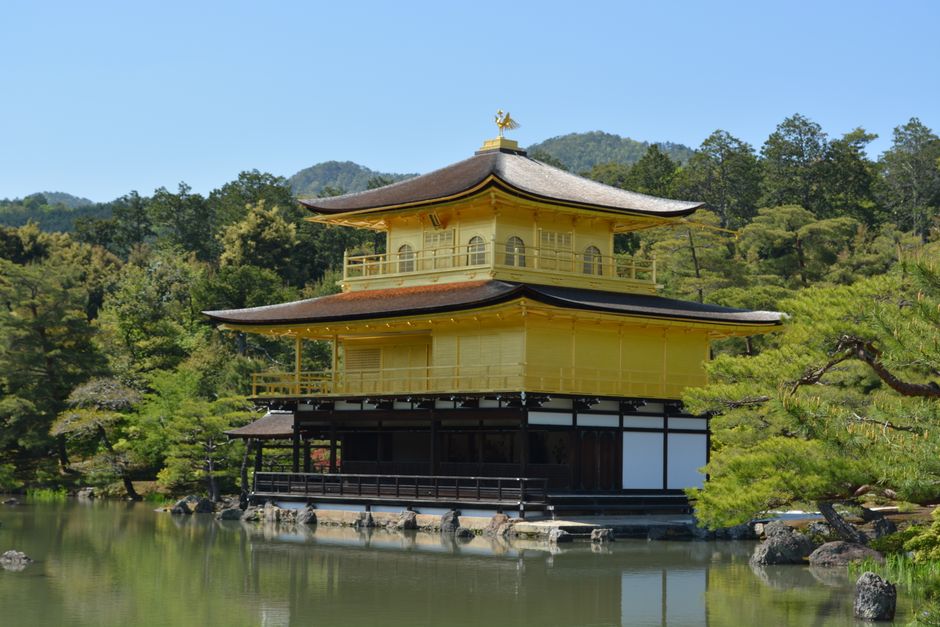
- Going to Kinkaku-ji at noon. The golden pavilion is beautiful. It is also surrounded by 200 people taking the same photo. Go at 8:00 AM when it opens. You get 15 minutes of peace before the buses arrive.
- Eating near tourist sites. Restaurants within 200 meters of a major temple charge double and serve mediocre food. Walk 3 blocks away. Look for a place with a handwritten menu in Japanese only. That is where locals eat.
- Wearing shoes you cannot remove quickly. You will take your shoes off at least 5 times per day at temples. Slip-on shoes or sandals save minutes per day. Lace-up boots are a mistake.
- Assuming everything is open. Many small temples close on random weekdays. Check Google Maps or the official website the morning of your visit. I wasted a morning on a closed temple in Ohara. Check first.
Budget Breakdown: What This Itinerary Actually Costs
This budget assumes one person, mid-range choices, and no luxury shopping. Prices in Japanese yen (JPY). As of early 2026, ¥100 ≈ $0.67 USD.
| Category | Daily Cost (JPY) | 5-Day Total (JPY) | Notes |
|---|---|---|---|
| Accommodation (business hotel) | ¥8,000 | ¥40,000 | APA Hotel or similar, single room |
| Food (3 meals + snacks) | ¥4,500 | ¥22,500 | Includes one kaiseki dinner at ¥12,000 |
| Transport (bus/subway) | ¥1,500 | ¥7,500 | Icoca card, includes bus to Ohara |
| Temple entry fees | ¥1,200 | ¥6,000 | Average ¥500 per temple, 12 temples |
| Misc (water, snacks, souvenirs) | ¥1,000 | ¥5,000 | Includes ¥150 manju |
| Total | ¥16,200 | ¥81,000 | ~$540 USD |
Where to save: Stay at a hostel (¥3,500/night) and skip the kaiseki dinner. That drops the total to about ¥55,000 ($370 USD). Where to splurge: A ryokan with an onsen (¥25,000/night) and a private garden tour guide (¥30,000 for half a day).
When This Itinerary Does Not Work
This itinerary is not for everyone. Here are three situations where you should pick a different plan.
You are traveling with children under 10. The walking distances are too long. Day 3 alone involves about 8 km of walking on the Philosopher’s Path. Kids will be exhausted by lunch. Instead, focus on the Kyoto Zoo, the Railway Museum, and the Toei Movie Village.
You want to see every UNESCO site. This itinerary skips Kiyomizu-dera (scaffolding until 2027 for renovations), Nijo Castle (interesting but crowded), and the Kyoto Imperial Palace (requires a guided tour that books weeks ahead). If your goal is to check off the UNESCO list, use a standard guidebook itinerary instead.
You have mobility issues. Kyoto is not wheelchair-friendly. Many temples have stone steps, uneven paths, and no ramps. The Ohara village visit (Day 5) involves a steep uphill walk to Sanzen-in. If stairs are a problem, stick to flat areas like the Nishiki Market, the Kyoto Station area, and the riverbanks near Shijo-dori.
Final verdict: This 5-day itinerary works best for solo travelers or couples who are comfortable walking 10,000 to 15,000 steps per day, who value quiet moments over photo opportunities, and who want to eat like locals rather than tourists. If that describes you, this plan will show you a Kyoto most visitors never see.