Street Food Safety Asia: Street Food Safety in Asia: How to Eat Local Delicacies Without Getting Sick
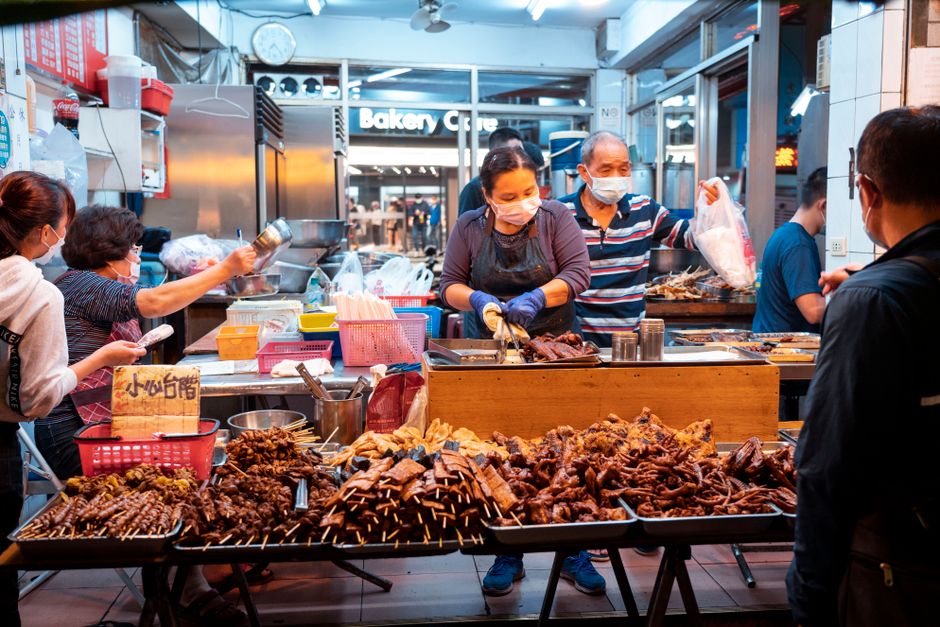
The most important rule of street food safety in Asia is this: eat where the locals queue. A stall with a constant line of local customers has a high turnover of ingredients, which means food sits out for minutes, not hours. That single observation eliminates roughly 70% of the risk before you even look at the food.
This guide covers the specific vendor checks, dish choices, and timing rules that experienced travelers use to eat street food across Asia without getting sick. No vague advice. Just actionable steps.
How to Choose a Safe Street Food Stall in Under 30 Seconds
You can assess a stall’s safety in less than half a minute by looking at three things: crowd volume, ingredient storage, and cooking temperature.
The Queue Test
Count the people waiting. If there are at least 5-8 locals in line during a normal meal time (not a special festival), the food is likely safe. High volume means ingredients are replenished constantly. A stall with no customers at 1:00 PM in a busy market district is a red flag.
Ingredient Storage Check
Look at how raw ingredients are stored. Meat and seafood should be on ice or in a chilled display case, not sitting at room temperature. Vegetables should look crisp, not wilted. If you see flies landing on the raw chicken, walk away.
Cooking Temperature Observation
Watch the cook for 10 seconds. The food should be cooked to order, not sitting under a heat lamp. Fried items should be dropped into hot oil when you order them. Grilled meats should be turned regularly, not sitting on a cold grill. If the cook uses the same tongs for raw and cooked food without washing them, that is a hygiene failure.
Verdict: For first-time street eaters in Bangkok, start with stalls near the Or Tor Kor Market or the Yaowarat Road (Chinatown) night market. These areas have high regulatory oversight and vendor competition, which pushes quality up.
The Safest Street Food Dishes to Start With (and 3 to Avoid)
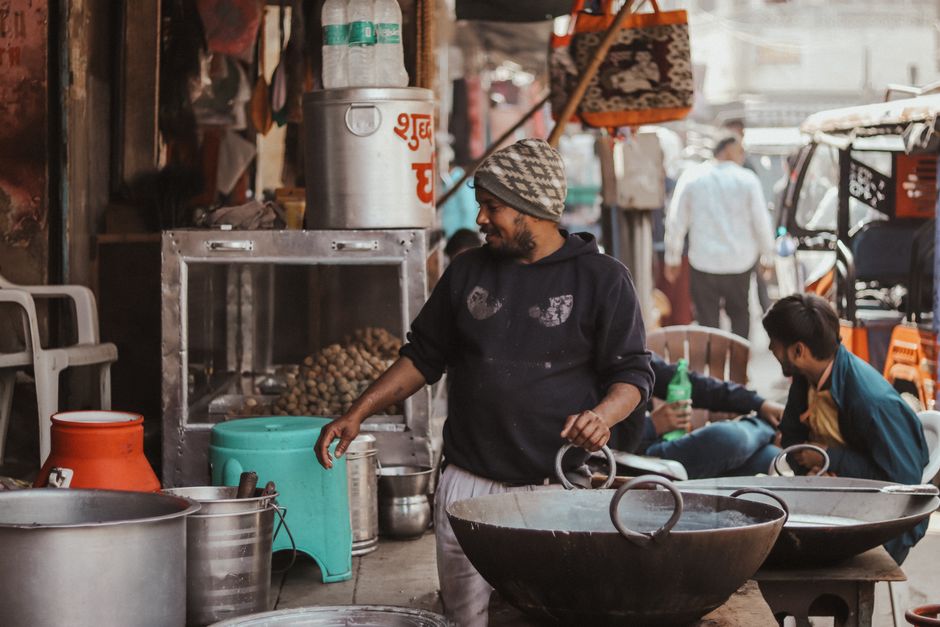
Not all street food carries the same risk. Some cooking methods kill bacteria more reliably than others.
| Dish Type | Safety Rating | Why | Best Example City |
|---|---|---|---|
| Deep-fried items (spring rolls, tempura, fried chicken) | Very High | Oil temperature exceeds 175°C (350°F) — kills most pathogens | Bangkok, Tokyo |
| Grilled skewers (satay, yakitori) | High | Direct flame heat; order well-done | Singapore, Kuala Lumpur |
| Steamed buns (bao, dim sum) | High | Steam heat penetrates thoroughly; filling is cooked | Hong Kong, Taipei |
| Noodle soups (pho, ramen, laksa) | Moderate | Broth is boiling hot, but raw herbs and bean sprouts added after cooking carry risk | Hanoi, Ho Chi Minh City |
| Raw or fermented dishes (som tam with raw crab, fermented fish sauce salads) | Low | No heat treatment; bacteria and parasites survive | Avoid unless you know the vendor |
| Ice-based drinks and shaved ice desserts | Low | Ice may be made from tap water; machines rarely cleaned | Avoid from street stalls; buy bottled drinks |
Verdict: For your first street food meal in Asia, order a deep-fried item from a busy stall. The heat kills bacteria, and the high turnover means the oil is fresh.
When NOT to Eat Street Food — The Timing Factor
This section is short but critical. Timing matters more than most travelers realize.
Do not eat street food between 2:00 PM and 5:00 PM in most tropical Asian cities. Here is why: lunch rush ends around 1:30 PM. The food that remains has been sitting out for hours at ambient temperatures of 30-35°C (86-95°F). Bacteria double every 20 minutes at those temperatures. A stall that was safe at noon can be hazardous by 3:00 PM. Eat during peak meal times (11:30 AM-1:30 PM and 6:00 PM-9:00 PM) when turnover is highest.
Verdict: Plan your street food eating around local meal rushes. If you are hungry at 3:30 PM, buy a sealed packaged snack from a 7-Eleven instead.
Three Common Mistakes That Cause Traveler’s Diarrhea (and How to Avoid Them)
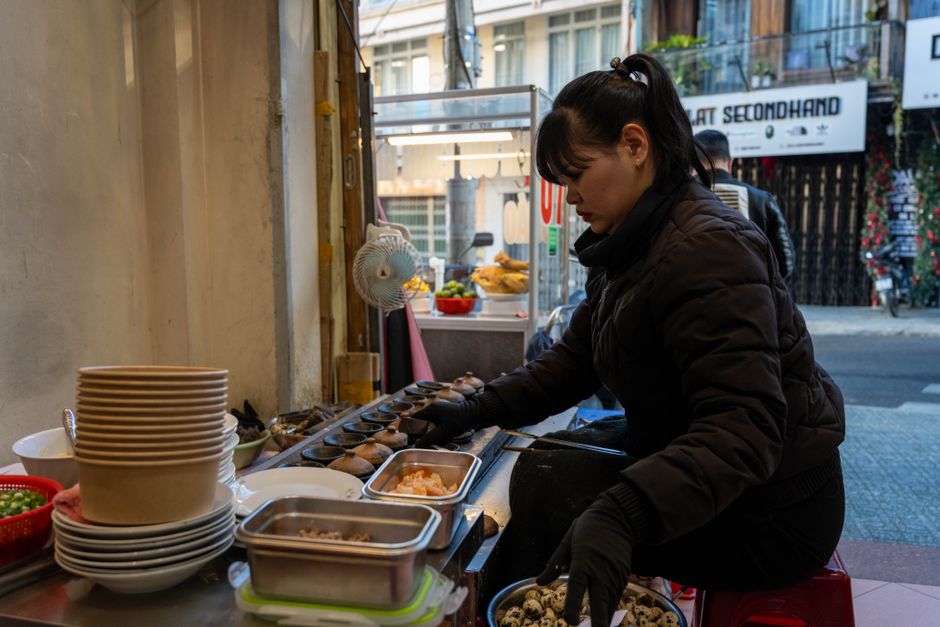
Most cases of food poisoning from street food are not caused by the food itself. They are caused by three specific mistakes travelers make.
- Using the stall’s re-usable餐具 (chopsticks, spoons, cups) without checking cleanliness. Many stalls wash utensils in a single bucket of cold water with no soap. Carry your own lightweight titanium chopsticks (like the Toaks Titanium Spork, 18g, $15) or use disposable wooden chopsticks that come sealed in paper.
- Touching the food with unwashed hands. You touch money, then touch the food. Money carries bacteria. Use the provided tongs or ask the vendor to wrap your food. Carry a Travelon hand sanitizer spray (62% alcohol, 50ml) and use it before every meal.
- Drinking tap water or ice made from tap water. Even in high-end restaurants in some Asian cities, tap water is not safe. Stick to bottled water. For ice, ask if it is “made from filtered water” — if the vendor hesitates, skip it. In Thailand, look for stalls that use block ice from 7-Eleven (clear, cylindrical ice), which is made from filtered water.
Verdict: The single most effective habit is carrying your own eating utensils. It eliminates the most common contamination vector.
How to Handle an Upset Stomach Without Ruining Your Trip
Even with precautions, your gut may react to new bacteria strains. This is not necessarily food poisoning — it is your microbiome adjusting. Here is the protocol.
First 2 hours: Do not eat anything. Drink only bottled water with Oral Rehydration Salts (ORS) — buy sachets from any pharmacy before your trip. Brands like DripDrop ORS (8g packets, $6 for 6) or Hydralyte (effervescent tablets, $8 for 20) work well. Mix with 500ml bottled water.
After 4 hours with no vomiting: Eat plain white rice or plain congee (rice porridge). Both are available at almost any Asian street food stall. Avoid dairy, spice, and oil for 24 hours.
When to see a doctor: If you have bloody diarrhea, a fever above 38.5°C (101.3°F), or cannot keep fluids down for 12 hours, go to a clinic. Most major Asian cities have international clinics. In Bangkok, Bumrungrad International Hospital has an English-speaking travel medicine department. In Singapore, Raffles Medical has clinics throughout the city.
Verdict: Pack ORS sachets before you leave. They are cheap, light, and prevent the most dangerous complication of food poisoning: dehydration.
Street Food Safety Comparison: Bangkok vs. Singapore vs. Hanoi
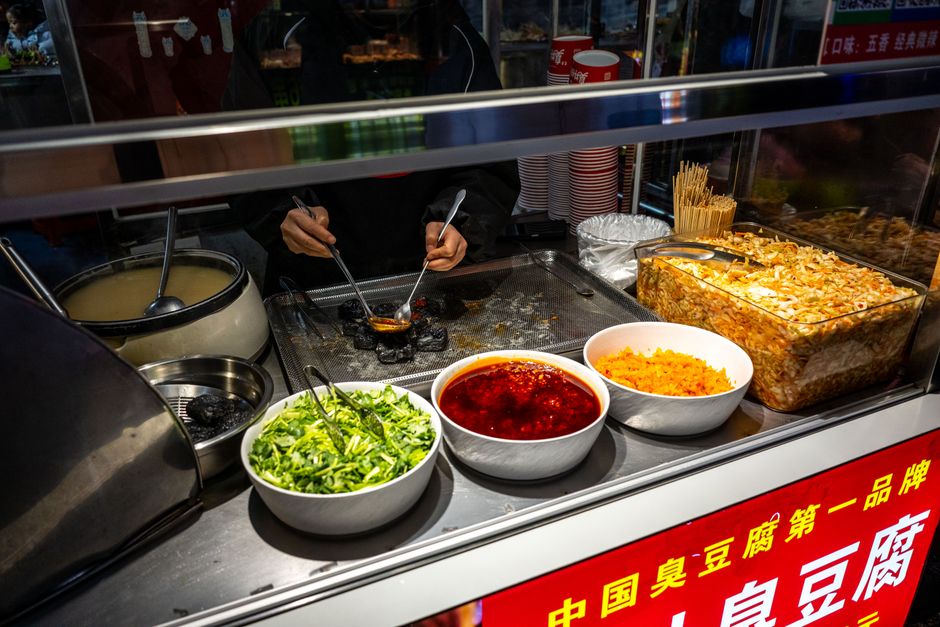
Different Asian cities have different regulatory environments and food handling standards. Here is a quick comparison.
| City | Overall Safety | Best Strategy | Dish to Try First | Dish to Avoid |
|---|---|---|---|---|
| Singapore | Highest — strict NEA hygiene grading (A, B, C, D visible on stall) | Look for A or B grade stickers; all hawker centers have running water and wash stations | Hainanese chicken rice (Tian Tian Hainanese Chicken Rice at Maxwell Food Centre) | Raw oyster omelet (or see if the stall has high turnover) |
| Bangkok | High — street food culture is regulated, but enforcement varies | Eat at stalls with a Michelin Bib Gourmand or Plate (many are affordable street stalls) | Pad Thai from Thip Samai (Bib Gourmand, $3) | Som tam with raw crab from unknown stalls |
| Hanoi | Moderate — many stalls lack running water; ice quality varies | Watch for a “boiled water” sign (nước đun sôi) — means the stall boils its own water for drinks | Pho from Pho Thin (13 Lo Duc Street, $2) | Bun rieu (crab noodle soup) from stalls without visible boiling broth |
Verdict: If you are nervous about street food, start your trip in Singapore. The hygiene grading system removes guesswork. Then work your way up to Bangkok and Hanoi as your confidence grows.