Hidden Gems In Portugal: Portugal’s Best Kept Secrets: 10 Underrated Spots to Visit Instead of Lisbon or Porto
You book a flight to Portugal expecting charming cobblestone streets, pastel buildings, and affordable seafood. What you get instead is a selfie stick to the face at every viewpoint, a 45-minute wait for a table at lunch, and an Airbnb that costs more than your London flat.
Lisbon and Porto are great. They’re also overcrowded, overpriced, and increasingly same-same. The real Portugal — where locals still wave at strangers, a coffee costs €1.20, and you can hear yourself think — is elsewhere.
Here are 10 places that deliver the Portugal experience without the queues. All prices and travel times checked for 2026.
1. Évora: A Roman City Inside Medieval Walls
Évora sits 90 minutes east of Lisbon by bus (Rede Expressos, €12 one-way). Most tourists skip it because it’s not on the coast. Their loss.
The city is a UNESCO World Heritage site with a Roman temple still standing in the main square. Not a reconstruction — the actual thing, built in the 1st century AD. Entry to the temple grounds costs €2.50.
Skip the tourist restaurants on Praça do Giraldo. Walk two blocks north to Taberna Típica Quarta-Feira. A full meal with local wine runs €15-18 per person. The owner will likely pour you a glass of something he made himself.
What to do in Évora on a budget
- Capela dos Ossos (Chapel of Bones) — €5 entry. A chapel lined with the skulls and femurs of 5,000 monks. Morbid, unique, and takes 20 minutes.
- Évora Cathedral — €4.50. Climb the roof for views across the Alentejo plains. No queue.
- Free walking tour — Daily at 11am from the main square. Tip what you think it’s worth.
2. Serra da Estrela: Portugal’s Only Ski Resort (Sort Of)
Everyone assumes Portugal is all beaches. The Serra da Estrela mountain range hits 1,993 meters at its highest point. In winter, there’s actual snow. In summer, hiking trails that see maybe a dozen people a day.
The main town, Manteigas, has a population of 3,000. Accommodation runs €40-60 per night in a clean guesthouse. The local cheese — Queijo da Serra — is worth the trip alone. A 200g wheel costs €4 at the town market.
The ski resort itself (Vodafone Ski Resort) has 4 slopes and 3 lifts. A day pass costs €18 in 2026. Compare that to €60+ in the Alps. The snow isn’t guaranteed, so check webcams before driving up.
When NOT to go: August. The hiking is fine, but the town gets busy with Portuguese holidaymakers. Go in June or September instead.
3. Aveiro: The “Venice of Portugal” Without the Price Tag
Aveiro has canals, colorful boats (moliceiros), and Art Nouveau buildings. What it doesn’t have is €8 coffees or pickpockets. A 30-minute moliceiro cruise costs €8. In Venice, a gondola ride starts at €80.
The city sits 1 hour south of Porto by train (Comboios de Portugal, €8.50). The train station itself is covered in azulejo tiles depicting local fishing scenes — worth a photo stop.
Eat at O Bairro for grilled fish. A whole sea bass with vegetables and a drink runs €14. The staff speak English but appreciate you trying Portuguese. Just say “obrigado” and they’ll warm up fast.
Budget breakdown for a day in Aveiro
| Item | Cost (€) |
|---|---|
| Train from Porto (round trip) | 17 |
| Moliceiro cruise | 8 |
| Lunch at O Bairro | 14 |
| Coffee and pastel de nata | 2.50 |
| Museu de Aveiro entry | 4 |
| Total | 45.50 |
4. Óbidos: A Walled Medieval Town You Can Walk in 20 Minutes
Óbidos is small. Really small. The entire town sits inside a castle wall, and you can walk from one gate to the other in under 20 minutes. That’s the point.
No cars inside the walls. No chain hotels. Just narrow alleys, whitewashed houses with bougainvillea, and a castle that’s now a pousada (luxury hotel, but you can visit the grounds for free).
The town’s specialty is Ginjinha — sour cherry liqueur served in a chocolate cup. One cup costs €2.50 from any bar along the main street. Buy one, walk, finish, repeat.
Óbidos gets busy between 11am and 3pm when day-trippers arrive from Lisbon (1 hour by bus, €10). Stay overnight at Casa do Relógio (€55/night) and you’ll have the empty streets to yourself after 5pm.
5. Braga: Portugal’s Religious Heart (and Best Food Scene)
Braga is often called the “Portuguese Rome” because of its 30+ churches. What the guidebooks don’t tell you is that its food scene rivals Porto at half the price.
The Bom Jesus do Monte sanctuary is a 116-meter staircase with chapels at each landing. The view from the top is free. The funicular (€1.50) is one of the oldest in the world still running — it uses a water counterweight system, not electricity.
For food, go to Taberna Belga. The owner, a Belgian who moved to Braga 20 years ago, serves Portuguese dishes with a twist. The bacalhau à brás (codfish with potatoes and eggs) costs €12. It’s the best version I’ve eaten in Portugal, including in Lisbon.
Train from Porto: 50 minutes, €3.50.
6. The Algarve’s West Coast: Where Tourists Don’t Go
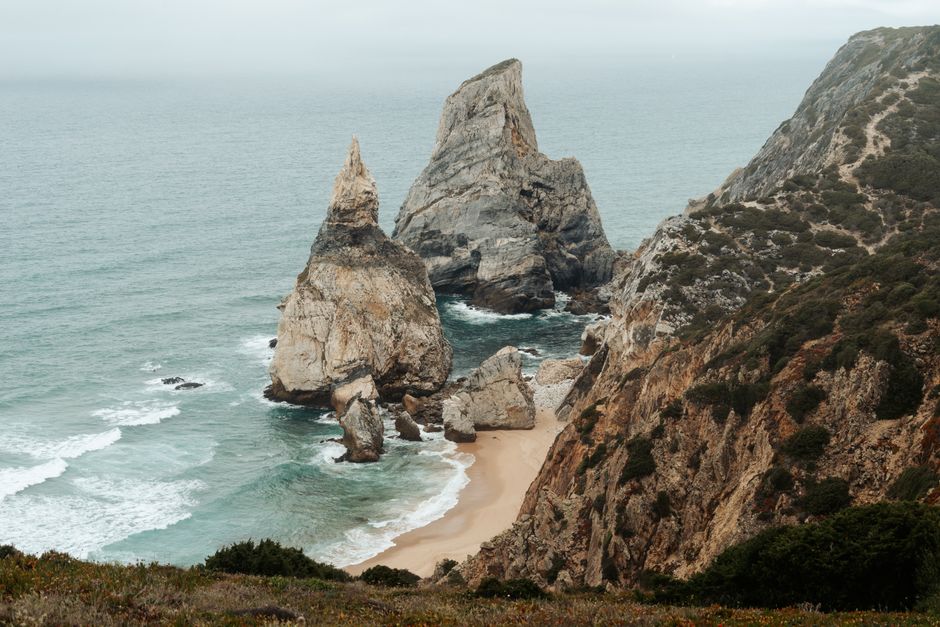
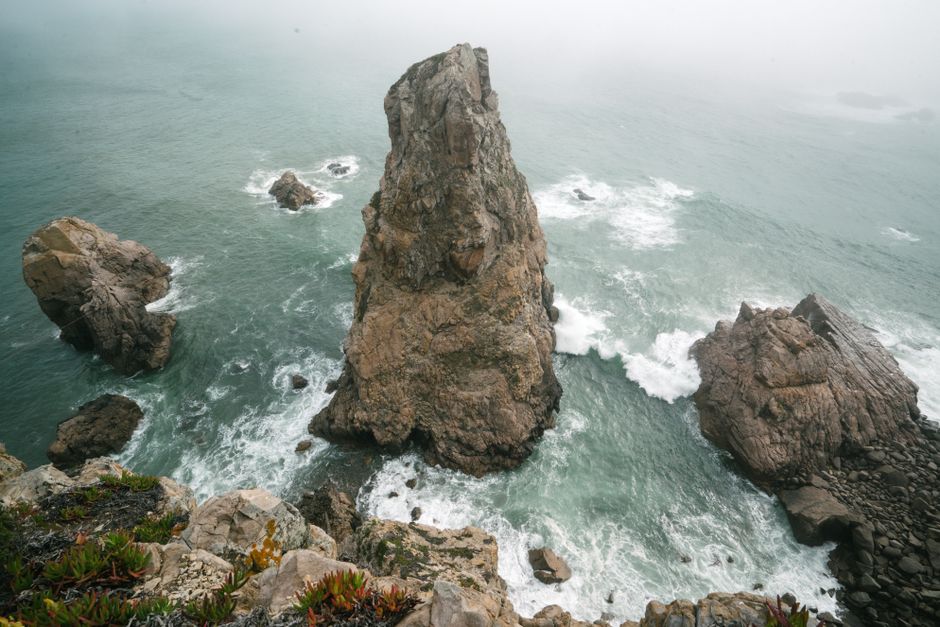
Most tourists cram into Albufeira, Lagos, and Faro. The west coast of the Algarve — from Sagres up to Odeceixe — is a different world. Fewer resorts, more surf, and empty beaches that stretch for miles.
Sagres is the main base. It’s a surf town with a fortress that overlooks the Atlantic. Accommodation at Sagres Surf Camp runs €25/night for a dorm bed, €50 for a private room. Breakfast included.
Drive 20 minutes north to Praia do Beliche. It’s a cove surrounded by cliffs. In July, you might share it with 20 people. Lagos’s main beach has 200.
Bus from Faro to Sagres takes 2 hours, costs €12. The last bus back to Faro leaves at 7pm, so plan your return or stay a few days.
7. Coimbra: The City That Lisbon Used to Be
Coimbra was Portugal’s capital until 1255. Now it’s a university town with a student population that makes up 25% of the city. The energy is young, the prices are low, and the nightlife is genuine — not staged for tourists.
The University of Coimbra (founded 1290) is a UNESCO site. The Joanina Library holds 60,000 books, some from the 16th century. Entry costs €7. Book tickets online — same-day slots sell out by noon.
Eat at Zé Manel dos Ossos. The walls are covered in student graffiti. The menu changes daily. A three-course meal with wine costs €15. Cash only.
Train from Lisbon: 1.5 hours, €10.50.
8. Douro Valley: Wine Country Without the Wine Tour Prices
The Douro Valley is famous for port wine. The organized tours from Porto cost €80-120 per person and herd you through three vineyards in a bus with 40 other people.
Do it yourself. Take the train from Porto to Pinhão (2 hours, €10). The line runs along the river — the scenery is the attraction. Once in Pinhão, walk to any of the small vineyards on the hillside. Quinta do Seixo (Sandeman) does tastings for €15 that include five wines. No booking needed on weekdays.
Stay at Casa do Visconde de Chanceleiros (€70/night). It’s a restored 18th-century manor with a pool overlooking the valley. The owner gives a free port wine talk at 6pm every day.
9. Madeira: The Island That’s More Than Funchal
Madeira gets a bad rap as a destination for elderly British tourists. That’s true if you stay in Funchal. The rest of the island is a hiker’s paradise with landscapes that look like Jurassic Park.
Rent a car from Madeira Rent (€25/day for a small manual, book 2 weeks ahead). Drive the ER101 road along the north coast. The cliffs drop straight into the Atlantic. Stop at Seixal for a black sand beach and natural swimming pools carved into the volcanic rock. Free entry.
The Levada das 25 Fontes hike is 4.6km each way, moderate difficulty, and ends at a waterfall. Start before 9am to avoid the tour groups. Bring a flashlight — part of the trail goes through a tunnel.
Flights from Lisbon to Madeira start at €40 one-way with Ryanair or TAP. Book 6 weeks out for the best price.
10. The Azores: The Most Underrated Region in Europe
The Azores are nine islands in the middle of the Atlantic. São Miguel is the most accessible, with direct flights from Lisbon (2 hours, €50-80 one-way).
The main draw is Sete Cidades — a twin lake in a volcanic crater. One side is blue, the other green. The viewpoint at Vista do Rei is free and empty by 10am if you arrive early.
Food is cheap. A fresh tuna steak at Restaurante Mariserra in Ponta Delgada costs €10. The local cheese — Queijo São Jorge — is sharp and crumbly, €3 per block at the market.
Biggest mistake: Trying to visit multiple islands in one trip. Inter-island flights cost €60-100 each and schedules are unreliable. Pick one island and spend 5-7 days exploring it properly.
When to Skip These Places (Honest Advice)
Not every hidden gem works for every traveler. Here’s the straight talk.
Skip Évora if you hate heat. The Alentejo region hits 40°C in July and August. Go in April or October instead.
Skip Serra da Estrela if you need guaranteed snow. The ski resort is small and relies on natural snowfall. Check conditions before booking.
Skip the Azores if you only have 3 days. By the time you factor in travel time and jet lag (the islands are 2 time zones west of mainland Portugal), you’ll spend more time in transit than exploring.
Skip Madeira if you can’t drive stick. Automatic rentals are rare and cost 40% more. The mountain roads are narrow and winding — a manual car is the norm.
Skip Óbidos if you want nightlife. The town shuts down by 10pm. Bring a book.
My pick: For a first-time visitor who wants the real Portugal without the crowds, start with Évora and the Douro Valley. Two regions, completely different experiences, and combined cost less than a week in Lisbon. You’ll eat better, sleep cheaper, and actually remember what you saw.