Airbnb Vs Boutique Hotels Family Stays Italy 2026: Airbnb vs. Boutique Hotels for Family Stays in Italy (2026): A Buyer’s Guide
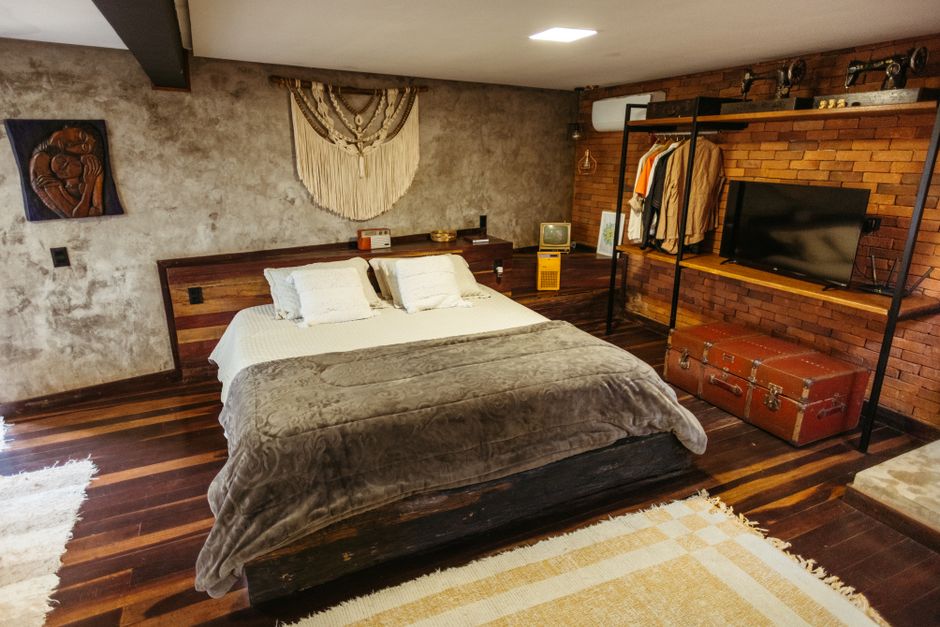
Common misconception: booking an Airbnb in Italy is always cheaper for families. In many cases, it isn’t. A boutique hotel with a family suite and included breakfast can actually cost less per night than a two-bedroom flat in central Florence after cleaning fees and service charges. This guide breaks down the real differences between Airbnb and boutique hotels for family stays in Italy in 2026. We cover space, cost, kitchen access, cancellation policies, and local regulations. This is not legal advice — consult a licensed attorney regarding specific rental agreements or visa requirements.
Space and Layout: Why a Flat Often Beats a Single Hotel Room
For a family of four or five, a single hotel room is cramped. Two connecting rooms at a boutique hotel in Rome can run €400–€600 per night. An entire apartment on Airbnb typically offers separate bedrooms, a living area, and a kitchen. That extra square footage matters when someone needs a nap or the kids want to watch cartoons while adults relax.
Airbnb advantage in practice: A two-bedroom apartment near the Pantheon (€250/night in shoulder season) gives you 80 square meters. A boutique hotel suite with two rooms at a similar location costs €500+. Spread over 7 nights, that difference is €1,750.
Boutique hotel advantage: The hotel provides daily housekeeping, a concierge who can book museum tickets, and often a rooftop terrace. You don’t spend holiday time making beds or washing dishes. For a family that values service over space, the hotel wins.
When the Hotel Layout Works Better
Some boutique hotels now offer family suites with a separate kids’ bunk room. Hotel Palazzo Guadagni in Florence has a family suite with two bedrooms for €380/night. That competes directly with an Airbnb flat. The hotel also includes a buffet breakfast with pastries and fresh fruit — something an Airbnb cannot provide without extra cost.
When the Airbnb Layout Is Non-Negotiable
If you have a toddler who needs a separate dark room for naps, or a teenager who demands privacy, the single-hotel-room layout fails. An Airbnb with two bedrooms and a living room solves this. The cost savings on meals from a kitchen also add up: cooking breakfast and three dinners saves roughly €50–€80 per day for a family of four.
Cost Comparison: What You Actually Pay (2026 Prices)
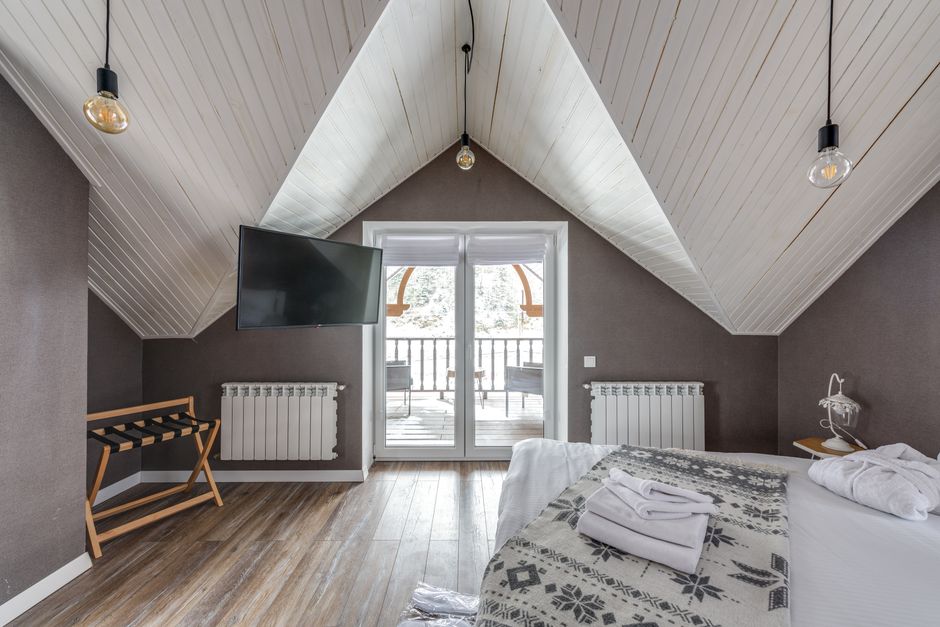
Price is the most common reason families choose Airbnb. But the headline nightly rate is misleading. Here is a real comparison for a 7-night stay in central Florence, June 2026, for a family of four.
| Category | Airbnb (2-bed apartment) | Boutique Hotel (2 rooms or family suite) |
|---|---|---|
| Nightly rate | €220 | €350 |
| Cleaning fee | €120 (one-time) | €0 |
| Service fee | €70 | €0 |
| Breakfast (7 days, 4 people) | €0 (you cook) | €0 (included) |
| Total | €1,730 | €2,450 |
| Savings with Airbnb | €720 | |
That €720 difference is real. But subtract the cost of groceries for cooking (about €150 for the week), and the net savings drop to €570. For many families, that is still enough for a nice dinner or two.
Hidden costs on Airbnb: Some hosts now charge extra for late check-in (€20–€50), extra guests beyond 4, or use of the washing machine. Always read the entire listing before booking. Boutique hotels rarely add surprise fees after booking.
Cancellation Policies and Flexibility: The Hotel Wins
Flight changes, illness, or a sudden work conflict can derail a family trip. Airbnb cancellation policies vary wildly by host. A “Strict” policy means you lose 50% if you cancel 7 days before check-in. A “Moderate” policy gives a full refund up to 5 days before. But even then, the Airbnb service fee is often non-refundable.
Boutique hotels typically offer better terms. Most Italian boutique hotels allow free cancellation up to 24–48 hours before arrival. Some, like Hotel Artemide in Rome, offer a “Flexible Rate” that lets you cancel same-day with no penalty. That peace of mind matters when traveling with children who get sick unexpectedly.
Airbnb’s recent policy change (2026): Airbnb now offers a “Book with Confidence” option on select listings, allowing cancellation for any reason up to 24 hours before check-in. But it adds 10–15% to the booking cost. Compare that to a hotel’s flexible rate, which is usually only 5–10% above the non-refundable rate.
Verdict: If your dates are firm and you have travel insurance, Airbnb is fine. If you want maximum flexibility for a trip with young kids, book a boutique hotel with a free-cancellation rate.
Kitchen Access: The Real Game Changer for Families
A kitchen is the single biggest advantage of an Airbnb for family travelers. You can prepare meals for picky eaters, store leftovers, and make coffee without leaving the apartment. This is not a small convenience — it can save €20–€30 per meal for a family of four.
What you actually get: Most Italian Airbnbs come with a stove, refrigerator, and basic cookware. But not all have a microwave, dishwasher, or enough plates for six. Check the photos carefully. Some hosts provide olive oil, salt, and pasta — a nice touch that saves you a grocery run.
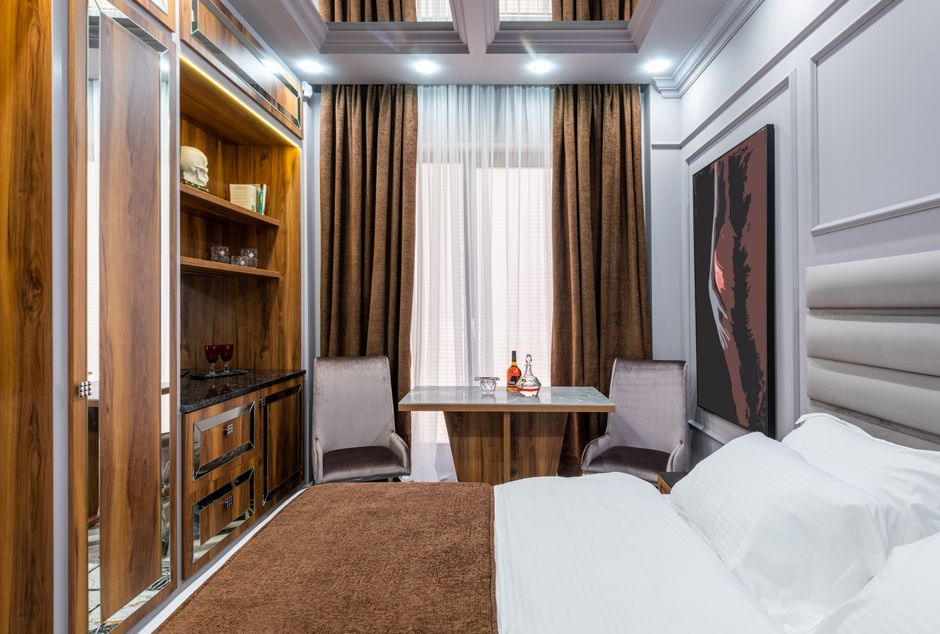
Boutique hotel workaround: Many boutique hotels now offer a “kitchenette” in family suites. Hotel Corso in Venice has a family suite with a small kitchenette for €310/night. You get the hotel’s breakfast buffet plus the ability to heat up baby food or make a quick pasta dinner. That hybrid option is worth seeking out.
Failure mode: Booking an Airbnb with a “kitchen” that turns out to be a single hot plate and a mini-fridge. Always message the host and ask: “Is there a full oven, a stove with 4 burners, and a refrigerator with a freezer compartment?” If the answer is vague, move on.
Local Regulations and Safety: What Changed for 2026
Italy has tightened short-term rental regulations significantly. In 2026, the government mandated that all Airbnb hosts register with a national database and display a unique identification code (CIN) on their listing. Without this code, the rental is illegal. In 2026, enforcement is stricter — guests who stay in unregistered properties can face fines if discovered.
Boutique hotels are fully regulated. They meet fire safety codes, have 24-hour front desk staff, and carry liability insurance. If something goes wrong — a broken lock, a gas leak, or a theft — the hotel has protocols. An Airbnb host may be unreachable or unwilling to help.
Safety for families: Boutique hotels typically have security cameras in common areas, keycard access, and staff who can call emergency services. Airbnb apartments in old Italian buildings may have narrow staircases, no elevator, and windows without guards. If you have a toddler, request a ground-floor or elevator-accessible unit.
Verdict: For peace of mind, especially in a foreign country, a boutique hotel is safer. For a budget-conscious family that vets the host and checks the CIN code, an Airbnb can work. Always verify the registration code before paying.
Single most important takeaway: For a family stay in Italy in 2026, book an Airbnb if you need a kitchen and separate bedrooms to save money, but choose a boutique hotel if you value flexibility, safety, and service — the hotel is almost always the safer bet for first-time visitors.