6 Layers for Coastal Winter Walks With Lighter Packs
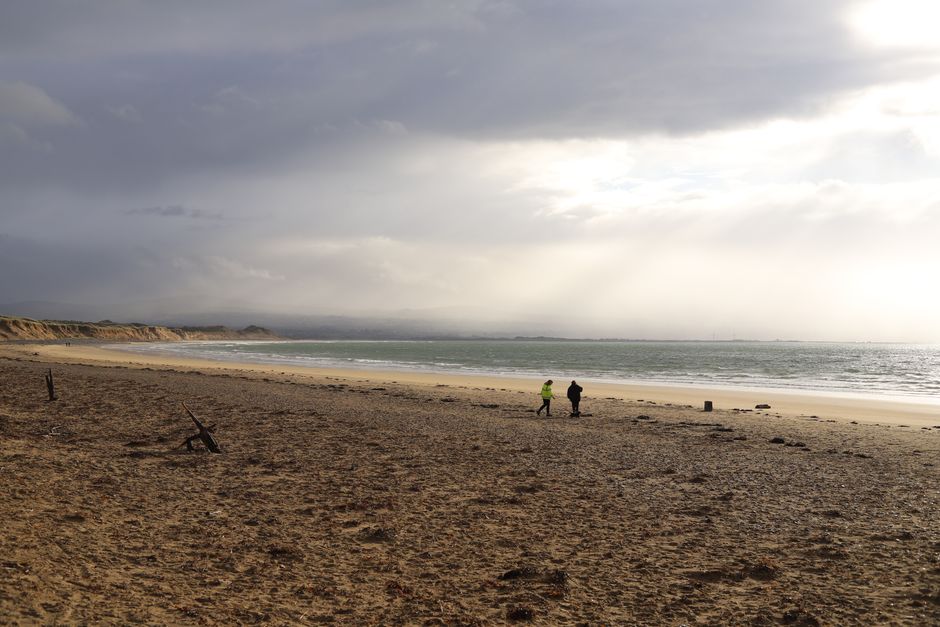
The common misconception is that cold coastal walks require a thick sweater, a heavy coat, and several backup layers. Most walkers need a better system, not more clothing. Wind, damp air, changing exertion, and exposed paths create a heat-management problem. A compact set of layers usually handles those conditions better than one bulky jacket. No state law is discussed here. This is not legal advice — consult a licensed attorney.
How to Choose Layers by Weather
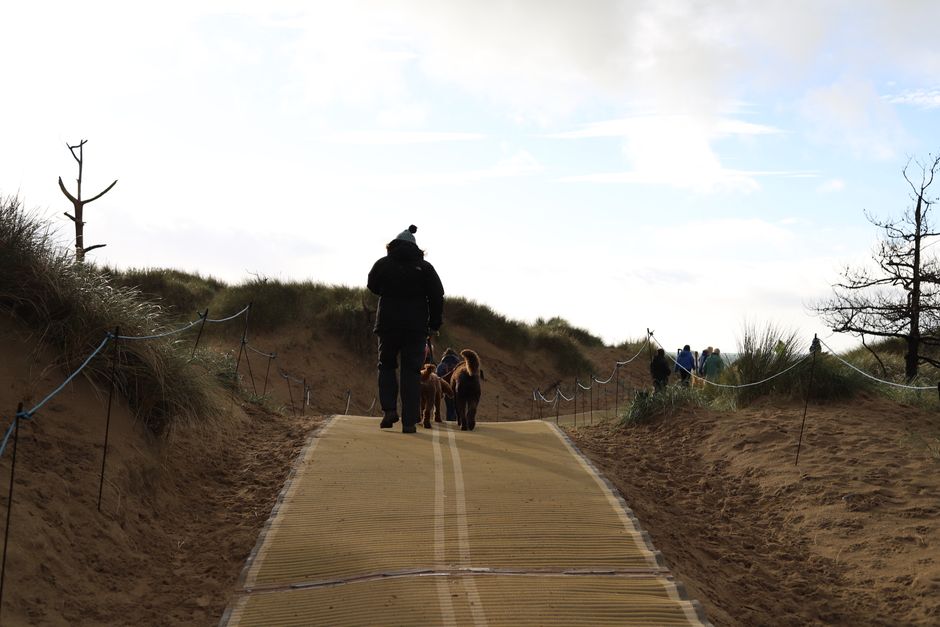
Use temperature, wind, and effort together
A forecast temperature by itself is a weak packing guide. For a brisk walk around 8°C with light wind, a long-sleeve base layer and breathable fleece may be enough. At 5°C with a steady coastal wind, add a wind-resistant shell and keep a compact insulated jacket in the pack for stops. Around 0°C, especially on an exposed cliff path, plan for a base layer, midlayer, protective shell, and separate insulation. These are starting points, not guarantees; shade, humidity, pace, and personal cold tolerance change the result.
Match the layer to the activity
Fast walking creates more sweat than slow sightseeing. If your route includes steep steps, choose ventilation and a zipper before extra insulation. If it includes long photo stops, a warm jacket matters more than a slightly lighter fleece. Test the system at home by wearing every piece while climbing stairs for ten minutes, then standing still near an open window. If your back is damp before the walk begins, the system is too warm or poorly ventilated. If your hands and torso cool within five minutes of stopping, the pack needs more insulation, not another thin shirt.
Best Three-Piece Systems for Coastal Winter Walks
The table below uses U.S. reference prices and published garment weights checked in 2026. Sale pricing, color availability, and regional prices change, so treat the figures as buying benchmarks rather than fixed promises.
What the weights mean in a real pack
The Smartwool, Patagonia, and Arc’teryx pieces together weigh about 978 g before adding the down jacket. That sounds substantial, but the system replaces a heavy winter coat and gives you better control while walking. The Patagonia fleece is the clearest value: it weighs less than 300 g, dries quickly, and costs less than half the Gamma Lightweight Hoody. For most travelers, the Patagonia fleece plus a reliable rain shell is the sensible core purchase.
The clear winner for a compact travel kit
For travelers who want one strong combination, choose the Smartwool base layer, Patagonia R1 Air, and Outdoor Research Helium Down Hoodie, then add a waterproof shell if rain is likely. The Arc’teryx Gamma Lightweight Hoody wins when wind resistance and abrasion protection matter more than price, but it is not a complete rain jacket. That distinction prevents an expensive mistake.
Which Layer Earns Space in Your Bag?
My recommendation is to spend pack space on versatility before maximum warmth. A coastal walk rarely stays at one temperature for the entire day, so the best item is often the piece that works across several situations. The product choice should follow the layer’s job, not its marketing category.
Choose merino when repeat wear matters
The Smartwool Classic Thermal Merino Base Layer Crew is the strongest choice for a trip with several walking days and limited laundry. Its 250 g/m² fabric provides more warmth than a thin summer base layer, while merino typically handles odor better than polyester during repeated wear. It is not the fastest-drying option, and it can feel slower to dry after a hard, sweaty climb. Do not buy it as your only layer for wet, high-output walks. Choose it when comfort, temperature control, and rewearing the same shirt matter most.
Choose synthetic fleece for active miles
The Patagonia R1 Air Fleece Midlayer Crewneck is the better pick for travelers who walk quickly or carry a backpack. Its 278 g weight, hollow-core recycled polyester fabric, quick-drying behavior, and offset shoulder seams make it practical under pack straps. It is not a windproof garment, so wearing it alone on an exposed coast can leave you cold. Its clear verdict is strong: for active walking in dry or breezy conditions, the R1 Air is the best value midlayer in this group.
Reserve down for stops and low-output time
The Outdoor Research Helium Down Hoodie earns space when the route includes viewpoints, transport waits, or long lunch breaks. Its 800-fill insulation and 437 g weight provide more warmth per gram than a second fleece, and the hood and shoulder overlays add protection in brief damp conditions. Down still loses performance when soaked, and the jacket does not replace a waterproof shell. For cold coastal stops, it is the best dedicated insulation here; for nonstop wet walking, buy a synthetic insulated jacket instead.
Packing Mistakes That Make Coastal Walks Colder
Five errors to remove before departure
- Starting too warm: A thick coat at the trailhead can cause sweat before the first hill. Begin slightly cool and add warmth after ten minutes if needed.
- Counting a hoodie as weather protection: Cotton and ordinary fleece do little against steady wind or rain. Carry a real shell when the forecast calls for exposure.
- Bringing duplicate midlayers: Two similar fleeces add bulk without covering a new condition. Replace one with rain protection or stop insulation.
- Ignoring the hood and hem: Wind enters through the neck, wrists, and waist. Adjustable closures often matter more than a small increase in fabric thickness.
- Testing only while moving: A system that works uphill may fail beside the sea at sunset. Practice the change from walking to standing still before the trip.
When not to buy another technical layer
Do not buy a premium softshell simply because the fabric sounds advanced. If your existing fleece fits under a rain shell and your cold-weather jacket packs into a small space, the missing item may be a dry spare base layer, gloves, or a hat. Those accessories often solve comfort problems more cheaply than replacing an entire clothing system.
When a three-piece system is not enough
Choose a more protective setup for freezing rain, sustained storms, strong winds, or routes far from shelter. A lightweight shell can tear on rough rock, and a thin down jacket is a poor choice when rain will continue for hours. In those conditions, carry waterproof trousers, warmer hand protection, and insulation that still works when damp. Light packing has limits; it should reduce duplication, not remove safety margins.
Coastal Winter Walk Layer Questions
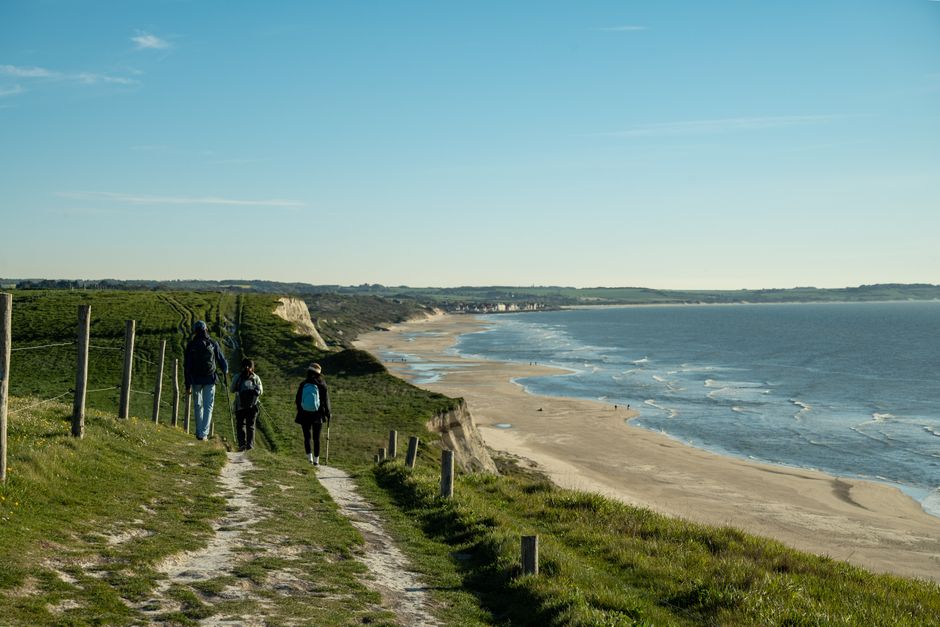
Is one base layer enough for a full day?
Usually, yes, if the base layer dries overnight and you are carrying a clean spare for emergencies. For a long travel day, the Smartwool Classic Thermal Merino Base Layer Crew is the better single-shirt choice because its 250 g/m² merino fabric manages temperature and odor well. For high-output walking in persistent rain, pack a synthetic spare instead. The correct decision depends on drying access, not on a general claim that one fiber always wins.
Should a fleece or puffy jacket be the main warm layer?
Use the Patagonia R1 Air Fleece as the main active warm layer when you are walking steadily. Use the Outdoor Research Helium Down Hoodie as the main stop layer when you expect long pauses or cold transport connections. The puffy is warmer for its weight, but the fleece is easier to wear while moving and handles moisture better. That division gives each garment a clear job.
Can a softshell replace a waterproof jacket?
No. The Arc’teryx Gamma Lightweight Hoody is a strong wind-resistant layer with a 350 g published weight, but its design does not make it a substitute for a waterproof shell in sustained rain. Buy it for dry, windy routes and abrasion resistance. Skip it if your trips usually involve wet lowland paths and you still need to purchase a rain jacket. As coastal clothing becomes lighter and more modular, the lasting advantage will belong to systems that adapt during the walk rather than coats that try to do every job at once.