February Shoulder-Season Trains: Calm Booking Windows
For many European rail journeys, the calmest booking window is about 6–10 weeks before departure, not the first minute tickets appear. February brings lower demand, but popular Friday trains, school-holiday routes, and sleeper cabins can still disappear quickly. The goal is not to book as early as possible. It is to book when fares, schedules, and your own plans have become clear enough to trust.
When February Train Fares Feel Calmest
February has a useful advantage: demand is uneven. A Tuesday train through central Europe may have empty seats, while a Friday evening service to a ski town sells out days ahead. That makes a single booking rule unreliable. Start with the route, then match your search to the operator’s release pattern.
| Operator and example route | Common release pattern | Illustrative starting fare | Calm booking target |
|---|---|---|---|
| Eurostar, London–Paris | Often opens several months ahead | From about £39 one way | 8–12 weeks ahead |
| SNCF TGV INOUI, Paris–Lyon | Often opens around 3–4 months ahead | From about €16 one way | 6–10 weeks ahead |
| Trenitalia Frecciarossa, Rome–Florence | Often opens around 4 months ahead | From about €19.90 one way | 6–10 weeks ahead |
| Deutsche Bahn ICE, Berlin–Hamburg | Often opens up to 6 months ahead | From about €17.99 one way | 6–12 weeks ahead |
| ÖBB Nightjet, Vienna–Amsterdam | Release dates vary by service | From about €29.90 for limited fares | 10–16 weeks ahead |
These are advertised starting fares, not promises. They depend on the exact date, train, seat type, and remaining inventory. The practical winner for most daytime February trips is the 6–10 week window: enough time to find a low fare, but late enough for the timetable to be stable.
Why the first sale day is not always best
New inventory can appear in waves. An early search may show only expensive flexible tickets because the cheapest fare bucket has not loaded correctly, or because the operator has not finished publishing the full timetable. Check again after 24–72 hours before paying a premium. A fare that looks urgent may simply reflect an incomplete schedule.
Which February dates need earlier action
Book sooner for the Friday before a school break, Sunday returns, ski connections, overnight trains, and routes with only one direct departure. Midweek trains after the first week of February are usually easier. The best calm date is often Tuesday or Wednesday, departing between 10 a.m. and 3 p.m.
The 14-Day Rule Beats Last-Minute Panic
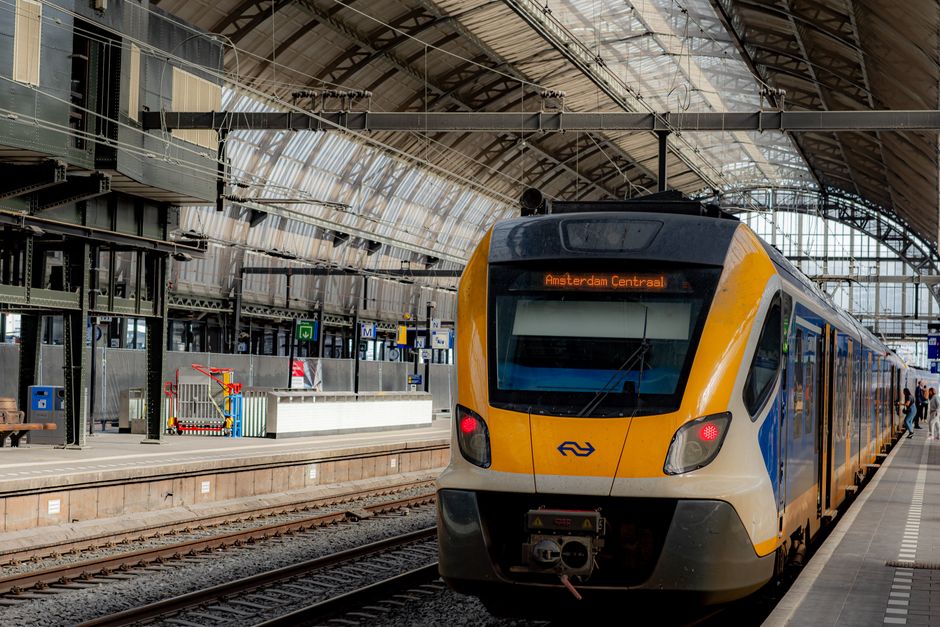
Fourteen days before departure is the decision point: by then, book if the fare fits your budget and schedule, because waiting usually buys little on a popular train and can remove the cheapest ticket class. For a flexible midweek route, waiting until the final week may still work, but that is a calculated gamble, not a strategy. The quietest plan is to set a personal ceiling, such as €45 for a daytime trip or €90 for a long-distance journey, then purchase once a suitable train falls below it. Avoid refreshing every hour; fare systems change in batches, and constant checking creates urgency without adding useful information. If a route has several departures each day, keep one backup time in mind, because the second-best train often costs much less and feels just as comfortable. If there is one direct service, a sleeper berth, or a fixed event at the destination, ignore the 14-day cushion and book inside the earlier 6–10 week window.
How to Choose Your Booking Window
Use this five-step method before opening a booking app. It separates genuine scarcity from the pressure created by a bright red fare label.
- Classify the route. Mark it as frequent daytime, limited daytime, overnight, or seasonal. Frequent routes give you more room to wait. Overnight and seasonal services deserve earlier booking.
- Mark the demand spikes. Check local school holidays, winter festivals, major football matches, ski weekends, and Sunday return traffic. February is quiet only where the calendar is quiet.
- Search three dates. Test your preferred day, the day before, and the day after. A one-day shift can reveal a much lower fare without changing the trip.
- Compare ticket conditions. A €29 restricted fare may be a poor deal if changing plans would cost €40. A €44 semi-flexible fare can be the safer purchase for a trip booked several weeks ahead.
- Set a stop rule. Buy when the fare is below your ceiling, the departure time works, and the ticket conditions match the risk. Do not keep searching for a perfect fare after finding a good one.
This process works because price is only one part of the decision. A cheap ticket on the wrong train can create a missed connection, an expensive taxi, or an overnight stay. The strongest February booking is the lowest sensible total cost, not the smallest number displayed before checkout.
Use a fare ceiling, not a vague feeling
Write down a maximum before searching. For example, allow €35–€55 for a short high-speed journey, €60–€110 for a cross-border day trip, and €90–€180 for a sleeper or long international route. These ranges are planning tools, not fixed market prices. They stop a €20 saving from taking over the whole decision.
Keep one backup train
Save a second departure that arrives at least 60 minutes later than your ideal train. This gives you a realistic alternative if the first fare rises. It also prevents the common mistake of buying a nonrefundable ticket simply because the preferred departure feels irreplaceable.
Where February Train Plans Break
The biggest booking mistakes rarely involve the headline fare. They happen at the edges of the journey, where a cheap train meets a tight connection, a closed station, or a ticket that only works under narrow conditions.
Separate tickets create hidden risk
A low-cost itinerary may combine two separate bookings: one train into a hub and another train onward. If the first service arrives late, the second operator may treat you as a no-show. The railway does not have to protect a connection it did not sell as one journey. Leave at least 60 minutes between separate tickets at a familiar station and 90 minutes at a large international hub. Add more time if you need passport control, a platform change, or a terminal transfer.
Cheap fares can punish a small change
Restricted tickets often lock you to one train. Missing it may mean buying a new ticket at the walk-up price. Flexible tickets cost more because they transfer some of that risk to the operator. For a fixed museum booking or airport connection, flexibility has a clear value. For a quiet Tuesday with many departures, the restricted fare is usually the better choice.
Another failure mode is booking by the wrong date format. European sites commonly display day before month, while some international booking tools show month before day. Read the full date and local departure time before payment. February trains also cross time zones on some international routes, though the ticket normally lists local times for each station.
Do not assume every train has the same luggage policy, onboard power, or seat reservation system. A seat reservation may be automatic on one operator and optional on another. A night train may offer a reclining seat, couchette, and private sleeper at very different prices. The cheapest category is not a bargain if it removes the sleep or storage space you actually need.
My firm rule: never buy a February rail itinerary until you have checked the final arrival time, the change station, the ticket-change fee, and the missed-connection policy. Five minutes of checking can prevent a €150 rescue purchase.
Questions Travelers Ask Before Booking February Trains

Should I book February trains six months ahead?
Only when the journey has a fixed date, limited departures, or a high-risk demand spike. Six months ahead is sensible for a popular sleeper, a Friday before a school holiday, or a trip built around a major event. For an ordinary Tuesday daytime train, that much lead time often adds stress without giving a better practical result. Start watching early, then make the purchase inside the operator’s normal release window.
Are February trains cheaper than January trains?
Not automatically. February can be cheaper after the first winter holiday rush, but ski routes, Valentine’s weekend, and school breaks can lift fares. Compare the exact weekday, not just the month. A Wednesday in late February may cost less than a Monday in early February because demand is spread across more departures.
What if the cheapest fare disappears?
Check nearby departure times and stations before abandoning the trip. A train leaving 45 minutes earlier, or a service from a nearby city with a local connection, may restore the budget. Do not create a risky self-connection just to recover a small saving. The alternative must still allow a realistic transfer and a clear ticket policy.
When should I stop searching?
Stop when the fare is below your ceiling, the arrival time supports your plans, and the ticket rules match your tolerance for change. That is the calm point. The traveler who once refreshed a booking page on the first sale morning can instead choose a sensible February departure, keep a real backup, and let the trip begin before the train leaves the station.