Porter Airlines Carry-On Size Limits and What Gets Gate-Checked
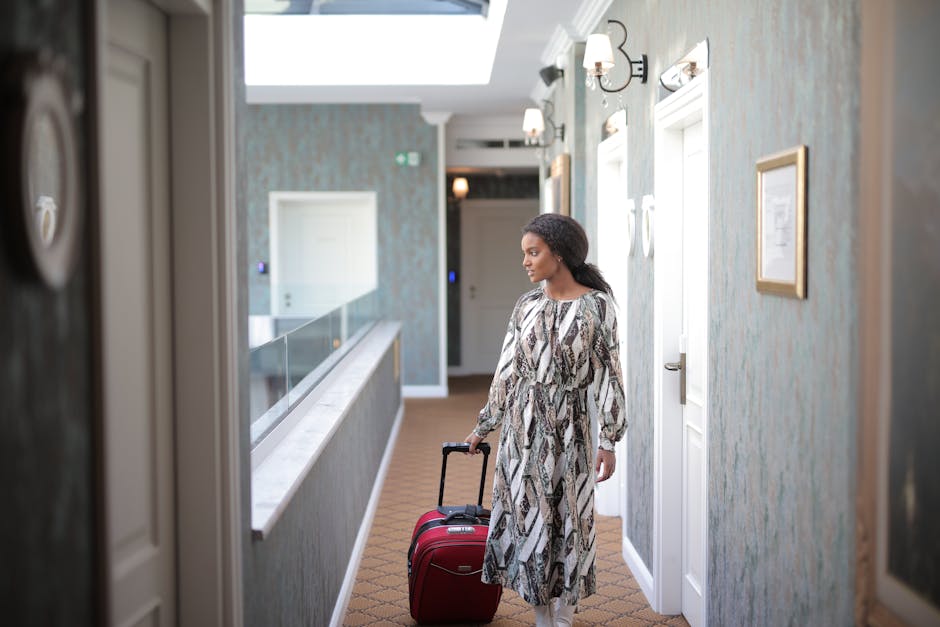
Packing for a Porter flight this week? The carry-on rules are more specific than most travelers expect — and getting them wrong at Billy Bishop or Ottawa Macdonald-Cartier typically means an unexpected fee added right at the gate, plus watching your bag get tagged for the hold while everyone else boards.
Three numbers matter: the dimensions of your carry-on, its weight, and the dimensions of your personal item. Most people check one of the three. This guide covers all of them, plus which bags reliably fit and when checking luggage is genuinely the smarter move.
Porter Airlines Carry-On Dimensions: The Exact Numbers
Porter allows one carry-on bag plus one personal item per passenger. These limits apply across all fare classes — Economy, Freedom, and Business Class — on both the Dash 8 Q400 turboprop fleet and the newer Embraer E195-E2 jets now serving Chicago O’Hare, Newark, and international routes from Toronto Pearson.
| Item Type | Max Dimensions (cm) | Max Dimensions (inches) | Max Weight |
|---|---|---|---|
| Carry-on bag | 23 × 40 × 55 cm | 9 × 16 × 22 in | 10 kg / 22 lb |
| Personal item | 33 × 16 × 43 cm | 13 × 6.5 × 17 in | No stated limit |
| Stroller or car seat | Gate-checked free | — | — |
The 23 × 40 × 55 cm carry-on limit is comparable to Air Transat and slightly stricter than what WestJet enforces on most mainline routes. The reason Porter enforces it more consistently isn’t policy preference — it’s physics. The Q400’s overhead bins are physically narrower than those on an Airbus A320 or Boeing 737. A bag that squeezes in on WestJet won’t fit on a Q400 regardless of what an agent says at check-in.
Does Porter Actually Weigh Carry-On Bags?
Sometimes, yes. At busy Billy Bishop (YTZ) departures — especially the Monday morning YTZ–YOW rush — gate agents weigh bags that look obviously over-stuffed. The 10 kg limit is enforced. A Samsonite Winfield 3 DLX 20-inch hardside weighs 3.4 kg empty, which leaves you 6.6 kg of packing allowance. That covers roughly 5–6 days of clothes, toiletries, shoes, and a laptop. Beyond that, something has to stay home.
How to Measure Your Bag Before You Pack
Measure the full external dimensions — length, width, depth — with wheels, handles, and exterior pockets included. Airlines measure the total external footprint, not the interior volume. A roller marketed as a “21-inch carry-on” is measured on its tallest dimension only. If that bag is 28 cm deep, it fails Porter’s 23 cm depth limit regardless of height. Soft-sided bags compress slightly against a gauge; hardside polycarbonate shells do not. Check manufacturer dimensions before buying, then confirm with a tape measure once the bag arrives. Published specs are occasionally optimistic by 1–2 cm per axis.
Personal Items on Porter: Where Most Travelers Get Caught
Porter’s personal item limit — 33 × 16 × 43 cm — is more precisely defined than most airlines publish, and the 16 cm depth restriction is the number that surprises people. Most standard laptop backpacks run 18–22 cm deep. Technically, they’re non-compliant.
In practice, enforcement varies by station. At smaller airports — Fredericton (YFC), Sudbury (YSB), Quebec City (YQB) — agents rarely measure personal items unless they’re visibly absurd. At Toronto Billy Bishop on a packed morning flight, agents pay more attention when every centimeter of under-seat space matters and the gate is already crowded.
The 16 cm depth limit makes more sense when you’re sitting in a Q400 seat and look under the seat in front of you. There’s genuinely less under-seat depth on a turboprop than on an A320. The rule reflects what physically fits, not arbitrary airline policy.
What Consistently Passes as a Porter Personal Item
- Soft canvas tote bags — compress to whatever space is available, no scrutiny
- Osprey Daylite 13L backpack (approx. 43 × 27 × 18 cm, $75 USD) — technically over in depth but soft-sided, passes consistently in practice
- Slim laptop sleeves under 14 inches — no argument at any gate, ever
- Standard handbag or crossbody bag — always permitted, zero agent scrutiny
- Diaper bags — Porter allows these as an additional item beyond the personal item allowance for passengers traveling with infants
The One Personal Item Rule That Changes How You Pack
If your carry-on gets gate-checked because overhead bins are full, your personal item stays with you in the cabin. Always. This is the most important operational fact about flying Porter. Put your laptop, passport, medication, and anything you’d genuinely regret losing in the personal item — not the roller bag. On a full Q400 route to Moncton or Thunder Bay, the roller may end up in the cargo hold even if it’s perfectly within size limits. Your personal item won’t.
Three Reasons Porter Gate-Checks a Carry-On Bag
- The overhead bins are full. The Q400 carries 70 passengers with overhead bin space designed for regional hops, not full carry-on loads. On busy YTZ–YOW routes Monday through Thursday, bins fill before the last boarding group reaches the jet bridge. This is the most common reason for gate checks on Porter — not rule violations, just volume.
- Your bag clearly exceeds the size limit. Gate agents at Billy Bishop sizer-test bags that look oversized. A 26-inch spinner will not pass. The physical gauge is available at most Porter check-in counters and gate areas. If your bag doesn’t fit the gauge, it gets tagged.
- The flight is weight-restricted. Turboprop aircraft operate under tighter payload limits than narrow-body jets. On Q400 routes to smaller cities — Timmins (YTS), Thunder Bay (YQT), North Bay (YYB) — the captain or gate agent occasionally requests voluntary carry-on gate checks to stay within weight limits. This is uncommon but real, and it happens regardless of bag compliance.
Involuntary gate checks — when the airline asks for your bag at the gate because of bin space or weight — are free on Porter. If you choose to add a checked bag at the counter after exceeding your fare’s included allowance, standard fees apply starting around $35 CAD per bag each way on base Economy fares. Freedom and Business Class fares include at least one checked bag free, which changes the math considerably.
How to Pack a Carry-On That Clears Porter’s Limits Every Time
Start with the right bag. If the carry-on isn’t within 23 × 40 × 55 cm including wheels and handles, no packing strategy fixes that. Choose the bag first, then work within it.
Step 1: Pick a bag under 3.5 kg empty. That leaves at least 6.5 kg of packing capacity against Porter’s 10 kg limit. The Travelpro Maxlite 5 weighs only 2.3 kg empty — the lightest option in its size category — giving you nearly 7.7 kg to fill.
Step 2: Use packing cubes consistently. The Eagle Creek Pack-It Specter Cubes (set of 3, around $40 USD) compress soft clothing by 20–30% without vacuum packs. Stack them vertically so you can see each layer without unpacking everything to find a single item.
Step 3: Liquids go in the personal item. Your 1-litre clear bag with 100 ml containers belongs in the personal item, not the roller. CATSA security screening moves faster. More importantly: if the roller gets gate-checked, your toiletries stay onboard with you.
Step 4: Shoes on the bottom, rolled clothes in the middle, flat items on top. Shoes face sole-to-sole at the base. Rolled clothes fill gaps more efficiently than folded. Documents, laptop chargers, and anything you’ll need at the security tray go flat against the top panel.
Step 5: Weigh before you leave home. The Etekcity Digital Luggage Scale costs about $12 and hooks onto any bag handle. Thirty seconds at home prevents a $35+ counter charge at the airport. The 10 kg carry-on limit sounds generous until you’re standing at a bathroom scale holding a stuffed roller and it reads 11.4 kg.
Five Carry-On Bags That Actually Fit Porter’s Requirements
The carry-on market is full of bags marketed as “airline-approved” that don’t fit Porter’s specific 23 × 40 × 55 cm limit. These five do — dimensions verified against manufacturer specifications.
| Bag | Dimensions (cm) | Empty Weight | Price (USD) | Best Use Case |
|---|---|---|---|---|
| Away The Carry-On | 54 × 35 × 23 | 3.7 kg | $295 | Frequent travelers, CATSA-compliant ejectable battery |
| Samsonite Winfield 3 DLX (20 in) | 51 × 35 × 22 | 3.4 kg | $160 | Budget pick, hardside protection at mid-price |
| Travelpro Maxlite 5 (21 in) | 54 × 35 × 21 | 2.3 kg | $130 | Occasional fliers who need maximum packing weight |
| Briggs & Riley Baseline Domestic Carry-On | 55 × 35 × 23 | 3.6 kg | $430 | Business travelers who need wrinkle-free suit packing |
| Rimowa Essential Cabin | 55 × 40 × 20 | 3.9 kg | $700 | Premium buyers, lifetime warranty, flush-wheel design |
The Away The Carry-On is the clearest recommendation for Porter routes specifically. Its hardshell protects against the tighter overhead bins on Q400 aircraft, the dimensions sit comfortably inside Porter’s limits with a few centimeters of buffer, and the built-in USB battery (which must be removed before checking) is CATSA-compliant. For anyone flying Porter six or more times a year, the bag justifies its $295 price by avoiding even a handful of gate-check fees.
The Travelpro Maxlite 5 is the value pick. At 2.3 kg empty and $130, it gives you more usable packing weight than any other bag on this list. The tradeoff: soft-sided nylon scuffs and loses shape faster than polycarbonate or aluminum shells. Buy it for occasional travel. For weekly fliers, the structural wear shows within a year.
The Briggs & Riley Baseline earns its $430 price in one specific situation: business travel requiring a suit jacket. Its CX compression system holds a folded jacket in place without creasing. For Porter’s core business routes — Toronto to Montreal, Ottawa to Halifax — that matters. For leisure travel, the Away does the same job at $135 less.
Carry-On vs. Checked Bag on Porter: When Each Makes Sense
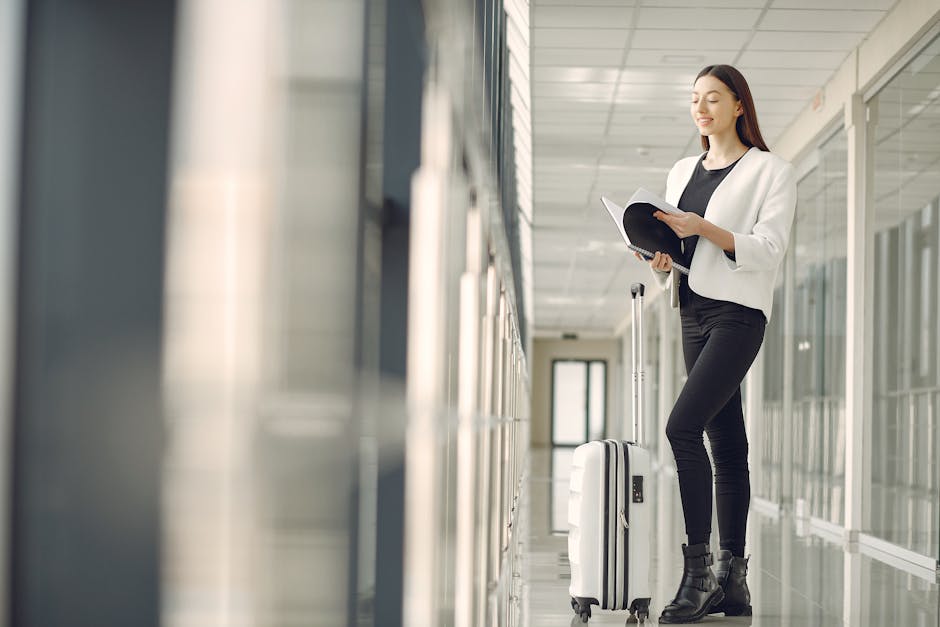
For trips under five days, carry-on is almost always the right call. Porter’s checked bag fees start around $35 CAD each way on base Economy fares — a round trip adds $70 per bag before you’ve bought a coffee at the gate. Carry-on eliminates that cost and cuts your airport time by 20–30 minutes on the back end.
The math shifts on longer trips. Fitting two weeks of clothing, layered weather options, and more than two pairs of shoes into a 10 kg carry-on is theoretically possible but genuinely miserable to execute. At that point, paying $35 each way is cheaper than the decision fatigue of ultra-packing and re-wearing the same shirt four times.
Decision Summary by Trip Type
- 1–4 day business trip: Carry-on only. Away The Carry-On as the roller, laptop bag as the personal item.
- 5–7 day leisure trip: Carry-on if you’re disciplined and the destination has laundry access. Otherwise check the bag.
- 8+ days or international travel: Check the bag. The size and weight constraints don’t scale to long trips without real compromises.
- Beach, ski, or gear-heavy trip: Check the bag. Fins, ski boots, and hiking poles don’t fit in a 55 cm roller.
- Traveling with kids: Carry-on for adults, gate-check the stroller for free. Diaper bag flies as an extra personal item.
- Freedom or Business Class fare: Checked bag included in your ticket — factor that into the decision before defaulting to carry-on only.