Best Time to Visit Queensland by Region and Trip Type

Best Time to Visit Queensland by Region and Trip Type
Queensland isn’t one destination — it’s roughly six, stacked on top of each other. Tropical Cairns runs on completely different timing rules than subtropical Brisbane, and the Whitsundays sits somewhere in between with its own calendar. Getting the timing wrong means snorkelling through murky post-storm water, or arriving at the Gold Coast in 38°C humidity with every hotel at double the price.
Why Queensland Has No Single Best Month
The state stretches from the temperate southeast all the way to the tropics, stopping just short of Papua New Guinea. That’s roughly the same latitudinal span as driving from New York to Miami. No single month works perfectly across every region — which is why most generic “best time to visit Queensland” advice gets people into trouble.
Queensland splits into two fundamentally different climate systems, and you need to know which one you’re visiting before you book anything.
Tropical North Queensland (Cairns to Cape York)
Tropical Queensland — everything roughly north of Townsville, including Cairns, the Daintree, Cape Tribulation, Port Douglas, and Cape York — runs on a hard wet/dry cycle. The wet season runs November through April. Heavy daily afternoon rain, oppressive humidity, genuine cyclone risk (particularly January–March), and Chironex fleckeri box jellyfish (called stingers locally) patrolling the coastal waters. You cannot swim unprotected at most northern beaches from October through May.
The dry season runs May through October. Clear skies, humidity dropping from around 85% to a manageable 55–60%, reef visibility reaching 20–30 metres, and calm seas that allow liveaboard dive boats to reach the Outer Reef consistently. June through August is peak season — Australian school holidays drive July prices up sharply. A standard Cairns resort that runs $150/night in March can hit $280/night in July.
September and October are the hidden sweet spot for the tropical north. Dry season conditions, excellent reef visibility, winds starting to pick up in October (which affects liveaboards but not day trips), and prices 20–30% below the July peak. Most experienced Queensland travelers book September without hesitation.
Southeast Queensland (Brisbane, Gold Coast, Sunshine Coast)
Subtropical, not tropical. This changes everything. Rain falls more evenly through the year rather than in one concentrated monsoon dump. Winters (June–August) are genuinely mild — Brisbane averages 22°C in July with low humidity and near-constant sunshine. The Gold Coast beaches are swimmable year-round. There are no stingers in the surf.
The peak here isn’t the dry season — it’s the Australian summer school holidays from mid-December through late January. That’s when prices spike, theme parks hit capacity queues of two-plus hours, and Surfers Paradise turns into a slow-moving crowd. The actual best months for southeast Queensland are September through November and March through May. Warm water, manageable crowds, and rates that are often 30–40% below the December peak.
Whitsundays and Outback Queensland
The Whitsundays sit in a transitional zone between tropical and subtropical. May through September delivers the calmest sailing conditions and the clearest water at Whitehaven Beach — visibility in the blues and greens of Hill Inlet is genuinely extraordinary in June and July. Avoid December through February if you’re planning a sailing trip; swells and rain make the experience unreliable.
Outback Queensland (Longreach, Mount Isa, Charleville, the Channel Country) is brutal in summer. January temperatures routinely exceed 45°C, and the UV index hits dangerous levels by 9am. Visit between April and September. October starts warming fast — don’t push it.
Month-by-Month Timing Across Queensland’s Main Regions
Use this before booking. The “crowd level” column reflects domestic Australian travel demand, which drives prices more than international tourism does.
| Month | Tropical North (Cairns) | Southeast (Brisbane / Gold Coast) | Whitsundays | Crowd Level |
|---|---|---|---|---|
| January | Heavy rain, stingers, cyclone risk | Hot (30°C+), humid, afternoon storms | Wet, rough seas — avoid sailing | High (Aus summer hols) |
| February | Wettest month, inland roads may close | Hot, humid, some flooding risk | Avoid | Moderate |
| March | Still wet but cheaper — some clear days | Warm, occasional rain, crowds thinning | Transitional — gamble | Low |
| April | Drying out fast, good value, fewer stingers | Ideal: 26°C, low humidity, mild rain | Improving, some good sailing days | Low–Moderate |
| May | Dry season begins — excellent conditions | Comfortable 24°C, low humidity | Good sailing, calm water | Low–Moderate |
| June | Peak dry season, school holidays start | Mild winter (22°C), near zero humidity | Excellent — calm and clear | High (school hols) |
| July | School holidays — most expensive month | Cool evenings (14°C), sunny days | Peak — best visibility, calm seas | Very High |
| August | Dry season, post-school-hols, cheaper | Warming up, still low humidity | Excellent | Moderate–High |
| September | Best value in dry season — highly recommended | Spring, warming quickly to 26°C | Good, winds increasing late month | Moderate |
| October | Pre-wet shoulder — some stingers returning | Warm, excellent beach weather | Windier, rougher — check forecasts | Low–Moderate |
| November | Wet season starts — cheap flights, limited reef | Hot, occasional storms | Wet season risk begins | Low (north), Rising (south) |
| December | Wet, stingers, reef trips often cancelled | Summer school hols begin — crowded | Wet season risk — avoid | Very High (south) |
The Single Biggest Mistake Visitors Make
Booking Cairns in January because the flights are cheap. Stingers make the beach genuinely dangerous, many reef day trips get cancelled due to rough conditions, and some roads inland wash out entirely for days. Those bargain flights carry real hidden costs.
The second mistake is treating Queensland as one destination with one best time. Pick your region first. Then pick your dates.
What the Wet Season in Northern Queensland Actually Delivers
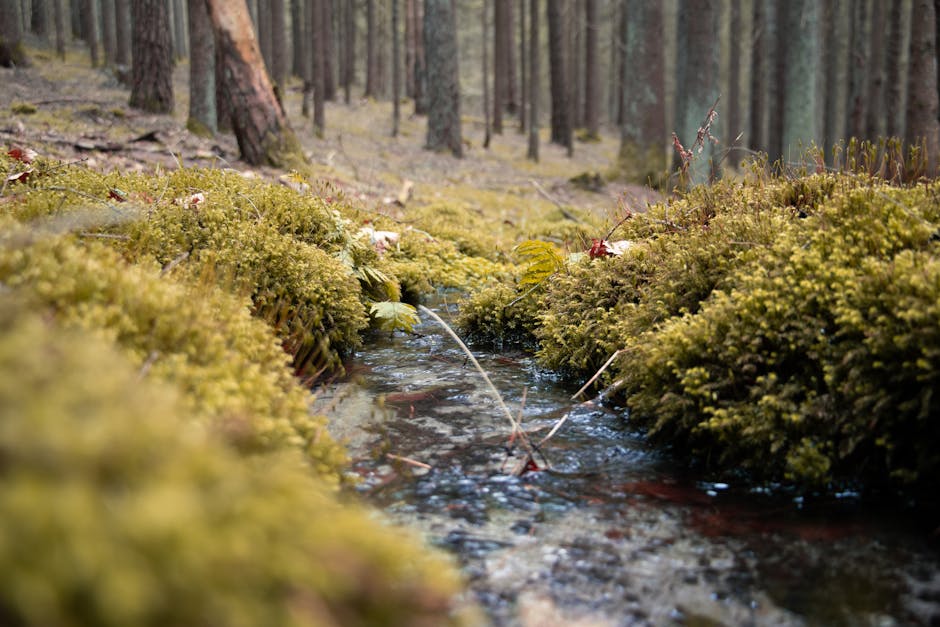
Brochures write off the wet season entirely. That’s wrong — for the right itinerary, November through April in tropical Queensland has genuine advantages that experienced travelers actively seek out.
- Daintree Rainforest at its most dramatic — waterfalls running full volume, the jungle intensely green, and almost no crowds. Trek North Safaris and Daintree Rainforest Tours both run wet-season guided walks where you’ll encounter other groups maybe once all day. The contrast with July tour buses is stark.
- Serious accommodation discounts — Silky Oaks Lodge near Mossman Gorge regularly drops rates by 35–40% in the wet season. You’re looking at $350/night versus $600/night for the same room. Thala Beach Nature Reserve near Port Douglas runs similar discounts.
- Freshwater swimming — no stingers required — box jellyfish stay in saltwater. The Atherton Tablelands has exceptional swimming holes: Josephine Falls (south of Cairns), Millaa Millaa Falls, and Babinda Boulders are all freshwater and safe year-round. No stinger suits, no enclosures.
- Fewer crowds everywhere inland — Kuranda, the Tablelands, the Undara Lava Tubes, and Chillagoe Caves all see dramatically thinner visitor numbers. You’ll move freely through places that feel genuinely crowded in July.
- Afternoon electrical storms over the Coral Sea — from a Port Douglas resort balcony, watching a wet season storm build over the ocean is genuinely one of Queensland’s more underrated experiences. It sounds like tourist spin; it isn’t.
The wet season works if you stay flexible day-to-day, plan around freshwater and inland experiences rather than reef diving, and accept that one or two activities per week may cancel due to weather. For budget-focused travelers who can take a relaxed approach, April in northern Queensland — when the wet season is winding down — hits an exceptional value window.
Just as the wet season in East Africa gets unfairly dismissed when it actually works brilliantly for the right type of traveler, Queensland’s wet season gets the same treatment. Match your itinerary to what it actually offers and it can be the better trip.
How to Book Queensland Travel Around the Seasons
When should I book reef tours to get the best conditions?
Target May through early October for reliable reef conditions. For June and July specifically, book reef day trips 3–4 months ahead — operators like Silverswift (Cairns, fast catamaran to Outer Reef, from $260 AUD) and Ocean Spirit (Michaelmas Cay day trips, from $230 AUD) run small-group departures that sell out early in school holiday windows. For liveaboard dive trips to the Coral Sea, Cod Hole, or Ribbon Reefs — operators like Spirit of Freedom and Mike Ball Dive Expeditions — book 5–6 months ahead for July and August. These aren’t artificially limited; they’re genuinely small vessels with 16–24 passengers.
How far ahead do I need to book the Whitsundays?
Bareboat charter (self-sailing): book 4–6 months ahead for June through August. Camira Sailing’s day trips to Whitehaven Beach and skippered tours with Mantaray Adventures are slightly more flexible — 2–3 months ahead works for shoulder season travel in May or September. Don’t arrive in Airlie Beach expecting to book Whitehaven Beach day trips on the day during peak season. They won’t exist.
When are international flights into Queensland cheapest?
Flights into Brisbane from the US and UK bottom out in February and March, when southeast Queensland is emptying after summer but northern Queensland is still in wet season. April is the practical sweet spot: prices are still reasonable (often 20–25% below July fares), southeast Queensland is excellent, and Cairns is just entering dry season conditions. Applying the same flexible-date booking approach used for domestic US routes works here too — shift travel by a week either side of Australian school holiday windows and the savings are substantial. Key Australian school holiday dates to avoid: late April (two weeks), late June through mid-July (two weeks), and mid-December through late January.
Do I need to worry about cyclones?
If you’re visiting northern Queensland between November and April, yes — buy travel insurance with explicit natural disaster cancellation cover, and check that it covers events not yet forecast at booking time. World Nomads and Cover-More both offer this for international visitors; Cover-More handles Australian domestic bookings. Read the product disclosure statement carefully: some policies exclude cyclones that form after departure but before you reach the affected area. For hotel bookings, applying flexible rate strategies during cyclone season means you can rebook without penalty if a storm forces itinerary changes.
The Verdict: My Specific Pick for Each Trip Type

September is the best single month to visit Queensland overall. For reef diving, you get dry season visibility (20–30 metres on the Outer Reef) without the July school holiday pricing. For southeast Queensland, spring temperatures hover around 26°C with low humidity. The Whitsundays are still in good sailing condition early in the month. Prices across the board sit below peak. No other month delivers this combination.
But September isn’t the answer for everyone. Here’s the breakdown by trip type:
Reef diving and snorkelling: September, no contest. Book Silverswift or a Mike Ball liveaboard, target the Outer Reef or Coral Sea, and you’ll get the best water conditions of the year at below-peak prices. Don’t waste money on Inner Reef day trips when the Outer Reef is this accessible.
Gold Coast beach holiday: October or early November. Water temperature hits 23–24°C, the schoolies festival crowds haven’t arrived yet (they descend late November), and accommodation rates run 25–35% below the January peak. Avoid December through January unless you enjoy queuing for everything.
Budget travelers with flexibility: April in the tropical north. The wet season is winding down, flights and hotels are at annual lows, most days clear by mid-morning, and freshwater swimming on the Tablelands is excellent. You might lose a reef day to weather — acceptable when you’re saving $800+ on accommodation over a ten-night trip.
Families locked into school holidays: If your kids are in Australian schools, you have no choice about the July window. Book everything six months out minimum, stay slightly outside the main tourist centers (Port Douglas instead of Cairns, Noosa instead of Surfers Paradise), and budget 30–40% more than the shoulder-season equivalent. It’s still worth it — Queensland in July is genuinely excellent, just expensive.
Daintree and rainforest focus: March or April. The jungle is at its most dramatic after the wet season, prices are low, and you’ll have the walking tracks largely to yourself. Trek North Safaris and Daintree Discovery Centre are the operators worth booking — both run wet-season and shoulder-season programs specifically designed for this window.