What 12 Years Taught Me About Off-Season Museum Mornings

The common mistake is assuming a cold Tuesday automatically means an empty museum. It does not. I have walked into famous galleries in January and found a queue around the block, then visited a smaller collection at 10:15 and had an entire room to myself. The difference was rarely luck. It came down to opening patterns, school holidays, timed tickets, and choosing the right first stop.
After more than a decade of city breaks, I now plan museum mornings around crowd behavior rather than a vague promise that winter will be quiet. The method below works best for travelers who want time with the art, not a slow shuffle behind a tour group.
Why Off-Season Museums Still Get Crowded
Cold months have busy pockets
Off-season demand is uneven. December can be packed with holiday visitors, February may overlap with school breaks, and rainy weekends push everyone indoors. Even a museum that feels calm from Monday to Thursday can become frantic after 10:30 on a Saturday. The quietest window is often a normal weekday outside local school holidays, not the first cold date you find on a calendar.
I check three things before I book: local school dates, public holidays, and the museum’s special exhibition calendar. A major Van Gogh, Picasso, or fashion show can overpower the normal winter slowdown. The headline collection may be quieter in January, but the temporary exhibition can still sell timed tickets days ahead.
Quiet means manageable, not empty
My real target is not an abandoned building. A completely empty museum can mean reduced hours, closed rooms, or a disappointing exhibition change. I want a light flow of visitors, open galleries, and enough space to stop without blocking the next person. That is the useful definition of a crowd-free museum morning: you can set your own pace for most of the visit.
My verdict is simple: treat the off-season as a chance to improve the odds, then use timing to finish the job. Weather alone will not do it.
The Best Arrival Time Is Usually 20 Minutes Before Opening
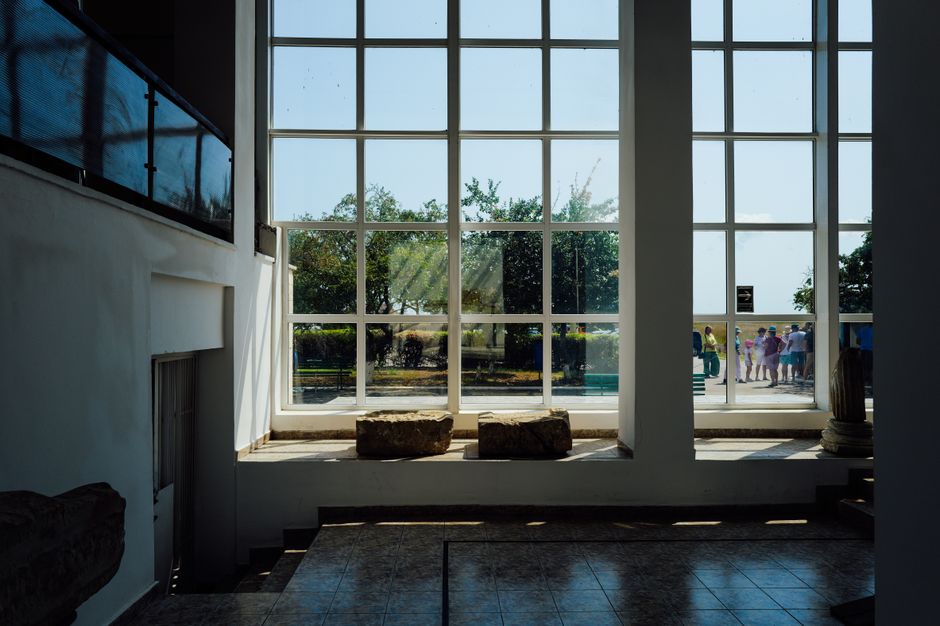
Use the opening queue as a buffer
For a large museum, I arrive 15 to 25 minutes before the doors open. That gives me time to find the correct entrance, clear the bag check, and stand near the front without wasting the best part of the morning outside. I do not arrive an hour early unless the museum has a famous timed exhibition or a first-come entry rule.
| Time | Move | Reason |
|---|---|---|
| 8:15 | Breakfast near the museum | Avoids a rushed meal and a late arrival |
| 8:35 | Walk to the entrance | Leaves time for the right gate and security line |
| 8:45 | Join the queue | Usually early enough for the first entry group |
| 9:00 | Enter and go upstairs or to the farthest gallery | Moves ahead of the first wave |
| 10:15 | Take a short coffee break | Lets the busiest central rooms fill without you |
| 10:35 | Visit the popular rooms | Some visitors are still at the entrance or café |
Opening time is not always the best time
Some museums open at 10:00, yet the first hour is already booked by school groups. Others open at 9:00 but release timed tickets in batches, creating a queue at 9:30. I read the entry conditions, not just the hours listed in a search result. If the first reservation is 9:30, arriving at 9:05 may be more useful than arriving at 8:20.
The clear winner is the museum that lets you enter early and move freely. If the ticket system funnels everyone into one exhibition room, choose a different first stop and return later.
How I Choose the First Museum of the Day
Start with the place that punishes delay
I choose the first museum by crowd sensitivity, not fame. A small photography gallery may stay pleasant until lunch, while a major national collection becomes uncomfortable by 10:30. The most popular place gets the first slot when it has narrow rooms, a famous temporary show, or a difficult timed-entry system.
Then I look at the building’s layout. Long, connected galleries handle people better than a set of small rooms with one doorway. A museum with several entrances can spread arrivals across the building. A compact palace with one staircase cannot. This is why an online popularity ranking is not enough. It tells me what people want to see, not how the building handles them.
Read the ticket calendar like a local
Ticket calendars reveal more than the price. A full 9:30 slot followed by open availability at 11:00 suggests a group booking, not constant demand. A calendar with every morning slot blocked may indicate a school visit or a special event. I also check the museum’s own notices for room closures because a cheap ticket is poor value if the main gallery is shut.
My preferred first museum has three traits: an early opening, a clear route to the most popular rooms, and a second entrance or broad central hall. For a quiet morning, those details matter more than the museum’s position on a must-see list.
What I Carry Without Slowing Down
My strong opinion: carry less than you think. Museum mornings become slower when a heavy day bag needs repeated inspection, locker storage, or constant rearranging. I take one small bag, a thin layer, water if the rules allow it, and only the tools that solve a real problem.
The useful little tools
I place one in my day bag when I am traveling with checked luggage or moving between hotels. It does not make the museum visit better, but it reduces the panic of leaving a bag in a locker or taxi. I prefer it to a tablet when I want quick notes without a bright screen in a quiet gallery.
I only pack it when I have a long transfer or an evening train. For one museum and a nearby lunch, the phone battery is usually enough.
The items I leave behind
I do not carry a large camera, a laptop, a full-size umbrella, or a thick guidebook unless the day genuinely requires one. These objects add weight and create security delays. Check the museum’s bag rules before leaving your hotel, because some venues allow small backpacks only when worn on the front or carried by hand.
My verdict is the Apple AirTag for a multi-city trip, the small notebook for thoughtful visits, and no extra battery for a short morning. Buy tools for the route you have, not for an imaginary travel emergency.
Q&A: What Ruins a Quiet Museum Morning?

Should I visit on free-entry day?
Usually, no. Free-entry periods attract local residents, students, and visitors who would not otherwise pay. That can be a great deal, but it rarely supports a calm first visit. I choose a paid weekday ticket when the collection matters more than saving a modest admission fee. Free access makes sense for a small museum with no timed exhibition, not for the city’s main landmark.
What if rain changes everyone’s plan?
Expect the crowd to arrive earlier. Rain removes the easy outdoor option, so people enter museums as soon as they reach the neighborhood. I move my arrival 20 minutes earlier, reserve a timed ticket, and pick a second stop with a covered route. I also avoid the café inside the museum between 10:30 and 11:30 because that is when visitors pause and queues spread into the galleries.
When should I skip the famous museum?
Skip it when the only available ticket is late morning, the main exhibition is sold out, or half the building is closed. A smaller museum with a clear 9:00 or 9:30 entry can give you a much better experience. Citymapper is free to download and useful for checking live transit disruptions, but no navigation app can fix a poor ticket choice. My best mornings often begin at the second-choice museum and finish near the landmark later, after the first rush has thinned.
The mistake to avoid is forcing the famous name into the perfect morning slot. A quiet visit to a lesser-known collection beats a stressful visit to a celebrated one.
My Verdict for 2026: Chase Quiet, Not Empty
For the traveler who wants depth
For a 2026 off-season city break, I would book one major museum for the first entry on a normal weekday, arrive 20 minutes early, and leave before late-morning groups take over; that plan gives you the best mix of access, energy, and breathing room, even when winter demand is higher than expected.
For the traveler who wants flexibility
If the famous museum has a late ticket or a packed calendar, I would choose a smaller nearby collection first and keep the landmark for the afternoon, because a calm room, a clear route, and enough time to look closely create a better memory than checking the biggest building off a list; the future of museum travel will reward visitors who plan around flow, not just famous names.