Recipe: Lemon-Zucchini Pizza
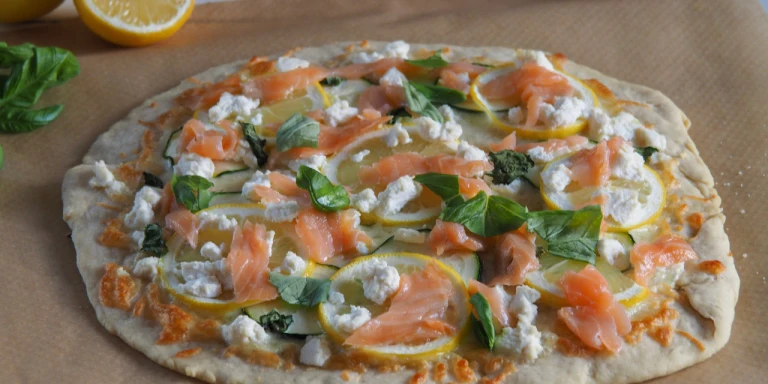
I spent three weeks cooking in a rental kitchen with a dull chef’s knife and an oven that ran 50°F too cold. That’s where this lemon-zucchini pizza was born. It’s not fancy. It’s a rescue recipe for anyone stuck with limited gear, odd ingredients, and zero desire to eat another sad sandwich.
Why This Pizza Works When You’re Not in Your Own Kitchen
Rental kitchens fail in predictable ways. Burners that take ten minutes to boil water. Ovens that burn one side and leave the other raw. A single baking sheet that’s seen better decades. Most pizza recipes assume you have a pizza stone, a peel, and an oven that hits 500°F. Those assumptions wreck dinner.
This recipe makes one demand: a sheet pan. That’s it. No stone. No peel. No stand mixer. The dough is a no-knead, high-hydration mix that you stir in a bowl and let sit. It forgives an uneven oven because you par-bake the crust on the stovetop in a skillet before finishing it under the broiler. The zucchini gets salted, squeezed dry, and sliced thin so it actually crisps instead of turning into a wet blanket. The lemon goes on after the oven — juice and zest hit the hot crust, not the heat. That keeps the citrus bright.
Bottom line: this pizza survives a bad oven, a dull knife, and a cook who’s tired. It takes 45 minutes active time, and you don’t need a scale or a thermometer.
The Dough: No-Knead, One Bowl, Zero Equipment
Most no-knead recipes call for a 12- to 18-hour ferment. That’s fine at home. Not fine when you land at 4 p.m. and want dinner at 6. This version uses a 2-hour room-temperature rise with active dry yeast and a hydration level of 78%. It’s wet enough to skip kneading but dry enough to handle with floured hands.
Ingredients and ratios for one 12-inch pizza
- 250 grams all-purpose flour (about 2 cups, spooned and leveled)
- 195 grams warm water (about ¾ cup plus 2 tablespoons, 105°F)
- 1 teaspoon active dry yeast
- 1 teaspoon fine sea salt
- 1 tablespoon olive oil
Dissolve the yeast in the water. Let it sit 5 minutes until it looks foamy. Add the flour, salt, and oil. Stir with a wooden spoon until a shaggy ball forms — about 30 seconds. Cover the bowl with a plate or plastic wrap. Let it sit at room temperature for 2 hours. The dough will double and look bubbly. Do not punch it down.
Turn it onto a heavily floured surface. Fold the edges into the center four times to form a round. Let it rest 10 minutes while you prep the toppings. That rest is mandatory — it relaxes the gluten so you can stretch instead of fight.
Topping Strategy: Wet Ingredients Are the Enemy
Zucchini is 95% water. Put wet zucchini on raw dough and you get a soggy middle and a pale top. This is the single biggest failure mode for this pizza. The fix takes 15 minutes and requires no special tools.
How to dry zucchini without a salad spinner
- Slice one medium zucchini into rounds about 1/8-inch thick. A mandoline helps, but a sharp knife and patience work.
- Toss the slices with ½ teaspoon salt in a bowl. Let them sit 10 minutes. Water will bead on the surface.
- Lay the slices on a clean kitchen towel or paper towels. Press another towel on top. Apply pressure with your hands. You want visible moisture gone.
- Pat dry one more time with fresh paper towels. The slices should feel tacky, not wet.
Now they’re ready. They’ll brown in the oven instead of steaming. This step is not optional. Skip it and you’ll be eating zucchini-flavored soup on bread.
The cheese and lemon balance
Use 4 ounces of low-moisture mozzarella, shredded. Not fresh mozzarella — that releases water as it melts. Add 2 tablespoons of grated Parmesan for salt and bite. After the pizza comes out of the oven, zest half a lemon over the top, then squeeze the juice from that same half over the entire surface. The acid cuts the richness of the cheese and the slight bitterness of the zucchini.
| Ingredient | Amount | Prep Note |
|---|---|---|
| Zucchini (medium) | 1 | Salted, pressed, patted dry |
| Low-moisture mozzarella | 4 oz (113g) | Shredded from a block, not pre-shredded |
| Parmesan | 2 tbsp, grated | Adds salt and umami |
| Lemon | ½ | Zest then juice, applied after baking |
| Red pepper flakes | ½ tsp (optional) | Adds heat, balances zucchini sweetness |
| Olive oil | 1 tbsp | Brushed on crust edges |
Stovetop-to-Broiler Method: The Rental Oven Hack
Rental ovens rarely heat evenly. The bottom element might be weak. The top might scorch. The stovetop-to-broiler method bypasses both problems by cooking the crust on the burner first, then finishing under the broiler. You get a crisp bottom and a bubbly, browned top without a stone.
Step-by-step for a 10-inch cast-iron or nonstick skillet
- Heat your largest oven-safe skillet over medium-high heat for 3 minutes. Cast iron is ideal. A stainless or nonstick pan works if it’s oven-safe to 500°F.
- Add 1 tablespoon olive oil to the pan. Swirl to coat.
- Stretch the dough into a 10-inch round. Lay it in the hot pan. It should sizzle.
- Cook 2 minutes. The bottom will set and turn golden. Use a spatula to check.
- Flip the crust. Immediately add the toppings: shredded mozzarella, dried zucchini slices, Parmesan, and red pepper flakes if using.
- Transfer the pan to the oven under the broiler set to high. Broil 3–5 minutes. Watch it. The cheese should bubble and brown in spots. The crust edges should char slightly.
- Remove the pan. Slide the pizza onto a cutting board. Zest and juice the lemon over the hot surface.
This method works in every rental kitchen I’ve tested. The stovetop step guarantees a crisp bottom. The broiler step guarantees a melted, blistered top. No preheating the oven to 500°F for an hour.
Three Mistakes That Will Ruin This Pizza
I made every one of these so you don’t have to.
Mistake 1: Using pre-shredded cheese
Pre-shredded mozzarella is coated in cellulose and potato starch to prevent clumping. That coating also prevents melting. It turns into a greasy, rubbery layer instead of a cohesive blanket. Shred your own from a block. It takes 90 seconds and the texture difference is night and day.
Mistake 2: Overloading the pizza
This is a thin-crust pizza. It cannot support a mountain of zucchini and cheese. Use a single layer of zucchini slices — about 15 to 20 rounds. Use 4 ounces of mozzarella, not 8. Overloading traps steam, which makes the crust soft and the toppings slide off when you cut it.
Mistake 3: Applying lemon before the oven
Lemon juice exposed to high heat turns bitter. The volatile oils in the zest burn off. Always apply lemon after the pizza comes out of the oven. The heat from the crust releases the oils in the zest and the juice stays bright and acidic.
When NOT to Make This Pizza
This pizza solves a specific problem: limited kitchen gear and uneven heat. But it’s not the right call for every situation.
- Don’t make it if you have a pizza steel or stone and a 500°F oven. Use a traditional method instead. The stovetop-broiler hack trades some crust structure for convenience. A stone gives a better crumb.
- Don’t make it if you’re feeding more than two people. This recipe makes one 10-inch pizza. Doubling it requires two skillets or a bigger pan, and the timing gets fiddly.
- Don’t make it if you hate zucchini. You can substitute thinly sliced yellow squash or even canned artichoke hearts (drained and pressed dry), but the lemon pairing is designed for zucchini’s mild flavor. Swap the base and the balance shifts.
If you have a gas grill and a pizza stone, make a grilled version instead. If you have a microwave and a toaster oven, make a flatbread in the toaster. This recipe earns its place when the oven is unreliable and you want pizza in under an hour.
How to Scale and Adapt This Recipe for Different Kitchens
You won’t always have a skillet. You won’t always have all-purpose flour. Here’s how to adjust.
No skillet? Use a sheet pan
Preheat the sheet pan in the oven at 450°F for 10 minutes. Carefully place the stretched dough onto the hot pan. Add toppings. Bake on the lowest rack for 8–10 minutes, then move to the top rack and broil 2–3 minutes. The hot pan gives you a decent bottom crust, though not as crisp as the stovetop method.
No all-purpose flour? Use bread flour or 00 flour
Bread flour (12–13% protein) will make a chewier crust. Reduce the water to 180 grams (about ¾ cup) because bread flour absorbs less. 00 flour (Caputo Pizzeria, 12.5% protein) works perfectly at the same hydration. Do not use whole wheat flour alone — it produces a dense, dry crust. Mix 50/50 with all-purpose at most.
No lemon? Use a splash of white wine vinegar
You need acid to cut the fat. A teaspoon of white wine vinegar or even apple cider vinegar drizzled over the finished pizza mimics lemon’s brightness. It’s not the same, but it prevents the pizza from tasting flat.
One Takeaway
Salt the zucchini, cook the crust on the stove, and add the lemon after the oven — three rules that turn a rental kitchen into a pizza kitchen.