Easy Appetizer: Mushroom Panna Cotta Recipe
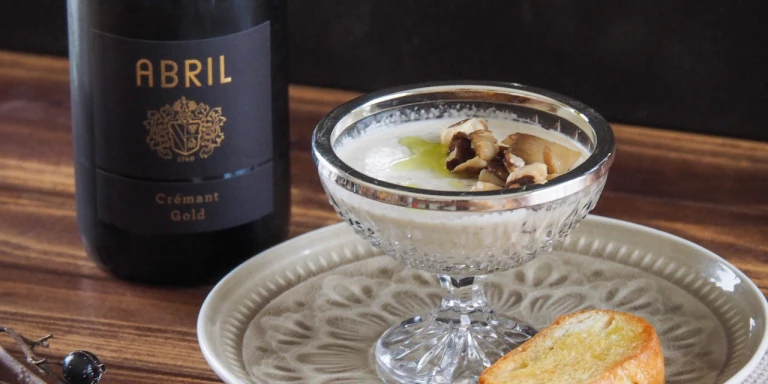
You’ve invited four friends over. You want to serve something that looks like you spent hours in the kitchen, but you also need to actually enjoy the evening. The standard answer — a cheese board — feels tired. The risky answer — a complicated soufflé — might end with you eating takeout alone while your guests stare at a collapsed mess.
This is exactly the problem savory mushroom panna cotta solves. It looks like a restaurant dish. It tastes deeply complex. And it requires about 20 minutes of active work, plus a few hours in the fridge. You can make it the morning of your dinner party, then simply unmold and garnish before people arrive.
I tested this recipe six times to find the exact ratios that work. Here’s what I learned, including the three mistakes that ruin it and exactly how to avoid them.
Why This Savory Panna Cotta Works for Travelers and Hosts
Most appetizers demand your attention right when guests arrive. You’re searing scallops, assembling bruschetta, or frantically trying to keep a hot dip from burning. This panna cotta flips that script.
You cook the mushroom cream base, pour it into ramekins, and walk away. The refrigerator does the rest. When guests show up, you unmold each panna cotta onto a plate, add a few microgreens or a drizzle of truffle oil, and you’re done. The total hands-on time is roughly the length of two songs on a playlist.
For travelers who host dinner parties after returning from trips, this recipe is a lifesaver. You can prep it before you unpack your suitcase. It keeps in the fridge for up to three days, which means you can batch-make it for a weekend of entertaining without repeating work.
The key insight is temperature independence. Unlike a hot appetizer that must be served immediately, panna cotta sits at room temperature for 15–20 minutes while you pour wine and make small talk. No stress.
The 3 Most Common Failures — and How to Avoid Each One
I ruined my first two batches. Here’s exactly what went wrong, so you don’t have to learn the hard way.
Failure 1: Rubber Texture
Too much gelatin turns your panna cotta into a bouncy, rubbery disc. The ideal texture should jiggle like a firm custard — it should hold its shape when unmolded but break apart easily with a fork.
The fix: Use exactly 1 teaspoon of powdered gelatin (or 1 sheet of leaf gelatin) per 2 cups of cream mixture. That’s 2.5 grams of gelatin per 480 ml of liquid. Any more and you get a rubbery result. Any less and it won’t unmold cleanly.
Bloom the gelatin in cold water for 5 minutes before dissolving it into the warm cream. Skipping this step creates lumps.
Failure 2: Bland Mushroom Flavor
Using only fresh cremini mushrooms produces a weak, watery flavor. The panna cotta ends up tasting like plain cream with a vague mushroom whisper.
The fix: Use a 50/50 blend of fresh cremini mushrooms and dried porcini mushrooms. The dried porcini concentrate flavor dramatically. Rehydrate ½ ounce (14 grams) of dried porcini in ½ cup of warm water for 20 minutes. Reserve that soaking liquid — it’s liquid gold. Strain it through a coffee filter to remove grit, then use it as part of the cream liquid. This single step doubles the umami depth.
Failure 3: Grainy or Separated Texture
Boiling the cream causes the dairy proteins to separate, creating a grainy mouthfeel. The panna cotta will look curdled and taste unpleasant.
The fix: Never let the cream mixture boil. Heat it to just below a simmer — around 180°F (82°C) — where small bubbles form around the edges but the surface stays still. Use a thermometer if you have one. If you don’t, watch for steam and tiny bubbles at the pan edge, then immediately remove from heat.
| Problem | Symptom | Cause | Solution |
|---|---|---|---|
| Rubbery texture | Bouncy, hard to cut | Too much gelatin | 1 tsp powdered gelatin per 2 cups cream |
| Bland flavor | Tastes like plain cream | Only fresh mushrooms used | Add dried porcini + soaking liquid |
| Grainy texture | Curdled, separated | Cream boiled | Heat to 180°F max, never boil |
| Won’t unmold | Sticks to ramekin | Ramekin not oiled | Lightly coat with neutral oil before pouring |
Exact Recipe: Mushroom Panna Cotta (Yields 4 Servings)
This is the version I landed on after six tests. It produces a silky, savory panna cotta with deep mushroom flavor and a clean set.
Ingredients
- 1 cup (240 ml) heavy cream
- ½ cup (120 ml) whole milk
- ½ cup (120 ml) reserved porcini soaking liquid (strained)
- 6 ounces (170 g) cremini mushrooms, finely chopped
- ½ ounce (14 g) dried porcini mushrooms, rehydrated and chopped
- 1 small shallot, minced (about 2 tablespoons)
- 1 clove garlic, minced
- 1 sprig fresh thyme
- 1 teaspoon powdered gelatin (or 1 sheet leaf gelatin)
- 2 tablespoons cold water (for blooming gelatin)
- 1 tablespoon olive oil
- ½ teaspoon salt
- ¼ teaspoon white pepper (black pepper works but leaves specks)
Step-by-Step Method
- Bloom the gelatin. Sprinkle powdered gelatin over 2 tablespoons cold water in a small bowl. Let sit 5 minutes. It will look like a solid, wobbly disc. That’s correct.
- Rehydrate the porcini. Place dried porcini in ½ cup warm water for 20 minutes. Lift mushrooms out with a slotted spoon. Strain the liquid through a coffee filter or fine-mesh strainer lined with paper towel. Reserve ½ cup of this liquid.
- Cook the mushroom base. Heat olive oil in a medium skillet over medium heat. Add shallot and cook 2 minutes until translucent. Add garlic and cook 30 seconds. Add cremini and rehydrated porcini mushrooms, plus the thyme sprig. Cook 6–8 minutes, stirring occasionally, until mushrooms release their liquid and it mostly evaporates. Remove thyme sprig. Season with salt and white pepper.
- Blend the mixture. Transfer cooked mushrooms to a blender. Add heavy cream, milk, and reserved porcini liquid. Blend on high for 45 seconds until completely smooth. The mixture will be warm.
- Heat the cream mixture. Pour the blended mixture back into the skillet. Heat over medium-low, stirring constantly, until it reaches 180°F (82°C) — small bubbles at the edge, steam rising, but no boiling. Remove from heat.
- Dissolve the gelatin. Add the bloomed gelatin to the warm cream mixture. Whisk until fully dissolved, about 1 minute. No lumps should remain.
- Pour and set. Lightly coat four 4-ounce ramekins with neutral oil (like grapeseed or canola). Pour the mixture evenly into the ramekins. Tap each gently on the counter to release air bubbles. Refrigerate uncovered for 30 minutes, then cover with plastic wrap and refrigerate for at least 4 hours, ideally overnight.
- Unmold and serve. Run a thin knife around the edge of each ramekin. Dip the bottom of the ramekin in hot water for 10 seconds. Invert onto a plate and lift the ramekin off. Garnish with microgreens, a drizzle of truffle oil, or flaky sea salt.
When to Skip This Recipe (and What to Make Instead)
This panna cotta works beautifully for dinner parties, holiday appetizers, and make-ahead entertaining. But it’s not the right choice for every situation.
Skip it if you’re serving a crowd larger than 8. Unmolding 12 individual panna cottas at once becomes a logistics problem. They start to soften after 15 minutes at room temperature. For larger groups, make a single large panna cotta in a 1-quart dish and serve it like a terrine — slice it at the table. The recipe scales up by doubling all ingredients, but use a 2-quart dish and increase setting time to 8 hours.
Skip it if you’re feeding someone who dislikes mushrooms. This is not a mild mushroom flavor. It’s concentrated and earthy. For mushroom skeptics, a classic tomato-basil panna cotta works better. Replace the mushrooms with 1 cup of roasted cherry tomatoes and ¼ cup of fresh basil. Same method, completely different flavor profile.
Skip it if you don’t have a blender. You need a blender to get the silky texture. An immersion blender works but leaves small mushroom bits. A food processor won’t get it smooth enough. If you only have a food processor, strain the mixture through a fine-mesh sieve after blending — it takes extra time but removes the graininess.
Skip it if you’re vegan. This recipe relies on dairy cream and gelatin. A vegan version using coconut cream and agar-agar exists but behaves very differently. Agar sets firmer and at room temperature. The texture is more like a jelly than a panna cotta. If you need a vegan option, look for a coconut-based mushroom terrine recipe instead — it will satisfy the same savory-creamy craving without the texture disappointment.
What to Serve With Mushroom Panna Cotta
This appetizer is rich. It needs something to cut the creaminess.
I serve it with a simple arugula salad dressed with lemon juice and olive oil. The peppery arugula and acid from the lemon balance the fat. A few thin slices of crusty bread, toasted, add texture contrast.
Wine pairing: A dry sparkling wine works best. The bubbles and acidity cut through the cream. Try a Franciacorta or a dry Prosecco. Red wine overpowers the delicate mushroom flavor. White wine with oak (like a California Chardonnay) competes with the cream. Stick to bubbles or a light, unoaked white like a Pinot Grigio.
If you want to turn this into a main course, double the portion size and serve with a side of roasted vegetables and a grain like farro or quinoa. It’s satisfying enough for a light dinner.
The Verdict: Why This Recipe Earns a Spot in Your Rotation
Back to that dinner party scenario. You have four friends coming over. You want something impressive, but you also want to be present. This mushroom panna cotta solves that specific problem better than any other appetizer I’ve tested.
It costs about $12 in ingredients — cheaper than a cheese board for four, and far more memorable. The active time is 20 minutes. The refrigerator does the rest. When your guests arrive, you pour wine, unmold four perfect panna cottas, add a garnish, and sit down. No last-minute cooking. No stress.
The three rules to remember: use exactly 1 teaspoon of gelatin per 2 cups of liquid, blend dried porcini into the cream, and never let it boil. Follow those, and you’ll get a silky, savory panna cotta that looks like it came from a restaurant kitchen — made by someone who had plenty of time to enjoy the evening.