Garmin Inreach Mini 2 Vs Zoleo: Garmin InReach Mini 2 vs. Zoleo: Best Satellite Communicator 2026

A broken ankle two miles from any trailhead is a very different emergency when you carry a satellite communicator. The Garmin InReach Mini 2 ($349.99) and the Zoleo Satellite Communicator ($199) both reach rescue services when cell coverage ends — but they make different tradeoffs, and picking the wrong one for your trip type means overspending or carrying a device that fails you precisely when you need it.
Specs at a Glance: InReach Mini 2 vs. Zoleo
Both devices connect to the Iridium satellite constellation for SOS and tracking. The differences start there.
| Spec | Garmin InReach Mini 2 | Zoleo |
|---|---|---|
| Device price (2026) | $349.99 | $199 |
| Satellite network | Iridium only (pole-to-pole) | Iridium + cellular + Wi-Fi |
| Weight | 3.5 oz (99g) | 5.3 oz (150g) |
| Battery (active tracking) | 90 hrs at 10-min intervals | 200+ hrs standby |
| Waterproof rating | IPX7 — submersion to 1m, 30 min | IP66 — water jets, not submersion |
| SOS monitoring | GEOS (24/7) | IERCC (24/7) |
| Standalone messaging | Yes — no phone required | No — requires a paired phone |
| Weather forecasts | Yes (Recreation plan and above) | Yes (all plans) |
| Starting monthly plan | $14.95/mo | $20/mo |
The standalone messaging row is the most consequential spec on this table. Zoleo is a radio modem — all message input and output happens through the Zoleo smartphone app. If your phone breaks, freezes, or drains to zero, two-way communication goes with it. The InReach Mini 2 operates entirely on its own, with a touchscreen for composing messages directly on the device. SOS on both devices works without a phone. Two-way messaging on Zoleo does not.
Why the Garmin InReach Mini 2 Is Worth the Premium for Remote Expeditions
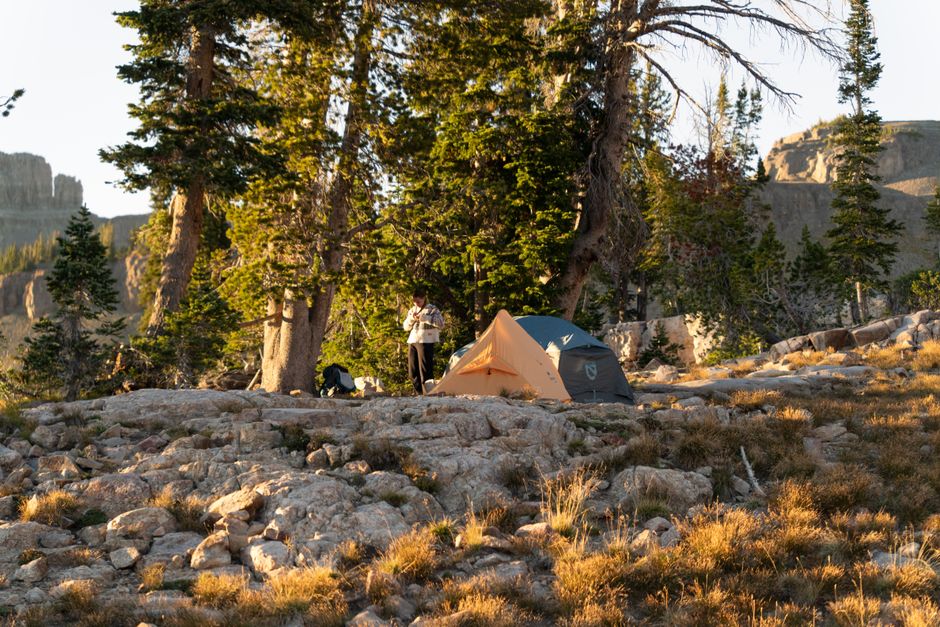
The InReach Mini 2 earns its price in one specific scenario: trips where your phone dying before the emergency is a realistic possibility.
Standalone operation when your phone is gone
Multi-day backcountry routes in cold or wet environments kill phone batteries faster than rated. A fall cracks a screen. Three days of sustained rain works through a waterproof case. When the phone dies, Zoleo goes silent — you can trigger SOS, but you cannot type “I have a broken leg at mile 14, send rescue to GPS coordinates below.” The InReach Mini 2’s touchscreen interface works independently. Compose a specific message, check coordinates, update your tracking interval, and trigger SOS without ever touching a phone.
On any trip longer than three days in genuinely remote terrain, that independence is worth the price difference.
IPX7 waterproofing vs. IP66 — not the same thing
IPX7 means the InReach Mini 2 survives full submersion to one meter for 30 minutes. IP66 (Zoleo’s rating) means resistance to strong water jets — rain, hose spray — but not submersion. This gap matters for whitewater activities, stream crossings with a loaded pack, or hiking in sustained heavy rain for hours. The InReach Mini 2 can be clipped to a shoulder strap and survive going into a river. Zoleo is rated for rain. Not for going underwater.
Consistent Iridium routing with no fallback dependencies
Zoleo routes messages through cellular or Wi-Fi first when those networks are available, then falls back to Iridium. In genuinely remote terrain, there is no cell signal — Iridium handles everything, same as the InReach Mini 2. Network performance in deep backcountry is comparable for both devices. The problem is not the network. It is the interface. Zoleo still requires a working phone to read or send a message, even when routing through Iridium. That dependency is baked into the product design, and no software update will remove it.
Three Ways Zoleo Outperforms InReach for Most Weekend Hikers
For most backcountry users — weekend backpackers, guided trekking groups, families on 3-4 day routes — Zoleo is the more practical and better-valued purchase. Here is why.
- $150 lower device cost. At $199, Zoleo is accessible to hikers who might skip a satellite communicator entirely because of price. That gap is real money, especially when monthly plan costs add up regardless of which device you choose.
- Better standby battery for short trips. 200+ hours standby means Zoleo users on 3-4 day trips barely think about battery management. The InReach Mini 2’s 90-hour active tracking window is generous, but active tracking draws power faster. For casual use, Zoleo’s battery math is simpler.
- The app experience is designed for normal people. Zoleo imports your phone contacts, displays messages in familiar conversation threads, and lets you share live location with family via a browser link — no app download required on their end. Garmin Explore works, but it is a GPS platform with messaging bolted on. If your primary goal is sending “I’m safe, here’s where I am” to a worried spouse or parent, Zoleo handles that job better.
- Faster delivery in transition zones. In the first and last miles of a hike where patchy LTE exists, Zoleo routes through cellular and delivers messages in seconds. InReach always routes through Iridium — messages take 2-5 minutes even with a cell signal nearby. Minor point, but noticeable on day trips.
The honest caveat: all these advantages assume your phone stays functional. If your phone is the weakest link in your safety setup, Zoleo’s usability benefits collapse at the exact moment they matter most.
Subscription Plans: What Each Device Costs Over Time

Device price is a one-time cost. Subscription fees run every month you use the device. Over three years, plan costs exceed hardware cost for both products — and this is where most buyers underestimate the real price of ownership.
| Plan | Device | Monthly | Messages Included | Annual Estimate |
|---|---|---|---|---|
| Safety Plan | Garmin InReach Mini 2 | $14.95 | Check-in/SOS only — no custom text | ~$179/yr |
| Recreation Plan | Garmin InReach Mini 2 | $34.95 | 40 messages/month | ~$419/yr |
| Expedition Plan | Garmin InReach Mini 2 | $64.95 | Unlimited messages | ~$779/yr |
| Zoleo Connect | Zoleo | $20 | 25 messages + unlimited check-in | ~$240/yr |
| Zoleo Unlimited | Zoleo | $34 | Unlimited messages | ~$408/yr |
When the Safety Plan is actually enough
Garmin’s Safety Plan at $14.95 is the cheapest active satellite subscription on the market — but it only covers preset check-in pings and SOS. No custom messages. Anyone who needs to type “running behind, camping at the north lake tonight” needs the Recreation Plan at $34.95, which brings Garmin’s annual cost nearly identical to Zoleo Unlimited ($419 vs. $408). The Safety Plan is a genuine option only for hikers who never need to communicate anything beyond a binary “I’m okay” ping.
Seasonal suspension drops the real annual cost significantly
Both services allow plan suspension for months you are not hiking. If you use your device May through October and pause the remaining six months, your actual annual cost drops roughly in half. Run that math against your hiking season before concluding either service is unaffordable — the estimates above assume 12 active months.
If neither device fits your use case, the Garmin inReach Messenger ($299) is Iridium-based but phone-dependent — a middle option if you want Garmin’s network without the Mini 2 price. The SPOT Gen4 ($149) is the stripped-down alternative: one-way tracking and SOS only, no two-way messaging at all. Both are worth comparing if your trips are shorter or your budget is tighter.
Before You Leave the Trailhead: Three Steps Most Hikers Skip
Owning a satellite communicator and being protected by one are not the same thing. Most buyers miss at least one of the following before their first serious trip.
Register your device with the emergency database
In the United States, satellite communicators should be registered at beaconregistration.noaa.gov. Registration links your device ID to your name, phone number, and emergency contacts. When GEOS or IERCC receives your SOS, they call your listed contacts first to confirm the emergency is real before dispatching rescue. Without registration, that verification step slows or fails entirely. Ten minutes. Free. Done once.
Run a test message in real terrain before the trip
Every satellite communicator supports a test mode. Use it in the actual terrain type where you will be hiking — not your driveway. Confirm messages send and arrive, that your contacts know how to open your tracking link, and that your phone pairs correctly if your device requires one. Finding a setup problem at the trailhead costs an afternoon. Finding it at mile 20 in deteriorating weather costs considerably more.
File a trip plan with someone who stays home
An SOS tells rescuers you need help. A filed trip plan tells them where to look. Write down trail names, planned campsite locations, daily mileage targets, and the exact date and time after which you want a call to 911. Give it to a reliable contact who is not on the trail with you. Rescue response in genuinely remote terrain can run 24-48 hours from SOS activation. The preparation that keeps you alive until help arrives matters as much as the button you pressed to call for it.
What a Satellite Communicator Cannot Do

It cannot shorten helicopter response times when weather closes in. An SOS triggered in a remote mountain range still means 12-36 hours before anyone reaches you under good conditions — longer when aircraft are grounded by storm or darkness.
No device changes that math. The button gets help moving in your direction. Everything between pressing SOS and rescue arriving — staying warm, managing an injury, treating shock, finding shelter — falls entirely on the skills and supplies you carried into the field.
A satellite communicator is an exceptional last line of defense. It works best when surrounded by preparation: a filed trip plan, a trained partner, an emergency shelter, extra food, and the judgment to turn back before the situation escalates. The InReach Mini 2 is the right call if your trips regularly put you somewhere a dead phone would strand you. Zoleo is the right call for most other situations. Either way, the device only matters as much as the preparation around it.