Rome Vs Florence Solo Travel: Rome vs. Florence: Which Italian City Wins for Solo Travelers?
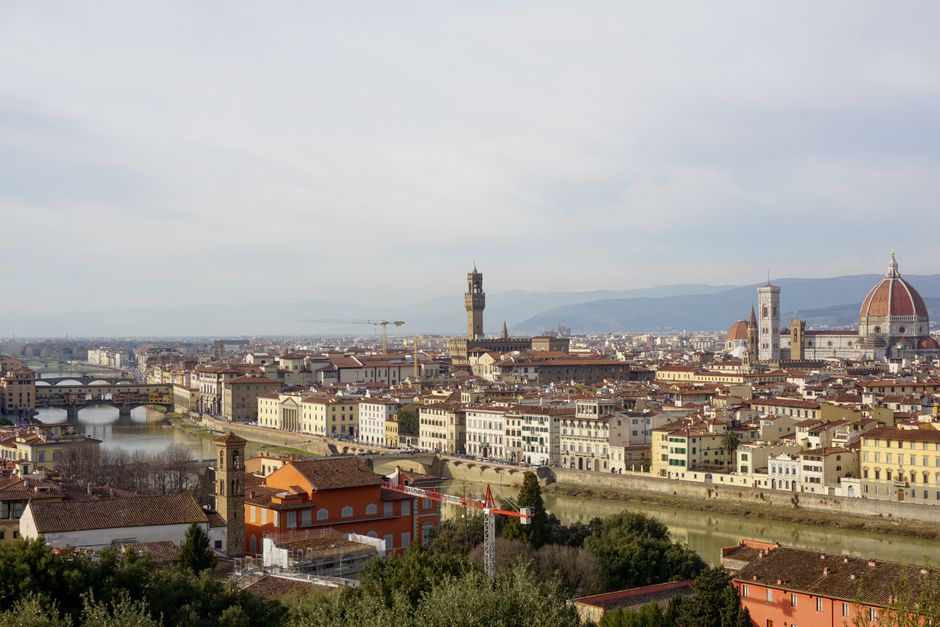
Most people think Rome is the obvious choice for a first solo trip to Italy. It has the Colosseum, the Vatican, and that chaotic energy everyone talks about. But here’s the catch: Rome is huge, spread out, and can feel lonely in a crowd. Florence is smaller, more walkable, and forces you into closer contact with other travelers. For a first-time solo traveler in 2026, the better pick depends on what kind of alone time you actually want.
The Solo Traveler’s Core Problem: Navigating Scale
Rome covers 1,285 square kilometers. Florence covers 102. That difference matters when you’re eating dinner alone for the first time.
In Rome, you’ll spend 30-45 minutes on the Metro between major sights. The Colosseum to the Vatican is a 40-minute train ride. That’s time you spend staring at your phone, not interacting with anyone. Florence’s historic center is roughly 2 kilometers across. You can walk from the Duomo to the Ponte Vecchio in 8 minutes. Every restaurant, museum, and gelato shop sits within a 15-minute walk.
For a solo traveler, walkability reduces the friction of eating alone. You can wander into a tiny trattoria on a side street without planning ahead. In Rome, you’ll need to research which neighborhoods have good solo-friendly spots. Trastevere is your best bet. The area around Termini station is fine for budget eats but lacks charm.
Florence wins for scale. A first-time solo traveler can cover the entire historic center in a single day without touching public transport. Rome requires a plan.
What about safety?
Both cities are safe for solo travelers. Rome has more pickpocketing near tourist attractions. The 64 bus route from Termini to St. Peter’s is notorious. Florence has fewer crowded buses and tighter streets, which means less opportunity for bag snatching. Violent crime is nearly nonexistent in both. You’ll be fine walking alone at 10 PM in either city center.
Solo Dining: Where You Won’t Feel Awkward
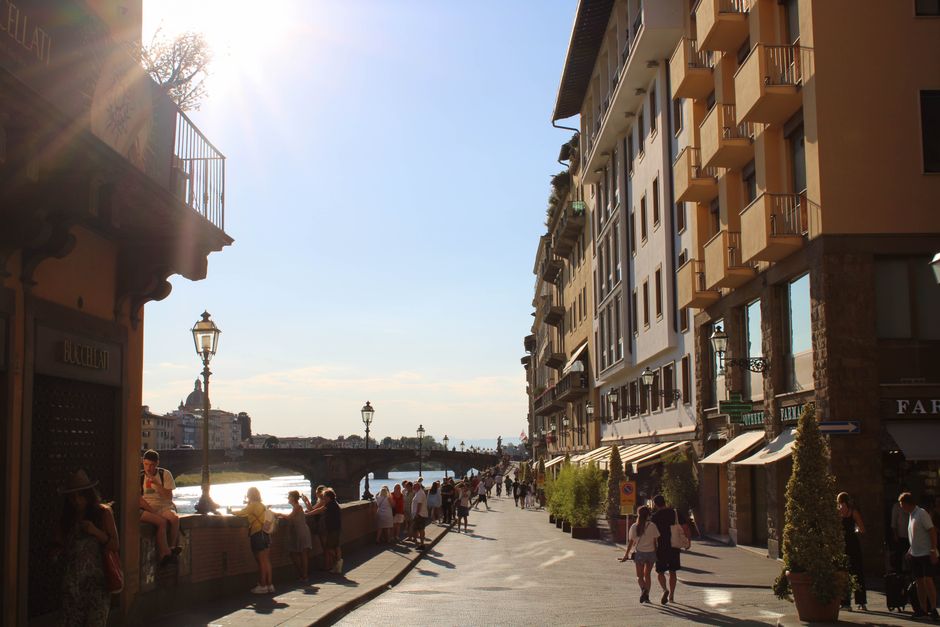
Eating alone is the biggest hurdle for new solo travelers. Here’s how these cities compare.
Florence has a culture of small, counter-service eateries. All’Antico Vinaio serves massive sandwiches on schiacciata bread for €8-10. You order at the counter, eat standing on the street, and nobody cares you’re alone. Mercato Centrale upstairs has communal tables where solo diners sit together naturally. The ground floor market sells fresh pasta and truffle oil for self-catering. These options remove the “table for one” anxiety entirely.
Rome is more traditional. Many trattorias expect you to sit for a full meal. Solo diners sometimes get rushed through courses or seated near the bathroom. But there are exceptions. Pizzarium near the Vatican sells pizza al taglio by the slice. You pick 3-4 rectangular slices, pay by weight (around €4-5 for a filling meal), and eat standing at a counter. Roscioli has a small counter where solo diners eat pasta and wine without reservation. Da Enzo al 29 in Trastevere is welcoming to solo guests if you go early (6:30 PM) before the crowds.
| Factor | Rome | Florence |
|---|---|---|
| Average solo meal cost (lunch) | €12-18 | €10-15 |
| Counter-service options | Good (pizza al taglio, street food) | Excellent (schiacciata, market stalls) |
| Communal dining spots | Few (Eataly, some wine bars) | Many (Mercato Centrale, food halls) |
| Self-catering ease | Moderate (small supermarkets) | Easy (Mercato Centrale ground floor) |
| Awkwardness risk | Medium | Low |
Florence wins for solo dining. The food culture naturally accommodates people eating alone. Rome requires more strategy to find the right spots.
Museums and Attractions: The Solo Experience
Visiting museums alone is actually better. You move at your own pace, skip the gift shop, and spend 20 minutes staring at one painting without someone asking when you’re done.
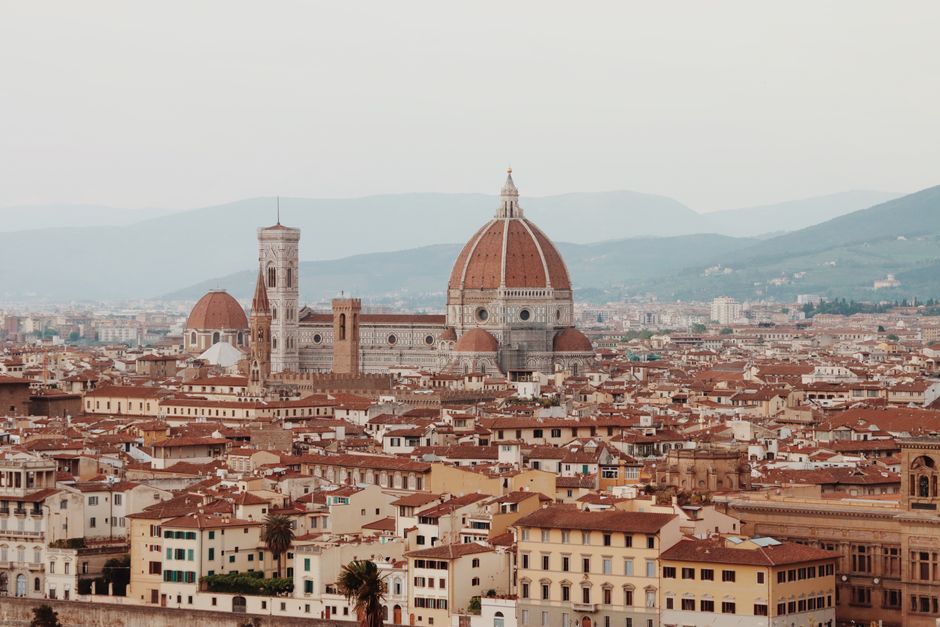
Florence’s Uffizi Gallery holds Botticelli’s Birth of Venus and works by Leonardo da Vinci. A standard ticket costs €25. Book at least two weeks ahead for 2026. The museum is compact — three floors, manageable in 2-3 hours. The Accademia Gallery (€13) is smaller, built around Michelangelo’s David. You can see the main attraction in 45 minutes and leave. Both museums benefit from the city’s small scale. You walk from your hotel, spend a focused morning, then grab lunch nearby.
Rome’s Colosseum (€18), Roman Forum (included), and Vatican Museums (€17) require more logistics. The Vatican Museums stretch for 7 kilometers of galleries. Solo travelers often hit museum fatigue by hour three. The Borghese Gallery (€15) is a better solo option — smaller, capped at 2-hour timed entry, with Caravaggio and Bernini works. You need to book weeks ahead.
Rome wins for variety. You get ancient ruins, Renaissance art, and Baroque churches. Florence wins for focus. You see the best Renaissance collection in the world without the overhead of navigating a huge city.
The hidden cost: line waiting
Solo travelers wait in the same lines as groups. Rome’s Vatican Museums can have 2-hour queues without a skip-the-line ticket. Florence’s Uffizi is similar. For both cities, buy tickets online in advance. Trenitalia and Italo trains connect the cities in 1.5 hours (€20-40 one way). You can do both in one trip.
The Mistake Most First-Time Solo Travelers Make
They try to do both cities in 5 days. This is a failure mode. Rome requires 4 days minimum. Florence needs 3. Trying to split a week between them means losing half a day to travel, checking in and out of hotels, and never settling into either place.
Another common mistake: booking a hostel dorm bed to save money, then feeling too tired to go out at night. Solo travel requires energy. Spend the extra €15-20 for a private room in a social hostel like The Beehive in Rome (private rooms from €90/night) or Plus Florence (private rooms from €70/night). You get privacy when you need it and a common area when you want company.
A third mistake: overplanning. Solo travelers often pack every hour with activities to avoid sitting alone. Leave empty afternoons. Sit at a cafe with a book. Walk without a destination. That’s where the real travel happens.
When not to pick Florence: If you want nightlife, variety, or a bustling city energy, Florence will feel sleepy by 10 PM. Rome has late-night wine bars, live music in Trastevere, and a 24-hour energy that Florence lacks.
When not to pick Rome: If you’re nervous about navigating complex transport, eating alone, or feeling anonymous in a crowd, Rome will amplify that anxiety. Florence’s small scale makes it easier to build confidence.
Budget Breakdown for Solo Travelers in 2026
Both cities are more expensive than smaller Italian towns. Here’s what you’ll actually spend as a solo traveler.
| Expense | Rome (per day) | Florence (per day) |
|---|---|---|
| Hostel private room | €80-120 | €65-95 |
| Budget hotel (3-star) | €120-180 | €100-150 |
| Meals (3 counter-service) | €30-45 | €25-35 |
| Museum tickets (1 major) | €17-25 | €13-25 |
| Local transport | €7 (Metro/bus pass) | €0 (walking) |
| Total (budget) | €134-197 | €103-155 |
Florence is noticeably cheaper. The walkability alone saves €7-10 daily on transport. Accommodation runs 15-20% less. Food costs less because counter-service options are more prevalent. Rome has more free attractions (Trevi Fountain, Spanish Steps, Pantheon) but the daily overhead is higher.
The Verdict: Pick Based on Your Solo Personality
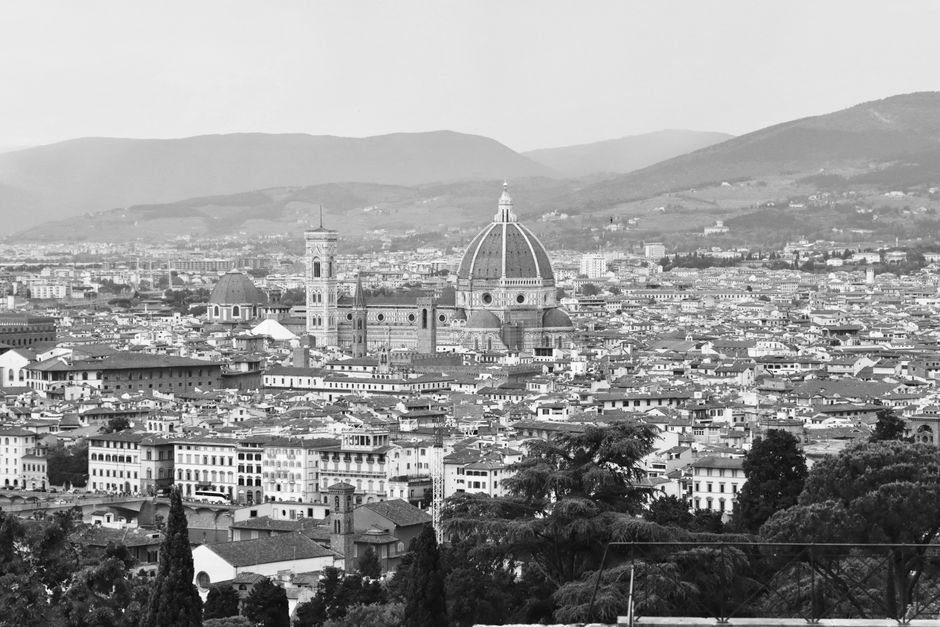
For a first-time solo traveler, Florence is the safer bet. The smaller scale removes the logistical anxiety that trips up new solo travelers. You can walk everywhere. You’ll eat well without feeling awkward. You’ll meet other travelers at communal tables and in hostel common rooms. The art is world-class and concentrated.
But if you’ve already traveled alone before, or if you’re naturally comfortable navigating big cities, Rome offers more. More history, more variety, more nightlife, more to discover. Rome rewards the solo traveler who goes deeper — the side streets of Trastevere, the quiet corners of the Vatican Museums, the late-night wine bars near Piazza Navona.
Here’s the honest answer: start with Florence for 4 days, then take the 1.5-hour Italo train to Rome for 4 more days. That’s the real winning combination for 2026. You build confidence in Florence, then tackle Rome with momentum.