Rainy Day Sightseeing: Rainy-Day Sightseeing: Indoor Backups Near Main Routes

You planned a walking day around the old town, riverfront, or museum district, then the forecast changes from light showers to steady rain. The fix is not abandoning the route; it is placing useful indoor stops close enough that a wet walk never becomes the main event.
How to build an indoor backup before rain starts
Step 1: Mark the route you already want
Start with the day’s main route, not a list of random indoor attractions. Mark the hotel, first sightseeing stop, lunch area, and final transport connection. Then draw a practical walking limit around each point. In heavy rain, 400 metres can feel longer than 1 kilometre on a dry morning, especially when the pavement is crowded and you are carrying a camera or day bag.
Pick indoor backups that sit on the route or require one simple turn. A museum two streets away is useful. A museum across town is a second itinerary and will create pressure when trains run late. Look for buildings with toilets, seating, coat storage, and a café or food nearby. These details matter more than a famous name when the group is cold and tired.
Step 2: Assign a job to every backup
- Short shelter: Choose a covered market, library, arcade, church, or station concourse for 20 to 45 minutes.
- Deep reset: Choose a museum, gallery, palace, aquarium, or cinema for 90 minutes or more.
- Meal anchor: Choose an indoor food hall or restaurant near the next major stop.
- Exit point: Confirm the nearest metro, tram, bus, or taxi pickup location before you need it.
The best rain plan has one backup for each energy level. That gives you a decision at 10 a.m., another at 2 p.m., and a clean escape before dinner.
Which indoor stop works best beside a sightseeing route?
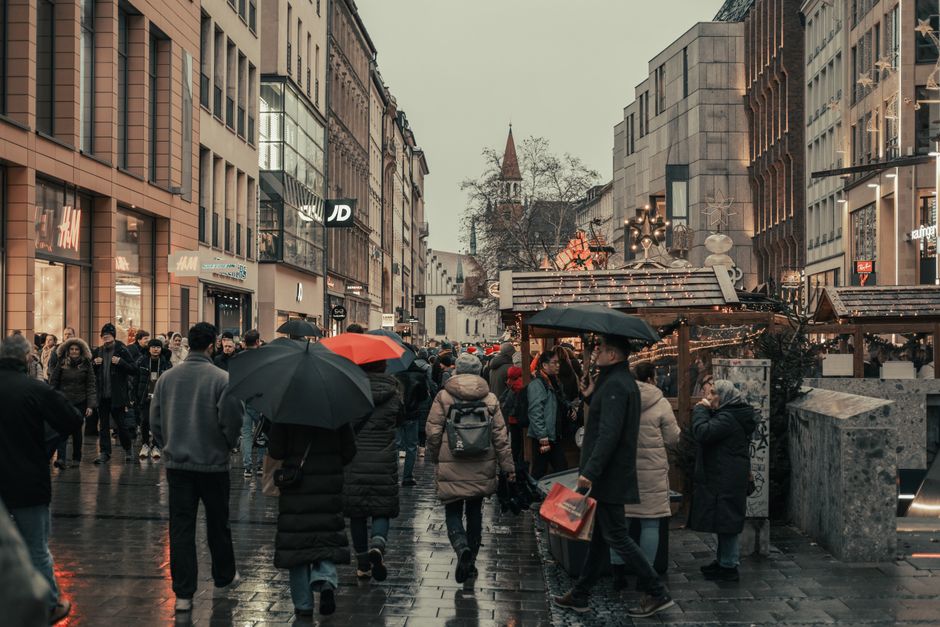
The strongest backup is the one that protects your next reservation and costs the least walking time. Do not rank attractions by fame alone. Rank them by distance, time needed, booking risk, and how well they solve the problem you have at that moment.
| Indoor stop | Best use | Time needed | Booking risk | Route value |
|---|---|---|---|---|
| Covered market | Quick shelter and flexible lunch | 30–90 minutes | Low | High |
| Large museum | Serious weather or tired group | 2–4 hours | Medium to high | High if pre-booked |
| Small gallery | Short cultural stop between districts | 45–90 minutes | Low to medium | Medium |
| Historic church | Quiet pause near a central route | 20–45 minutes | Low | High |
| Cinema or indoor show | Long rain block after dinner | 2–3 hours | Medium | Low unless near transit |
Choose the low-risk stop for a changing forecast
For uncertain rain, choose the covered market or small gallery. These stops let you leave early without feeling that you wasted an expensive ticket. They also work well for mixed groups: one person can eat, another can browse, and nobody has to commit to four hours indoors.
Choose the large museum for a confirmed wet day
For a full day of rain, choose one large museum near the route and reserve a timed entry if required. A major museum earns the travel time because it can absorb an entire afternoon. The clear winner for a bad-weather day is the attraction with indoor seating, food, toilets, and several sections, not the one with the most impressive exterior.
Why the 20-minute rule keeps a rainy route usable
Set a trigger before the weather becomes a problem
Use a simple 20-minute rule: if rain is forecast to continue for 20 minutes or more, move to the nearest planned indoor stop. This prevents the common mistake of waiting for the shower to pass while standing outside a closed attraction or walking farther from shelter. The rule works because rain creates small delays that add up. You stop to check a map, cross a slippery street, remove a wet jacket, and slow down around umbrellas. A route that looks easy on paper can lose 30 minutes without a single major delay.
Set a second trigger for the group. If two people are cold, one person is visibly rushing, or shoes are soaked, switch plans immediately. Do not make the most uncomfortable person argue for shelter. Good route planning protects the whole group’s pace.
Keep the next two decisions visible
At every indoor stop, check only two choices: the next attraction and the best exit. A long list creates indecision, while two choices keep the day moving. If the rain weakens, continue to the next outdoor landmark. If it stays heavy, extend the indoor visit or take lunch nearby. This is also the right time to check opening hours and last entry. Many museums close galleries before the building closes, and smaller attractions may shut earlier on quiet weekdays.
Build a 30-minute buffer before any fixed booking. That buffer covers wet pavement, a wrong entrance, a coat check queue, and a delayed bus. It is more useful than trying to fit one extra landmark into the morning. For a route with one timed ticket, the clear verdict is simple: protect the ticket first and drop the least important outdoor stop.
Build the route around shelter, not the other way around
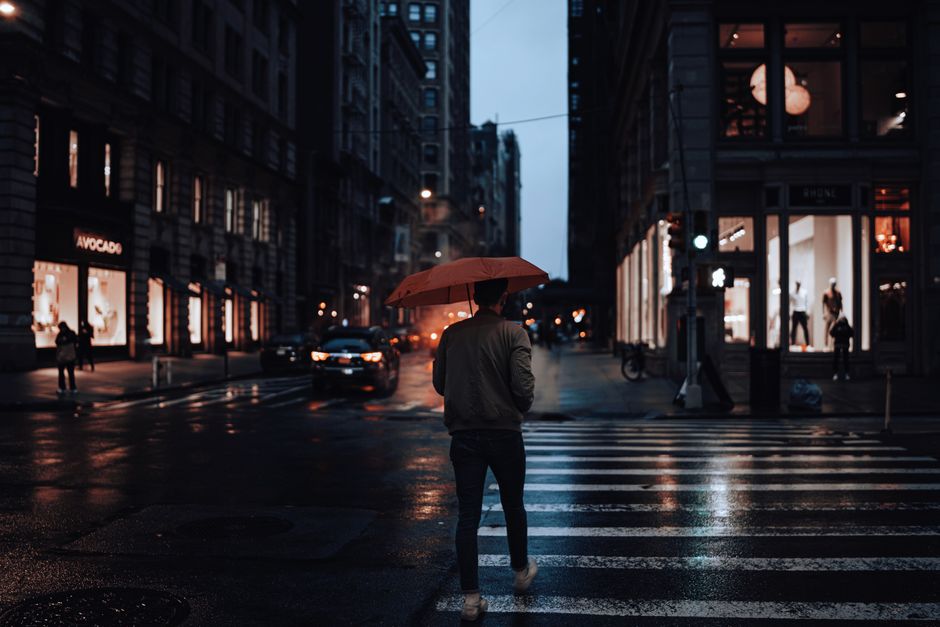
My recommendation is to choose one indoor anchor first, then place outdoor sights around it. This works better than adding a museum after the walking plan is already full because the anchor gives the day a reliable centre.
Use an indoor anchor to divide the day
Place the anchor between two short outdoor blocks. For example, walk through the historic district from 9:30 to 11:30, spend 11:45 to 14:00 inside a museum or covered market, then decide if the afternoon route is still comfortable. If rain becomes heavy, the day still has a complete middle section. If the sky clears, you have not lost the main sights.
Cut the weakest outdoor stop first
When the weather turns, remove the landmark that requires the longest exposed walk or has the least flexible opening time. Keep the sight that is closest to transit or connected to your dinner reservation. This creates a cleaner day than trying to visit every point in the original plan. A shorter route with one strong indoor anchor beats a longer route that leaves everyone wet, late, and annoyed.
What should you do when the obvious attraction is full?
The correct response is to switch to a nearby category, not cross the city for a second famous museum. These questions cover the decisions that usually cause trouble.
What if the museum has sold out timed tickets?
Check for same-day returns, but set a five-minute limit for the search. If no ticket appears, move to a smaller gallery, historic house, library, church, or covered market within 15 minutes. The goal is shelter plus a worthwhile experience. Waiting outside a sold-out museum does neither.
What if the indoor stop is closed?
Use the next backup by function. A food hall can replace a café and shelter stop. A bookshop or public library can replace a short gallery visit. A hotel lobby near the route can provide a dry reset while you recheck opening hours. Keep at least one option that does not require admission or a reservation.
What if children or older travelers cannot keep walking?
Choose the stop with seating, toilets, lifts, and food within the same building. Avoid making the group walk to a second restaurant after the attraction. For this situation, convenience is the deciding factor. A modest indoor venue beside a tram stop is a better choice than a celebrated attraction that requires three wet transfers.
Which free tools make a rainy-day plan easier?
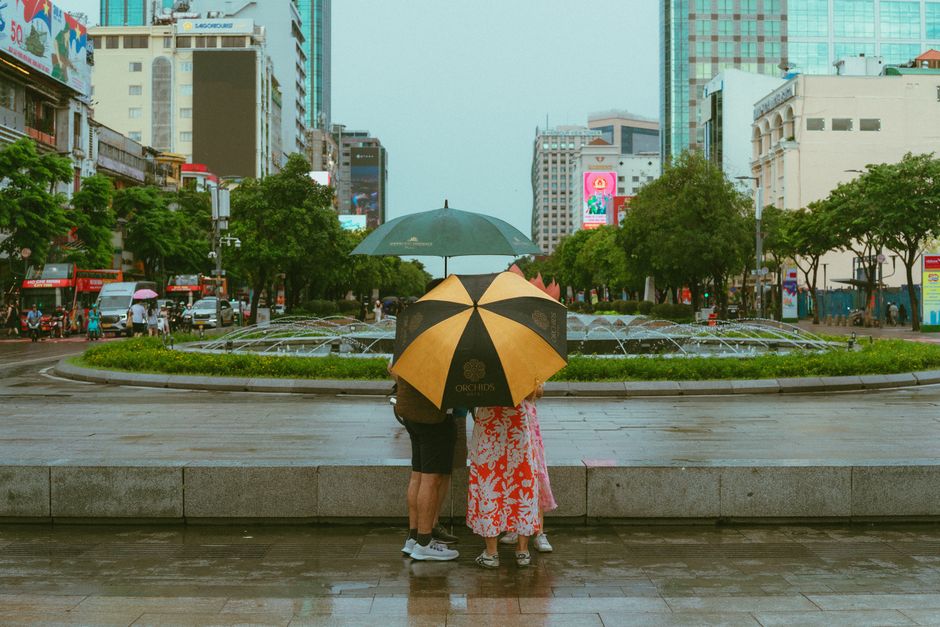
Use apps to confirm the plan, not to replace local judgment. For 2026 trips, the best low-cost setup is Google Maps, Citymapper, and one reliable weather app.
Check walking distance, transit, and opening hours
Google Maps is free and useful for saving the main route, indoor backups, entrances, and nearby transit stops. Download the city area before leaving Wi-Fi so the map remains available if the signal drops. Citymapper’s core app is also free in supported cities and is the better choice for comparing walking, bus, tram, and metro combinations. Check the route from the attraction entrance, not just the building’s address; large museums can have entrances several minutes apart.
Read the forecast by hour, not by day
AccuWeather’s core forecast is free and gives an hourly view that helps you place outdoor walks between showers. The free Met Office app is useful in the United Kingdom for rain radar and local warnings. Apple Maps is free on supported Apple devices and works well as a second check for entrances and nearby transport. None of these tools can guarantee perfect timing, so keep a physical address or screenshot for the next indoor stop.
My final recommendation is specific: save one large indoor anchor, one free-entry shelter, and one food stop within 400 metres of your main route, then use Google Maps for the saved plan and Citymapper for the live transfer. If rain lasts more than 20 minutes, go to the nearest anchor immediately. That setup keeps sightseeing productive without turning the day into a wet-distance contest.