Food Markets in Cool Weather: Taste Without Rushing
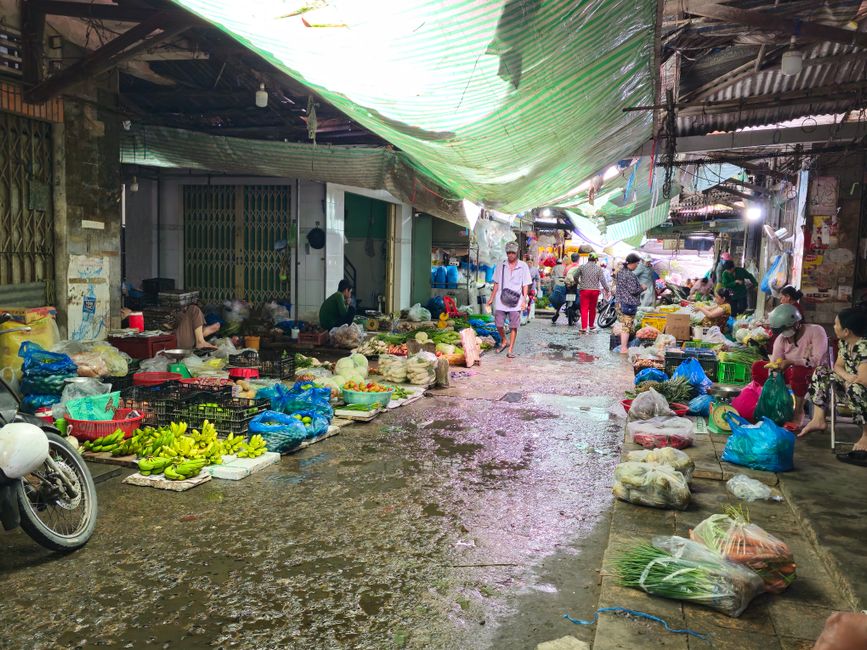
Cool weather gives a food market a different rhythm: fewer melting dishes, less crowded seating, and a better excuse to linger over one hot bowl or pastry. The trick is to plan for comfort without turning lunch into a military schedule.
Why cool weather makes a better market afternoon
The best cool-weather market visit is built around pauses, not maximum coverage. Warm months push visitors toward quick bites, cold drinks, and shade. In cooler conditions, steam stays visible above soup pots, baked goods travel well in paper bags, and a bench becomes part of the meal instead of a place to escape the sun. That changes how much you can notice: the smell of toasted spices, the texture of fresh bread, and the small differences between two vendors selling similar food.
Start with the problem the market solves
A market works best when you treat it as a collection of small meals rather than one large lunch. You are not there to find one perfect restaurant table. You are there to compare, sample, and let the setting shape your route. That means the first decision should answer a practical question: do you want breakfast, a grazing lunch, or ingredients to take back to your room? A breakfast market needs an early arrival and a short route. A grazing market needs empty stomach space and a seat plan. A shopping-focused visit needs a sturdy bag and a final stop near your transport.
Use warmth as a pacing tool
Plan one hot item every 45 to 60 minutes. A cup of broth, grilled corn, stuffed flatbread, or spiced tea gives your hands a reason to slow down and your group a natural meeting point. This works better than ordering five cold snacks at the entrance, because rich food and sugar can flatten your appetite before you reach the stalls that interested you most. Keep the first purchase small. One shared portion gives you information about flavor, queue speed, and portion size without locking the rest of the afternoon.
Give the market room to surprise you
Leave at least 30 minutes with no assigned destination. That empty space matters in a market because the best stall may sit beyond the main entrance, beside a delivery gate, or in a side arcade that guidebooks barely mention. A rigid route turns every delay into a problem. A flexible route lets you stop when a baker opens a tray, a vendor offers a sample, or a line moves faster than expected. My clear verdict: in cool weather, a three-hour visit with four planned stops beats a two-hour sprint through twelve stalls.
How to plan a market route without rushing
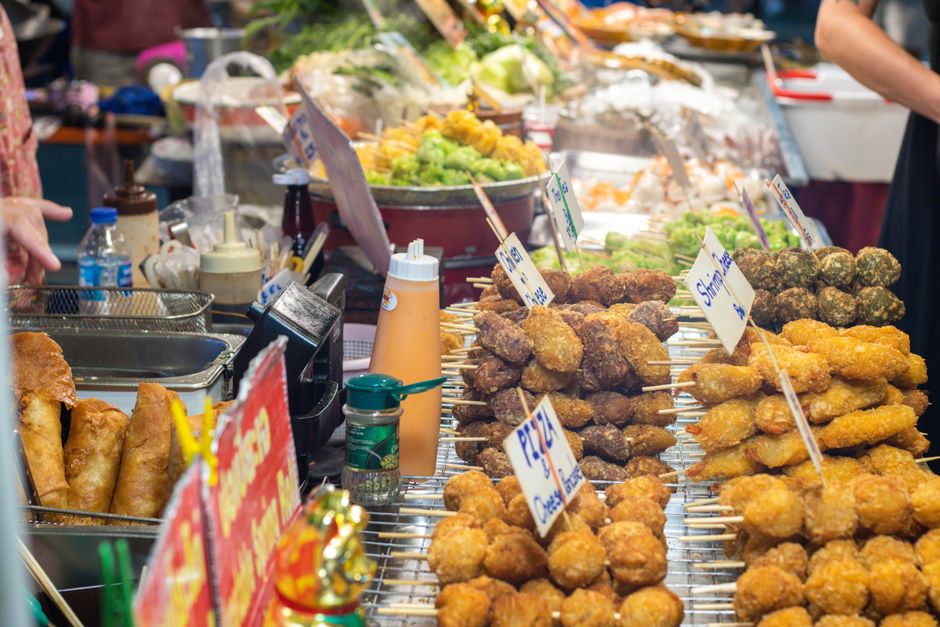
Choose a loop with three food stops, one warm drink, and a planned sitting break. That structure gives you enough direction to avoid wandering while preserving the relaxed pace that makes a cool-weather market enjoyable. Check the market opening hours, but do not assume every vendor starts at the same time. Produce sellers may arrive before prepared-food counters, while evening stalls may not reach full volume until after 5 p.m.
A practical three-hour schedule
| Time | Activity | What to buy | Why it works |
|---|---|---|---|
| 12:00 | Walk one full circuit | Nothing, or one small sample | You learn prices, queues, smells, and seating locations before spending your appetite. |
| 12:25 | First tasting stop | One savory item to share | A warm dish sets the pace and helps you judge portion sizes. |
| 1:05 | Seated break | Tea, coffee, or broth | Ten quiet minutes prevents cold hands and rushed ordering. |
| 1:25 | Second tasting stop | One contrasting item | Choose a different texture or cooking method rather than a second fried snack. |
| 2:00 | Flexible discovery time | Fruit, pastry, or a local specialty | You still have room for a stall that was not on the original route. |
| 2:35 | Final purchase | One portable item for later | You finish with food that can survive the walk, train, or hotel room. |
How to handle queues and opening times
Mark two backup stalls before you arrive. If the popular dumpling counter has a 35-minute line, move on and return later rather than standing in the cold with no food. Ask vendors when their next batch comes out; a ten-minute wait for fresh pastries often beats buying a tray that has sat uncovered for an hour. Carry a small amount of cash, but keep one contactless payment option ready because some stalls switch payment methods during busy periods.
The strongest route also respects geography. Put the farthest stall first, then work back toward your hotel, station, or next attraction. Save fragile purchases for the end. This single choice prevents crushed pastries, leaking sauces, and the awkward decision to carry a hot soup across town.
How to taste more while buying less
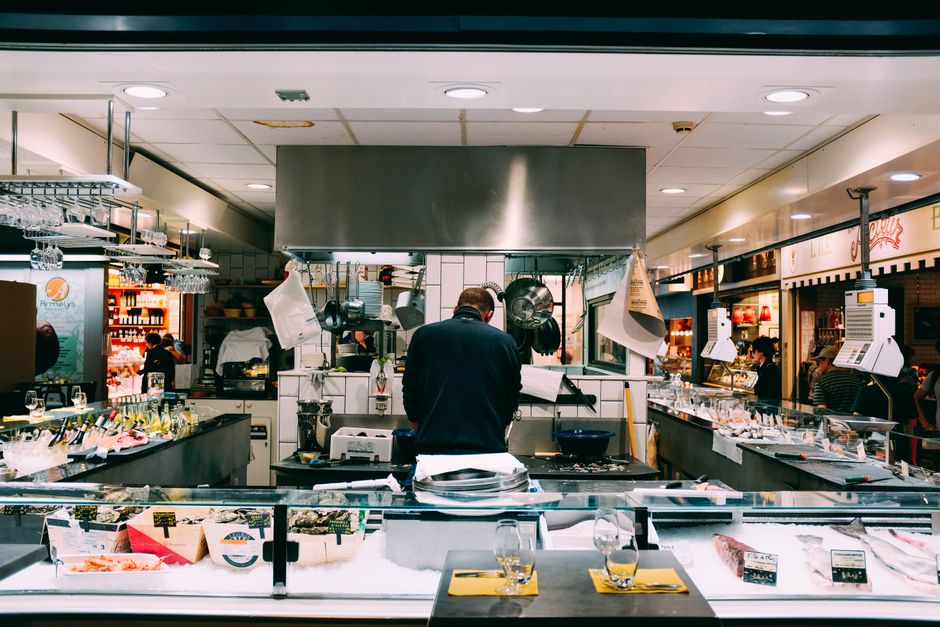
Order by contrast, not by impulse. The fastest way to lose your appetite is to buy three versions of the same rich food before you understand the portions. Use a small tasting sequence and share almost everything.
A five-step tasting method
- Scan before spending. Walk the main aisle and note three foods that differ in temperature, texture, and preparation. A hot soup, a crisp pastry, and a fresh salad create a better meal than three fried snacks.
- Ask about portion size. Vendors often have a small serving, a half portion, or a piece sold by weight. Use those options for the first round. You can always return for more, but you cannot un-eat an oversized lunch.
- Share the first bite slowly. Give each person a chance to taste before adding sauces or chili. The plain version tells you more about the ingredient and the vendor’s cooking.
- Write down the winners. Use a phone note with the stall name, dish, price, and opening hours. This prevents the common mistake of remembering a great flavor but forgetting where it came from.
- Keep one slot open. Save room for a final item chosen after you know the market. That last purchase often becomes the most memorable because it responds to what you actually saw, not what you planned at home.
How to manage dietary limits
Ask direct questions before ordering: Does this contain peanuts? Is the broth made with meat? Was the food cooked in the same oil as fish or shellfish? Pointing to an ingredient helps when language gets in the way. Do not rely on a vague “vegetarian” label if the dish uses fish sauce, lard, or a shared grill. If the vendor cannot answer clearly, choose a visibly simple item such as whole fruit, plain bread, or a dish prepared in front of you.
For groups, give each person one personal choice and make the rest shared. That keeps the bill under control and prevents one person from carrying six containers for the next two hours.
Which food market style fits your day?
Is a covered market better in cold or wet weather?
Yes, choose a covered market when rain, strong wind, or temperatures below about 8°C would make outdoor seating unpleasant. Covered halls usually offer more stable cooking conditions and easier access to restrooms, seating, and public transport. The trade-off is noise and tighter crowds. Go early, walk one circuit, and choose a stall with visible turnover. For a dry day around 10–15°C, an outdoor market gives you more room and a stronger sense of place, so it wins for a relaxed afternoon.
Should you choose a farmers market or a street-food market?
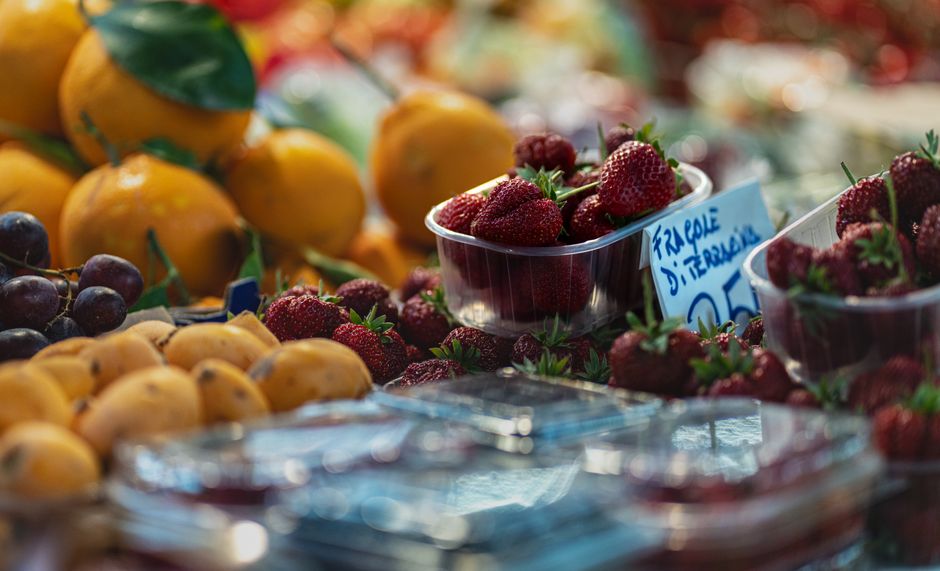
Choose a farmers market when you want ingredients, bread, cheese, fruit, or a picnic assembled slowly. Choose a street-food market when the main goal is a hot meal and several regional specialties. The farmers market suits travelers with a kitchen, apartment, or picnic plan. The street-food market suits a short city break where you want to eat immediately. Neither format needs a long itinerary; two strong purchases and a warm drink can fill an afternoon better than constant sampling.
What is the best final stop?
Finish with a portable item that reflects the place and survives travel: a wrapped pastry, spice blend, sealed preserve, or loaf of bread. Avoid a final bowl of soup unless you can eat it nearby. My overall pick is a cool, dry afternoon at an outdoor market with three shared tastings, one seated drink, and one take-home item. That format gives you flavor, context, and enough unplanned time to notice what makes the market local. As more travelers seek slower ways to eat in cities, cool-weather markets will keep rewarding people who leave a little room in the schedule.