Travel Tips Germany: Germany Travel Tips: Plan Better, Spend Less

The best Germany travel tip is simple: build your trip around two or three regions, not the entire country. Germany rewards slower travel. Berlin, Munich, Hamburg, Cologne, the Rhine Valley, and the Black Forest each deserve more time than a rushed checklist allows. Choose a sensible route, learn the difference between local and long-distance trains, and leave room for weather delays. You will spend less time dragging luggage between stations and more time enjoying the places you came to see.
Which German cities belong on your first trip?
Match the route to the kind of trip you want
Germany does not have one single “best” itinerary. Berlin suits travelers who want museums, nightlife, history, and a large urban scene. Munich works better for elegant architecture, Bavarian food, nearby lakes, and easy day trips. Hamburg brings a maritime feel, while Cologne makes a strong base for the Rhine and western Germany. For castles and vineyard scenery, the Rhine Valley beats another night in a major city.
| Route | Ideal length | Best for | Travel style |
|---|---|---|---|
| Berlin and Dresden | 5 to 6 days | History, museums, creative neighborhoods | Urban and cultural |
| Munich and Bavarian lakes | 5 to 7 days | Food, old towns, mountains | City plus nature |
| Cologne and the Rhine Valley | 4 to 6 days | Cathedrals, castles, wine towns | Relaxed regional travel |
| Hamburg and Lübeck | 4 to 5 days | Harbors, seafood, Hanseatic history | Compact city break |
| Frankfurt and the Black Forest | 6 to 8 days | Easy arrival, villages, hiking | Mixed city and countryside |
My strongest first-trip recommendation
For seven days, choose Munich with two nights in a smaller Bavarian base, or Berlin with a day trip to Dresden. These routes offer variety without forcing you to cross the country every morning. Skip the temptation to add Hamburg or the Rhine unless you can spare at least three extra nights. A new city every day sounds productive on paper, but station time, check-in windows, and luggage storage quietly consume the trip.
How can you use German trains without wasting time?
Know which ticket covers which train
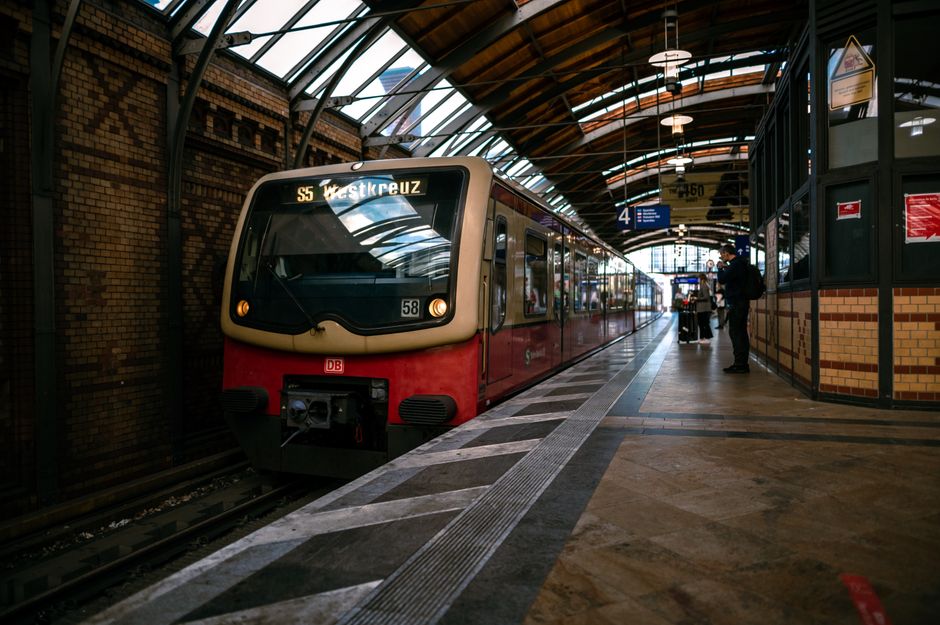
German rail travel becomes much easier once you separate regional service from long-distance service. The Deutschland-Ticket covers local and regional buses and trains across Germany, but it does not cover ICE, IC, or EC long-distance trains. That makes it useful for slow scenic routes, city transport, and day trips, but a poor choice when your plan depends on fast cross-country travel. Check the current monthly price and cancellation rules before buying because ticket conditions can change.
For long journeys, compare standard fares with advance fares on Deutsche Bahn. An early saver ticket can cost less, but it usually ties you to one specific train. A flexible ticket costs more and protects you if your schedule may change. For repeated rail travel, the BahnCard 25 gives a 25 percent discount on eligible fares. It earns its place only when you expect enough paid journeys to recover the card cost.
Use the app, then check the station board
The DB Navigator app shows routes, platform information, delays, cancellations, and mobile tickets. Save your booking offline before leaving hotel Wi-Fi. German stations can change platforms shortly before departure, so treat the app as a useful alert rather than your only source. Check the main departure board when you arrive, especially at large stations such as Frankfurt Hauptbahnhof, Munich Hauptbahnhof, and Berlin Hauptbahnhof.
Build a buffer into every connection
Do not book a five-minute connection because the schedule says it works. Aim for at least 20 minutes in a familiar station and 35 to 45 minutes in a large station or when changing from a regional train to an ICE. If your route includes a flight, arrive at the airport several hours early and avoid a same-day rail connection that leaves no recovery time. The best rail plan is the one that still works after one delayed train.
What should you reserve before arriving in Germany?
Which bookings deserve early attention?
Reserve accommodation first in Berlin, Munich, and Hamburg when your dates overlap with festivals, trade fairs, major football matches, or school holidays. Prices can rise sharply, and the best-connected rooms disappear before the cheapest rooms do. Pick a location near a U-Bahn, S-Bahn, or tram stop rather than choosing a hotel solely by its walking distance to one landmark.
Which attractions need a timed entry?
Book timed tickets for popular museums, major castles, and special exhibitions when the attraction limits daily entry. Neuschwanstein Castle, for example, works better with a planned arrival because the transfer from the village to the castle takes time and the entry slot controls the visit. Do not pre-book every hour of a city break. Keep one open afternoon for a market, a neighborhood walk, or a weather change.
Restaurants in busy central areas often accept reservations, but smaller cafés and traditional beer halls may rely on walk-ins. Learn a few useful phrases such as “Ein Tisch für zwei, bitte” and “Die Rechnung, bitte.” Polite, direct communication solves more travel problems than a perfect schedule.
Which Germany travel mistakes cause the most trouble?
The five errors to avoid
- Trying to see too much. Berlin to Munich is a long transfer, not a quick hop. Count travel time as part of the day.
- Assuming every shop opens late. Many supermarkets and smaller stores close earlier than visitors expect, and Sunday shopping options remain limited in many places.
- Carrying only cards. Cards work widely, but small cafés, bakeries, lockers, and local businesses may still prefer cash. Carry a modest amount of euros.
- Standing on the wrong side of an escalator. Stand right and let people pass on the left. It is a small rule that prevents needless friction in stations.
- Ignoring local transport zones. A regional ticket may cover the train but not every extra bus, tram, or city zone. Read the conditions before boarding.
The mistake that damages a whole itinerary
The costliest error is placing a demanding day trip immediately after a late arrival. Your first day should absorb airport queues, luggage delays, and jet lag. Put the castle, mountain hike, or early museum booking on day two or three instead. This one change makes the trip feel calmer without adding a single night.
What should you pack for changing German weather?
Pack for movement, not for a perfect forecast
Germany’s weather can shift within one day, especially in spring and autumn. Pack comfortable waterproof shoes, a light rain shell, one warm layer, and clothes that dry quickly. A heavy coat often becomes annoying on trains and indoors, while a thin layer system works across cities, forests, and chilly evenings. Add a compact umbrella if you have space, but do not let it replace a proper rain layer for long walks.
Keep your passport, bank card, phone charger, and any rail ticket in one accessible pocket. A small day bag works better than a large backpack when you use crowded stations and museum cloakrooms. For hiking around the Black Forest or Bavarian foothills, use Komoot to download a route before leaving mobile coverage. For city navigation, save key places and offline maps in Google Maps, then confirm opening hours on the attraction’s own website.
My practical packing verdict
Choose one pair of walking shoes, one weatherproof outer layer, and a small bag that fits under a train seat. That combination beats bringing special clothing for every possible activity. Pair it with DB Navigator for rail updates, keep a cash backup, and plan two flexible blocks in the itinerary. For most first-time visitors, a focused Munich or Berlin route with regional day trips is the smartest Germany plan: it gives you culture, food, scenery, and breathing room without turning the holiday into a transport challenge.