Backpacking Southeast Asia 2026: Backpacking Southeast Asia in 2026: Still Cheap or Priced Out?
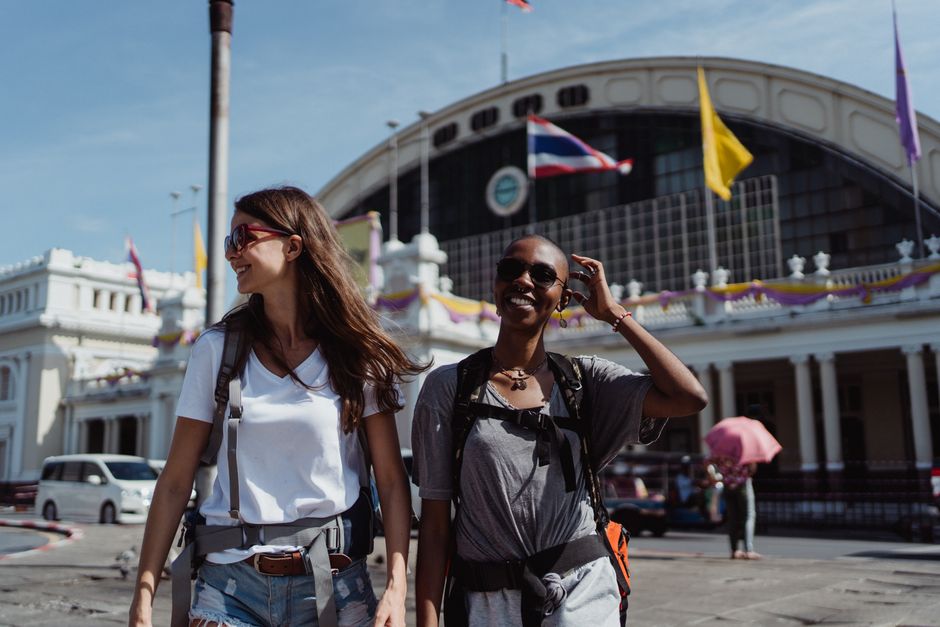
You’ve seen the headlines. “Thailand is dead for backpackers.” “Vietnam got expensive.” “You need $50 a day now.” I spent 14 months on the road across six Southeast Asian countries in 2026 and 2026. Here’s what I actually spent — not what Instagram influencers claim.
What $30 a Day Actually Buys You in 2026
The old backpacker rule of thumb — $30 per day covering everything — is still alive, but it has limits. I tracked every expense for three months across Thailand, Vietnam, Laos, and Cambodia using the app TravelSpend (free, iOS/Android). Here’s where that $30 goes in 2026.
| Expense | Thailand (Chiang Mai) | Vietnam (Hoi An) | Laos (Luang Prabang) | Cambodia (Siem Reap) |
|---|---|---|---|---|
| Dorm bed (hostel) | $6–$10 | $5–$8 | $4–$7 | $5–$9 |
| Street food meal | $1.50–$3 | $1–$2.50 | $1–$3 | $1.50–$3 |
| Local bus (2hr) | $2–$4 | $2–$3 | $2 | $3–$5 |
| Beer (local) | $1.50–$3 | $0.50–$1.50 | $1–$2 | $0.75–$1.50 |
| Attraction entry | $3–$15 | $2–$8 | $2–$5 | $5–$37 (Angkor) |
The honest verdict: $30 a day works if you sleep in dorms, eat street food, skip the islands, and travel overland. Add in one flight, a nicer hotel every five days, or a scooter rental, and you’re closer to $40–$45. The places that got expensive are the tourist traps — Khao San Road, Railay Beach, and the Full Moon Party circuit. Go inland, go north, go rural, and your money stretches.
The Three Biggest Cost Shifts Since 2026
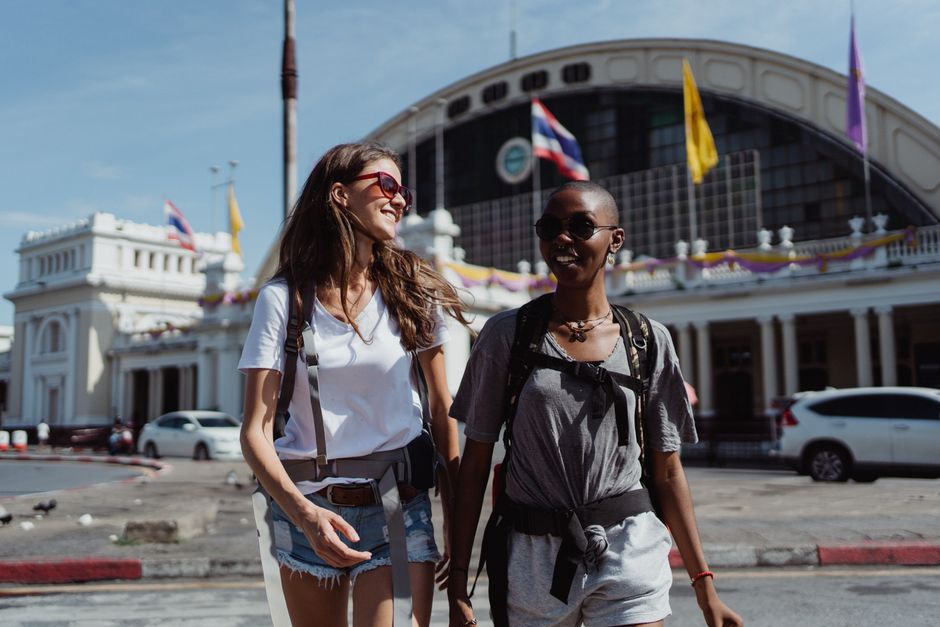
Visa costs and entry rules
Thailand’s visa-exempt entry dropped from 45 days to 30 days in 2026. Vietnam now charges $25 for a 30-day e-visa (up from $15). Laos and Cambodia are stable at $35–$40 on arrival. Factor in $50–$80 in visa costs per month if you’re country-hopping. The app iVisa (free to check, $20+ for processing) shows real-time requirements.
Transportation creep
Domestic flights in Thailand with AirAsia and Nok Air cost $25–$50 for an hour-long hop — up about 20% from 2026. The sleeper trains from Bangkok to Chiang Mai still run $12–$20 for a second-class fan seat. The real winner? 12Go Asia (free app) lets you book buses, trains, and ferries across all six countries with transparent pricing.
Accommodation quality vs. price
Dorm beds in Bangkok’s backpacker zones hit $12–$15 in peak season (December–February). But open Hostelworld or Agoda and filter by “$8 and under” — you’ll find clean dorms in Chiang Mai, Luang Prabang, and Hoi An for $5–$7. The trick? Book two nights at a time. Most hostels on Agoda offer 15% off for 2+ night stays.
What hasn’t changed: Street food prices. A bowl of pho in Hanoi costs $1.50. Pad Thai in Bangkok costs $2. A beer in Vang Vieng costs $1. That’s the same as 2019.
How to Keep Your Daily Spend Under $25
I lived on $23.50 per day for six weeks. Here’s the exact system.
- Eat where locals eat. If the menu has English and pictures, it’s priced for tourists. Walk two blocks away. I ate at a market stall in Chiang Mai — khao soi for $1.20, no English sign, 12 locals eating there.
- Travel overnight. A night bus from Bangkok to Chiang Mai costs $10 and saves a night’s accommodation. Vietnam’s sleeper buses (Futa Bus Lines, $7–$12) are comfortable enough to sleep through. Use 12Go Asia to book overnight routes.
- Use Grab instead of tuk-tuks. Tuk-tuk drivers in Bangkok quoted me 300 baht ($8.50) for a 10-minute ride. The Grab app (free, works in Thailand, Vietnam, Indonesia, Cambodia) showed 89 baht ($2.50). Same route. Same time. Always check Grab first.
One more thing: Skip the tourist islands unless you have extra cash. Koh Phi Phi and Koh Samui cost 2x the mainland. Instead, head to Koh Lanta (Thailand) or Cat Ba Island (Vietnam) — same beaches, half the price.
The One Thing That Costs Way More Than You Think

It’s not accommodation. It’s not food. It’s alcohol and activities in tourist-heavy zones.
A cocktail on Khao San Road: $6–$8. A scooter rental in Pai: $7–$10 per day. A scuba diving course in Koh Tao: $350–$450. A guided trek in Sapa: $50–$80 for two days. These add up fast. I met travelers who blew $100 in a single night on Khao San Road — that’s four days of my budget.
The fix: Buy beer at 7-Eleven ($1.20 for a large Chang) instead of bars. Rent a scooter directly from a local shop (skip the hostel markup — they add $3–$5). Book group tours through Klook or GetYourGuide instead of walk-up agencies — I saved 30% on a Ha Giang loop tour by booking three days ahead on Klook.
When NOT to buy a tour: If you can DIY it, do. A bus to Angkor Wat costs $2 from Siem Reap. The entry pass costs $37. A guided tour costs $50–$70. You don’t need a guide. Download the free app Angkor Guide (iOS/Android) for audio tours.
Vietnam vs. Thailand vs. Indonesia — Where Does Your Money Go Furthest?
I spent one month in each country in 2026. Here’s the breakdown.
Vietnam: Cheapest overall. My daily average was $21.50. Dorm beds in Hanoi and Hoi An: $5–$7. Street food: $1–$2.50. Bus travel: $2–$5 for 4-hour trips. The downside? Visa costs ($25) and the chaos of crossing streets in Ho Chi Minh City. Verdict: Best for long-term budget backpackers.
Thailand: Most expensive of the three, but also the easiest. Infrastructure is polished. English is common. My daily average was $32. The north (Chiang Mai, Pai, Mae Hong Son loop) is where your money works — $8 dorms, $1.50 meals. The south (islands, Phuket) will drain your wallet fast. Verdict: Best for first-time backpackers who want comfort and convenience.
Indonesia (Bali and Lombok): Bali is overpriced. A dorm in Canggu costs $15–$20. A smoothie bowl costs $6. But Lombok, Gili Islands, and Sumatra are cheap. My daily average in Lombok was $25. Verdict: Skip Bali. Go to Lombok or Sumatra for real value.
The Biggest Mistake Backpackers Make in 2026
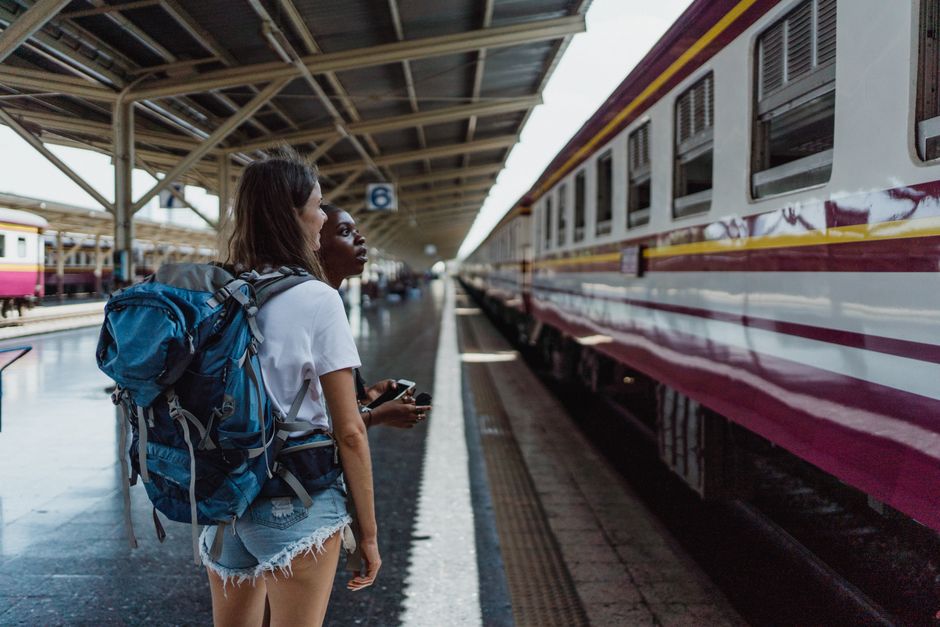
They fly everywhere.
Flights eat your budget. A round-trip flight from Bangkok to Chiang Mai costs $60. A night bus costs $10. A flight from Ho Chi Minh City to Hanoi costs $45. A 30-hour train costs $25. The train takes longer but you save a night’s accommodation and get a sleeper bed.
My rule: Only fly if the overland route takes more than 12 hours. Otherwise, take the bus or train. I used Rome2Rio (free, web and app) to compare every route — it shows price, time, and booking links for buses, trains, and ferries.
Second mistake: Not haggling at markets. Vendors in Bangkok’s Chatuchak market quoted me 500 baht ($14) for a shirt. I walked away. The vendor called me back at 150 baht ($4.20). That’s a 70% discount. Always offer 50% of the first price and go from there.
Backpacking Southeast Asia in 2026 is still affordable. It costs $30–$40 a day if you’re smart, $25 or less if you’re disciplined. The cheap days aren’t gone — they’re just hiding in the places tourists don’t go.