Finding Cheap Flights from Raleigh: My Hard-Earned Lessons
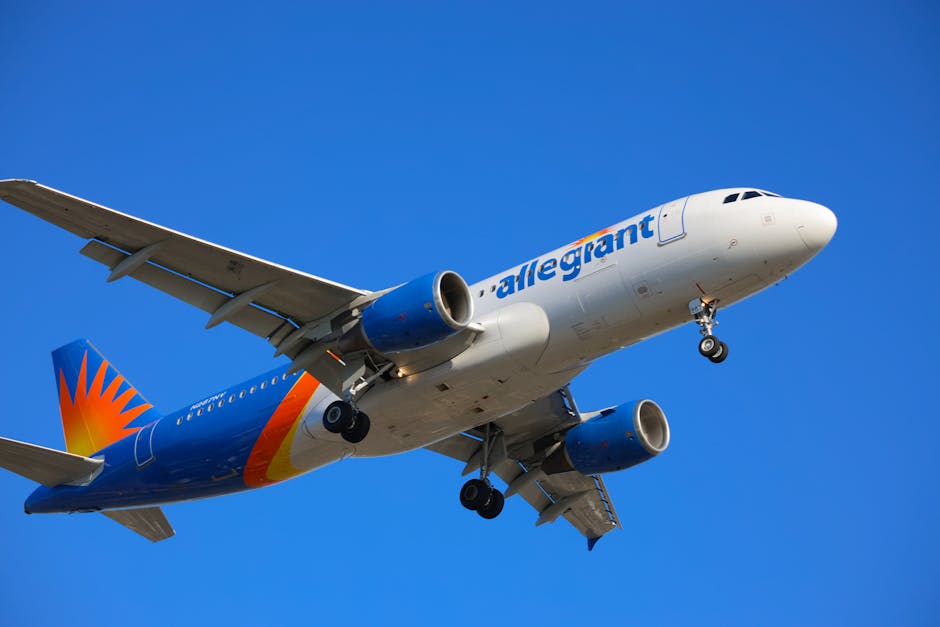
Looking for cheap flights out of Raleigh-Durham International Airport (RDU)? Trust me, I’ve been there. For years, I just clicked around aimlessly, hoping for a miracle. Then I started paying attention. I track prices from RDU relentlessly, and I’ve figured out a few things. You can absolutely find great deals from our local airport, but you need a strategy. This isn’t about luck; it’s about understanding the game.
The Absolute Best Time to Book from RDU
My biggest takeaway, after watching RDU prices for over a decade, is this: there’s no single magic day or hour. Anyone who tells you Tuesday afternoon is always cheapest isn’t paying attention to real-world data. It’s more nuanced than that. The real sweet spot for booking cheap flights from RDU consistently falls into a few key windows. It’s about how far out you book, not what day of the week you hit ‘purchase’.
For domestic flights out of RDU, I’ve found the best deals usually pop up between **1 to 3 months before your departure date**. Push it too much further out, and the airlines haven’t settled on their pricing tiers yet. Wait until the last minute, and you’re paying for their inconvenience. For international travel, that window stretches significantly. You’re looking at more like **2 to 8 months in advance** for destinations across the pond or south of the border. Seriously, don’t wait till three weeks before your trip to Mexico thinking you’ll snag a bargain. That ship sailed months ago.
Now, about the specific day of the week to *depart* or *return*. This is where some old wisdom still holds water. Flying on a Tuesday, Wednesday, or Saturday is almost always cheaper than flying on a Friday or Sunday. Period. The business travelers are gone, and the weekend warriors haven’t started their trips yet. If you can be flexible with your travel days, even by a day or two, you’ll see significant savings on RDU routes.
Why Weekend Flights Cost More
It’s basic supply and demand. Everyone wants to maximize their time off. Most people work Monday to Friday, so they want to leave Friday evening and return Sunday. Airlines know this. They hike prices for those peak travel days because they know people will pay. If you can shift your vacation by starting mid-week, you’ll avoid the premium. I often fly out Wednesday and come back Saturday for short trips, and it’s consistently hundreds less than a Friday-Sunday trip.
The “Should I Book Now?” Dilemma
This is the question that haunts everyone. My rule of thumb for RDU: if you find a price that feels genuinely good – like, “I’d be happy to pay that” good – book it. Don’t agonize for days hoping it drops by another $20. More often than not, it will jump. I’ve missed out on too many good deals waiting for the ‘perfect’ price. Set a price alert, but when it hits your acceptable range, pull the trigger. Flights rarely go from “good” to “amazing” and stay there.
Decoding Flight Pricing: Why It Changes So Much

Ever notice how you check a flight price, refresh, and it’s different? Or you tell a friend about a deal, and by the time they look, it’s gone? It’s not just you. Flight pricing from RDU, and everywhere else, is a black box driven by incredibly complex algorithms. Understanding a few core concepts can save you a lot of frustration, and money.
Airlines use dynamic pricing. This isn’t like buying a gallon of milk where the price is set. Think of it more like a stock market for seats. Prices fluctuate based on a mind-boggling array of factors: demand for that specific route, time of year, day of the week, competitor pricing, fuel costs, how many seats are left on the plane, and even your browsing history. Yes, they sometimes track you. If you keep checking the same flight, the price might mysteriously go up, pushing you to buy out of fear of it rising further. That’s why clearing your cookies or using an incognito window isn’t just paranoia; it’s a smart move.
Another big factor is “fare buckets.” Airlines don’t just sell all seats at one price. They have different classes of fares, even within economy. There might be 10 seats at $150, then 15 seats at $200, then 20 seats at $250, and so on. When the cheapest bucket sells out, the price jumps to the next available bucket. This is why sometimes if you try to book two tickets together, and only one seat is left in the cheapest bucket, the system will quote you the higher price for *both* tickets to keep them grouped. Try booking one at a time sometimes, then see if the second one is available at the lower fare. It’s a trick I’ve used more than once.
The Impact of Major Events
Whenever there’s a major sporting event, a big convention, or a holiday period in your destination city (or even in Raleigh), expect prices to surge. This isn’t just about people flying *to* the event; it’s about the general increase in travel around those times. Spring break, Thanksgiving, Christmas – these are non-negotiable price hikes. If your travel dates are flexible, avoiding these peak periods is the single best way to save money, regardless of where you’re flying from. I once saw RDU flights to Orlando quadruple during a specific week in March because of a massive industry conference there. It wasn’t even Spring Break, just pure event demand.
The Myth of Off-Season Travel
While off-season travel often means lower prices, it’s not a guarantee. Some destinations might have a “shoulder season” – just before or after peak season – where weather is still good but crowds and prices drop. But for truly off-season travel, you might save money on flights only to find that attractions are closed, weather is terrible, or local transportation is reduced. Always weigh the total experience against the flight savings. A cheap flight to a miserable experience isn’t really a deal.
RDU’s Direct Low-Cost Carriers: A Reality Check
Let’s talk about the low-cost airlines that fly directly from RDU. They can be incredibly cheap. But there’s a catch, or usually, several catches. My advice: go into it with your eyes wide open. Don’t expect a premium experience when you’re paying budget prices. I’ve flown them all, and I’ve learned precisely where they save money, and where you’ll end up paying if you’re not careful.
-
Frontier Airlines: The Bare Bones Basics
Frontier is often the cheapest option out of RDU, no doubt about it. I’ve seen round-trip flights to Florida for under $50. But that price gets you a seat and literally nothing else. They charge for everything: carry-on bags, checked bags, seat selection, even a bottle of water. Their “Basic” fare is exactly that. If you bring a personal item that fits under the seat, you might escape baggage fees. Otherwise, you’re paying. And those seats? They don’t recline. Not even a little. The legroom is tight. If you prioritize price above all else, and you pack light (like, *really* light), Frontier can be amazing. Just understand what you’re buying. -
Spirit Airlines: The Purple Price Tag
Spirit is another major low-cost player at RDU. Similar to Frontier, their base fares are rock bottom, but they nickel and dime you. Their “Big Front Seats” are often a decent upgrade if you want more space without paying for a traditional first-class ticket, but they’re still not cheap. Baggage fees are the biggest trap. If you don’t prepay online, expect to pay significantly more at the airport. I once saw a guy pay $100 for a carry-on at the gate because he didn’t realize. Always, always check their baggage policy and prepay any bags you need. Their planes are often full of people who are on vacation, so don’t expect quiet. -
Breeze Airways: A Newer Contender
Breeze has been adding more routes from RDU, often to underserved cities. They have a slightly different model with “Nice,” “Nicer,” and “Nicest” bundles. “Nice” is essentially the Frontier/Spirit model. “Nicer” includes a checked bag and a carry-on, and “Nicest” includes all that plus extra legroom and a meal. Sometimes, a “Nicer” fare on Breeze can be comparable to a legacy carrier’s basic economy, but with more flexibility. I find Breeze to be a slightly more comfortable experience than Frontier or Spirit, but you still need to be diligent about comparing the total price once you add in any extras you need.
Baggage Fees Demystified
This is where most people get caught. A "cheap" $50 flight can easily become a $150 flight if you need a carry-on and don’t prepay. Always assume baggage is extra on these airlines. Check their specific sizing and weight restrictions. A bag that passes as a “personal item” on one airline might be a “carry-on” on another, costing you $60. Measure your bag. Weigh your bag. Do it before you leave home.
Seat Selection: Skip It
Unless you absolutely, positively need to sit next to someone specific, or have a medical reason for an aisle, skip paying for seat selection on low-cost carriers. They will assign you a seat for free at check-in. Yes, you might get a middle seat. But you’re flying for cheap. Embrace the middle seat for an hour or two. That $20-$40 you save on seat selection can be put towards something much more valuable, like a decent meal at your destination.
My Secret Weapon for Last-Minute Deals

Forget everything I said about booking early for a second. Sometimes, you need a last-minute flight out of RDU, and you’re staring down absurd prices. My secret weapon? **Skiplagged.**
I know, some people will tell you it’s risky, or airlines don’t like it. But for true last-minute panic pricing, it can be a lifesaver. Skiplagged finds “hidden city” fares where your destination is a layover on a cheaper, longer route. You book the longer route and simply get off at the layover city. Just make sure you only bring a carry-on, because checked bags will go to the final destination. I’ve saved hundreds of dollars this way when I needed to get somewhere from RDU on short notice. It’s not for everyone, but when you’re desperate, it works.
RDU vs. Nearby Airports: Is the Drive Worth It?

This is a debate I have with myself almost every time I travel. Raleigh-Durham is convenient, but sometimes the price difference to fly out of a nearby airport is just too compelling to ignore. You have to do the math on the total cost and the total time. My personal take: it’s often worth the drive for international flights or for really long domestic trips, but less so for quick weekend getaways.
Here’s how I break it down when considering alternatives to RDU:
| Airport | Typical Drive Time from Raleigh (approx.) | Parking Costs (daily avg.) | Typical Savings (vs. RDU) | Best For |
|---|---|---|---|---|
| RDU (Raleigh-Durham) | 0-45 min | $10-$15 | N/A (Baseline) | Convenience, short trips, direct flights |
| PTI (Piedmont Triad, Greensboro) | 1 hr 15 min | $8-$12 | $50-$150 | Domestic flights, some budget carrier deals, less crowded |
| CLT (Charlotte Douglas) | 2 hr 30 min | $10-$20 | $100-$300+ | International flights, wide range of domestic routes, major hub connections |
| RIC (Richmond International) | 2 hr 15 min | $7-$10 | $50-$200 | Northeast corridor, specific budget airline routes, smaller and easier to navigate |
For me, PTI is a viable option if the savings are at least $50 per person on a domestic flight. The drive is easy, parking is cheaper and often less of a hassle than RDU. I’ve used PTI for flights to Atlanta or Chicago when RDU was charging double. It’s not always a huge difference, but it’s worth checking.
Charlotte (CLT) is a different beast. It’s a major hub. This means more direct flights, more airline options, and often significantly lower prices, especially for international travel or destinations that require a connection. The downside? That 2.5-hour drive each way. Factor in gas, wear and tear on your car, and the time commitment. I only make the CLT drive if the savings are substantial – usually $150-$200 per person or more. For a family of four, saving $600 on flights makes a long drive a lot more palatable. Plus, sometimes an early morning flight out of CLT means an overnight stay near the airport, which adds to the cost.
Richmond (RIC) is a dark horse. It’s a slightly longer drive than PTI, but I’ve found it can offer surprising deals, particularly to cities in the Northeast or if a specific budget carrier (like Breeze, which has expanded there) has a route that RDU doesn’t. It’s a smaller, less stressful airport than CLT, which is a big plus.
Ultimately, the decision to use a nearby airport comes down to your priorities. Is the extra time in the car worth the money saved? For me, the answer is often yes, especially for longer trips where the savings amplify. Always check all your options before committing to RDU out of habit.
Finding cheap flights from Raleigh isn’t a pipe dream. It takes patience, a bit of strategy, and knowing where to look. Once you get the hang of it, you’ll wonder why you ever paid full price.