Florida Hotel Deals: Secure Your Best Stay | TravelGuide
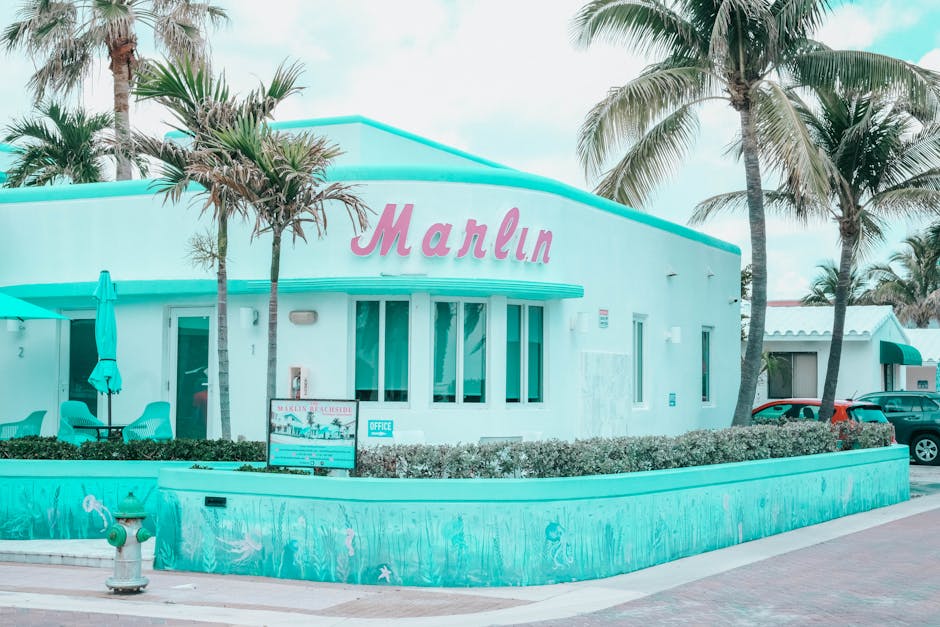
Planning a Florida vacation involves navigating various costs, and lodging often takes the largest chunk. High demand across popular destinations means hotel prices can quickly inflate. This guide lays out the exact steps and tools you need to secure significant discounts on hotels throughout the Sunshine State.
Master Timing for Florida Hotel Savings
Timing your booking is the single most impactful factor for securing lower hotel rates in Florida. The state’s tourism ebbs and flows dramatically with seasons, major events, and school holidays. Understanding these patterns allows you to strategically reserve your room when prices are at their lowest.
Best Booking Windows
For most Florida destinations, booking two to three months in advance typically yields the best rates. This window allows you to grab early-bird discounts before demand surges. If you wait too long, rooms become scarce, and prices climb. For popular spots like Orlando near Walt Disney World or South Beach in Miami, extending this to four to six months out for peak seasons (like spring break or December holidays) is wise. Consider this: a standard room in Orlando might cost $180/night three months out, but jump to $300/night just three weeks before your arrival during a busy period.
Conversely, for shoulder seasons, sometimes waiting until one month out can work, but this carries more risk. The sweet spot usually remains 60-90 days prior to check-in for the most consistent savings. Hotels often release initial blocks of rooms at competitive rates to ensure a baseline occupancy. As these fill, they adjust pricing upwards. You want to be among the first to grab those initial, lower-priced blocks.
Avoid Peak Season Dates
Florida’s peak seasons drive hotel prices through the roof. Aim to visit during the shoulder seasons or off-peak times if your schedule allows. The most expensive periods are generally:
- Mid-December through April: This covers winter escapes, Spring Break, and Easter holidays. Expect rates to be 30-50% higher than off-peak. A standard Miami Beach hotel room could be $450/night in March but drop to $220/night in September.
- Summer (June-August): While hot, family travel for theme parks keeps Orlando busy. Coastal areas also see a bump in domestic tourism. Prices are elevated but often not as extreme as winter.
- Major Holidays: Thanksgiving, Christmas, New Year’s, and even long weekends like Memorial Day or Labor Day, will always command premium pricing. Avoid these dates if budget is a primary concern.
The best value windows usually fall in late April/May (after Spring Break, before summer crowds) and September/October (after summer, before winter snowbirds arrive). During these times, not only are hotel rates lower, but attractions are less crowded, and the weather is often still pleasant.
Essential Tools for Price Comparison

Finding the absolute best hotel deal involves more than just checking one website. You need to leverage a variety of tools that scan different booking platforms, sometimes even predicting price drops. Here’s a breakdown of the most effective tools and how to use them.
Using Aggregator Sites
Aggregator sites are your first line of defense. These platforms pull pricing from hundreds of online travel agencies (OTAs) and direct hotel websites, allowing you to see a broad spectrum of options quickly. No single site always has the lowest price, so a quick check across a few is essential. Here are the top contenders:
- Google Hotels: This is an excellent starting point. It’s free, integrates directly with Google Maps, and shows prices from various OTAs as well as the hotel’s direct site. Its strength lies in its comprehensive reach and user-friendly map interface for finding hotels in specific neighborhoods. You can also track prices for specific dates and properties.
- Kayak.com: A long-standing favorite, Kayak performs a deep search across numerous booking sites. It’s particularly useful for its flexible date searches and price alerts. Kayak often highlights when booking directly with the hotel might be cheaper or offer better perks.
- Expedia.com / Booking.com: While they are OTAs themselves, they also act as aggregators to some extent for properties they list. Using both can reveal different inventory or package deals not found elsewhere. Expedia is strong for bundles (flight + hotel), while Booking.com often has a wider selection of smaller, independent properties.
Comparing these three for your target dates and location usually gives you a solid overview of the market rate. Always note the total price, including taxes and resort fees, as these can vary significantly.
Direct vs. Third-Party Booking
This is a common dilemma. While third-party sites like Expedia might offer slightly lower upfront prices, booking directly with the hotel often comes with hidden benefits:
- Loyalty Points: You usually only earn points for loyalty programs (Marriott Bonvoy, Hilton Honors) when booking direct.
- Better Service: Direct bookings often receive priority for room upgrades, special requests, or issue resolution.
- Flexibility: Hotels can sometimes be more lenient with cancellation policies or date changes for direct bookings.
It’s always worth checking the hotel’s official website after finding a low price on an aggregator. Sometimes, they offer a “best rate guarantee” that matches or beats third-party prices, especially if you call them directly.
Price Alert Apps
For truly dynamic pricing, set up alerts. These tools monitor prices for your desired dates and destination and notify you of drops. The best app for this is Hopper (free on iOS and Android). Hopper predicts future price changes with surprising accuracy and tells you whether to book now or wait. It also allows you to “watch” specific hotels. Another option is Google Hotels’ own price tracking feature, which sends email alerts.
Here’s a quick comparison of key booking tools:
| Tool | Primary Benefit | Best For | Notes |
|---|---|---|---|
| Google Hotels | Comprehensive search, map integration | Broad overview, finding specific areas | Free, excellent for initial scouting and price tracking. |
| Kayak.com | Deep aggregator, flexible dates | Comparing many OTAs, finding obscure deals | Good for price alerts, shows direct booking options. |
| Expedia/Booking.com | Vast inventory, package deals | Bundle savings, independent properties | Consider their loyalty programs if you book often. |
| Hopper App | Price predictions, alerts | Dynamic pricing, knowing when to buy | Mobile-only, can save hundreds if used strategically. |
Unlock Hidden Discounts with Loyalty Programs and Credit Cards
Beyond finding the lowest published rates, smart travelers tap into exclusive discounts and perks through loyalty programs and strategic credit card use. These methods require a bit of planning but can deliver significant savings and enhanced experiences.
Hotel Loyalty Enrollment
Joining hotel loyalty programs costs nothing and immediately opens the door to member-exclusive rates, which can be 5-15% lower than public prices. Major chains with extensive Florida presence include:
- Marriott Bonvoy: Covers brands like Marriott, Courtyard, Renaissance, Ritz-Carlton. Free to join.
- Hilton Honors: Includes Hilton, DoubleTree, Embassy Suites, Hampton Inn. Free to join.
- IHG One Rewards: es Holiday Inn, InterContinental, Kimpton, Crowne Plaza. Free to join.
Even if you’re not a frequent traveler, signing up for these before your trip is a no-brainer. You’ll often see the “Member Rate” option when checking prices directly on their websites. Accumulating points can also lead to free nights down the line, especially for longer stays. For instance, a free night at a mid-tier Marriott in Orlando could be 20,000-30,000 points, potentially saving you $200-$300 on a single night.
Credit Card Travel Perks
Certain travel-focused credit cards offer powerful benefits for hotel stays. These are not free tools, but for those who travel regularly, the annual fees are often offset by the value. Consider cards like:
- Chase Sapphire Preferred ($95 annual fee): Earns 2x points on travel and dining. Points are highly flexible and can be transferred to hotel loyalty programs (Marriott Bonvoy, IHG One Rewards) at a 1:1 ratio. It also includes trip interruption/cancellation insurance.
- American Express Platinum ($695 annual fee): High fee, but offers hotel elite status (Marriott Bonvoy Gold, Hilton Honors Gold) which provides perks like late checkout, room upgrades, and free breakfast. It also provides a $200 annual hotel credit (on specific bookings) and access to Fine Hotels & Resorts for premium properties.
- Hotel Co-Branded Cards (e.g., Marriott Bonvoy Boundless, Hilton Honors American Express Surpass): These cards often come with an annual free night certificate (after the first year), automatic elite status, and accelerated point earning at their respective brands. The Marriott Bonvoy Boundless, for example, has an annual fee of $95 and typically offers a free night award worth up to 35,000 points upon renewal, which can easily cover a $250-$350 hotel night.
Using a credit card that offers bonus points on travel purchases means every dollar spent on your hotel nets you extra rewards. The key is to evaluate the annual fee against the value of the benefits you will actually use. Many cards also include rental car insurance and baggage delay insurance, adding further value to your overall travel planning.
Navigate Last-Minute Deals and Off-the-Beaten-Path Stays

While early booking is often recommended, there are specific scenarios where last-minute strategies or looking beyond the obvious tourist hubs can unearth surprising deals. These approaches require flexibility and a willingness to explore different options.
What’s the trick to finding genuine last-minute hotel deals in Florida?
Genuine last-minute deals often appear when hotels have unsold inventory they need to fill. This typically happens 24-72 hours before check-in. The best platforms for these are apps like HotelTonight (free on iOS and Android) or sites like Priceline’s Express Deals. HotelTonight specializes in same-day or next-day bookings, often offering rates 20-40% off regular prices. Priceline’s Express Deals, where you see the star rating and general location but not the exact hotel until after booking, can yield even deeper discounts, sometimes up to 60% off. The trick is to be flexible with the specific hotel and be ready to book immediately. This strategy works best for solo travelers, couples, or small groups who don’t need highly specific room types or amenities.
Can exploring lesser-known regions really save money on Florida hotels?
Absolutely. Focus your search outside the immediate vicinity of major attractions or popular coastal strips. For example, instead of staying directly on South Beach, consider hotels in areas like Doral or Sweetwater in Miami-Dade County, which are often half the price for comparable quality. If you’re visiting Orlando, look at hotels in Kissimmee, which is a short drive to the theme parks but often significantly cheaper. Similarly, instead of staying in Key West, explore hotels in Marathon or Key Largo for a more budget-friendly experience with still easy access to the scenic Keys. These areas often have more locally-owned establishments or smaller chain hotels that don’t command the premium pricing of prime tourist zones. Expect to pay $120-$180/night in these areas compared to $250-$400+ in the immediate tourist hotspots for similar room quality.
Are there specific times of year when last-minute deals are more common?
Last-minute deals are more prevalent during Florida’s slower seasons. This includes late spring (May, before school’s out), early fall (September and early October, after summer travel slows down and before winter snowbirds arrive), and the occasional weekday during non-peak weeks. During these times, hotels have more vacancies, increasing their incentive to offer steep discounts to fill rooms. Conversely, trying to find a cheap last-minute deal during Spring Break or Christmas is often a futile exercise, as demand far outstrips supply.
Verdict: Your Action Plan for Florida Hotel Deals

Securing great Florida hotel deals isn’t about luck; it’s about a systematic approach. The most effective strategy combines early booking for popular periods, diligent price comparison across multiple platforms, and smart use of loyalty programs. For last-minute trips, be flexible and leverage specialized apps. By following these steps, you’ll consistently find savings, turning what could be a high-cost vacation into an affordable Florida escape.