Rucola Gazpacho
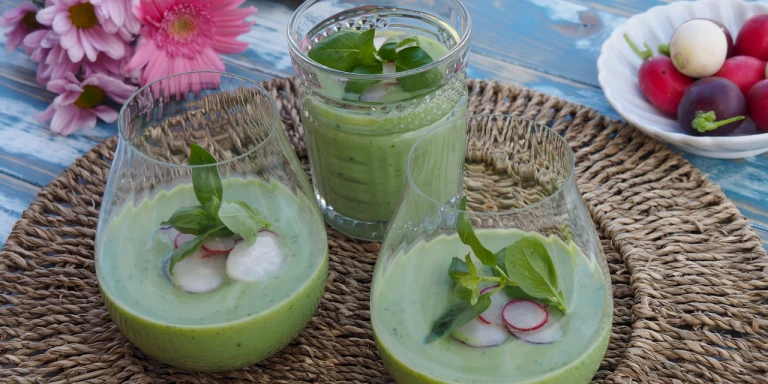
Most home cooks spend over an hour making a traditional gazpacho, often due to inefficient blending and ingredient prep. You can cut that time by nearly 40% with the right setup. Making Rucola Gazpacho isn’t just about throwing ingredients into a blender; it’s about selecting specific components and using the correct tools to achieve that vibrant, peppery, and utterly refreshing balance. This guide outlines exactly what you need, from tomatoes to blenders, ensuring your gazpacho is a standout success.
Choosing Your Core: The Right Tomatoes & Rucola
The foundation of any great gazpacho starts with its core produce. For Rucola Gazpacho, this means tomatoes and fresh arugula. Their quality directly impacts the final soup’s sweetness, acidity, and signature peppery kick. Skimping here is a guaranteed path to a flat, uninspired dish.
Best Tomato Varieties for Sweetness and Body
Forget watery, pale tomatoes. For gazpacho, you need ripe, flavorful varieties. Your best bets are Roma tomatoes (also known as plum tomatoes) for their firm flesh and lower seed count, contributing body without excess liquid. For a deeper sweetness and richer color, mix in a few San Marzano tomatoes, ideally from Italy. While more expensive, a few fresh San Marzanos can elevate the entire batch. Expect to pay around $3-$5 per pound for quality Roma or Heirloom varieties. Avoid generic “beefsteak” tomatoes unless you’re certain of their ripeness and flavor profile.
Rucola’s Role: Freshness vs. Bitterness Balance
Rucola (arugula) adds a distinctive peppery, slightly bitter note. For a balanced gazpacho, opt for young, tender arugula leaves. Older, larger leaves tend to be significantly more bitter and can overpower the delicate tomato flavor. Look for arugula with bright green leaves and a fresh, peppery aroma. A standard 5-ounce bag of fresh arugula, like Earthbound Farm Organic Baby Arugula, costs approximately $4. Do not use wilted or yellowing arugula, as its flavor will be off and its texture mealy. The goal is a gentle, clean peppery finish, not a harsh bite.
The Oil Factor: Elevating Gazpacho Flavor
Extra virgin olive oil (EVOO) isn’t just a lubricant here; it’s a crucial flavor component. It emulsifies the gazpacho, creating a smooth, luxurious texture, and carries the flavors of the vegetables. Using cheap, flavorless oil is one of the most common missteps.
A good EVOO provides fruity, grassy, and sometimes peppery notes that complement the Rucola Gazpacho perfectly. The quality varies wildly, and understanding the nuances is key to selecting a bottle that elevates your soup. For gazpacho, you want a medium-bodied, somewhat robust EVOO that can stand up to the strong flavors of tomato and arugula without overpowering them or disappearing entirely. Think of it as the backbone of your gazpacho’s mouthfeel and a significant contributor to its aromatic profile. A bland oil will result in a bland soup, no matter how good your vegetables are. This is one area where a slightly higher investment truly pays off in the final product’s quality.
Extra Virgin Olive Oil: Price vs. Quality Metrics
When selecting EVOO, focus on “extra virgin” and check for harvest date and origin. A good quality EVOO for gazpacho will typically range from $15 to $30 for a 500ml bottle. Brands like Partanna Sicilian Extra Virgin Olive Oil ($18 for 500ml) or California Olive Ranch Everyday California Extra Virgin Olive Oil ($13 for 750ml) offer excellent value and robust flavor without being overly aggressive. Avoid oils labeled simply “olive oil” or “light olive oil” as these lack the nuanced flavor and nutritional benefits of true EVOO. Look for oils that specify a region or even a specific estate, indicating higher quality control. The color can range from golden to bright green, but color alone isn’t a definitive indicator of quality; taste is .
Storage Best Practices for Peak Freshness
Olive oil is perishable. Exposure to light, heat, and air causes it to oxidize and go rancid, ruining its flavor. Store your EVOO in a cool, dark place, away from direct sunlight and stovetop heat. An opaque bottle, often dark green or black, helps protect it from light. Once opened, aim to use the oil within 3-6 months. A small, airtight dispenser can be helpful for daily use, but keep the main bottle sealed. Rancid olive oil has a distinct crayon or stale nut aroma and taste; if you detect this, discard it. It will impart an unpleasant off-flavor to your gazpacho that no amount of seasoning can mask.
Blender Battle: Powering Up Your Gazpacho
The smoothness of your gazpacho depends almost entirely on your blender. A weak blender will leave you with a chunky, inconsistent texture, no matter how long you blend. Investing in a powerful blender is critical for achieving that silky, restaurant-quality finish.
Immersion vs. Countertop Blenders: Speed & Cleanup
For gazpacho, a countertop blender is generally superior for achieving ultimate smoothness. Its higher wattage and larger blade system create a vortex that ensures all ingredients are uniformly processed. Immersion blenders, while convenient for small batches and quick cleanups, often struggle to fully pulverize skins and seeds, resulting in a slightly coarser texture. If you prioritize maximum smoothness and minimal fuss with pulp, a countertop model is the clear winner. For a rustic, slightly textured gazpacho, an immersion blender can work, but expect a longer blending time and potentially more manual straining.
Recommended High-Power Blenders
For an ultra-smooth Rucola Gazpacho, a high-power countertop blender is non-negotiable. Our top pick is the Vitamix 5200 Classic. It costs around $400-$450, features a powerful 2.2-horsepower motor, and variable speed control, allowing you to go from a gentle chop to a perfectly emulsified liquid in minutes. The Vitamix’s robust design handles seeds and skins effortlessly. For a more budget-friendly yet still powerful option, the Ninja Foodi Power Blender & Processor System (model SS351) is an excellent choice. At about $150, it offers 1400 peak watts and specialized blades that handle tough ingredients well. While it might not achieve the absolute microscopic smoothness of a Vitamix, it gets very close and offers great versatility for its price. Both options feature sturdy pitchers that handle the acidity of tomatoes without staining or degradation over time.
| Blender Model | Type | Power (Watts/HP) | Price (Approx. 2026) | Key Benefit for Gazpacho |
|---|---|---|---|---|
| Vitamix 5200 Classic | Countertop | 2.2 HP | $400 – $450 | Unmatched smoothness, durability |
| Ninja Foodi Power Blender & Processor System (SS351) | Countertop | 1400 Peak Watts | $150 – $180 | Great power-to-price ratio, versatility |
| KitchenAid Cordless Hand Blender | Immersion | N/A | $100 – $130 | Convenience, smaller batches, quick cleanup (texture not as fine) |
Beyond Basics: Essential Seasonings & Add-Ins
Once you’ve got your core ingredients and blending tool sorted, it’s time to refine the flavor. Salt, vinegar, and sometimes bread are the unsung heroes that bring Rucola Gazpacho to life. Getting these right is about balancing acidity, savoriness, and a hint of spice.
Do not skip the bread. While some modern gazpacho recipes omit bread, including a small amount of stale bread is a traditional secret for achieving a creamy, emulsified texture and adding subtle body. It thickens the soup naturally without making it heavy. A small slice, soaked, is all you need to transform the mouthfeel. This is a bold recommendation because many people try to reduce carbs or make it gluten-free, but for the classic texture, bread is essential.
Selecting Quality Sea Salt and Vinegar
For salt, avoid iodized table salt. Its harshness can detract from the fresh flavors. Instead, opt for a good quality sea salt like Maldon Sea Salt Flakes ($8 for 8.5oz) or a fine-grain Celtic sea salt. Maldon flakes provide a cleaner, briny taste that enhances the tomatoes without being aggressively salty. For vinegar, sherry vinegar is the traditional choice for gazpacho, offering a nutty, slightly sweet acidity. A bottle of Lustau Sherry Vinegar costs around $10 for 375ml and is worth the investment. Alternatively, a good quality red wine vinegar (e.g., Colavita Red Wine Vinegar, $4 for 17oz) can work in a pinch, but ensure it’s not overly harsh or acidic. Start with a small amount and taste as you go; you can always add more.
The Bread Question: To Include or Not?
Traditional gazpacho always includes a small amount of stale bread, typically a day-old baguette or country bread. This isn’t just for historical accuracy; it serves a crucial purpose. The bread, when soaked in water or a little tomato juice, helps to thicken the gazpacho and create a smooth, emulsified texture that’s difficult to achieve otherwise. It also mellows the acidity and binds the flavors together. For a 4-serving batch, one slice (about 1 ounce) of stale, crustless white bread is sufficient. Soak it for 5-10 minutes before adding to the blender. If you’re strictly avoiding gluten, you can try a small amount of cooked white rice or a gluten-free bread soaked similarly, but the texture will be slightly different.
Common Mistakes to Avoid for Perfect Texture & Taste
Even with the best ingredients and tools, small errors can derail your Rucola Gazpacho. Avoiding these common pitfalls ensures a consistently delicious result every time.
- Ignoring Ripeness: Using under-ripe tomatoes is the number one mistake. They lack sweetness and depth, resulting in a watery, acidic soup. Always choose deeply red, fragrant, and slightly soft-to-the-touch tomatoes.
- Over-blending and its Consequences: While you want a smooth gazpacho, continuous, excessive blending can introduce too much air, creating a foamy texture. It also risks warming the soup, which detracts from its refreshing quality. Blend until smooth, then stop.
- Forgetting to Strain: Even high-power blenders can leave tiny bits of tomato skin or seed, especially if you’re aiming for ultimate silkiness. Passing the gazpacho through a fine-mesh sieve (a standard stainless steel fine-mesh strainer costs about $15) is an optional but highly recommended step for a truly refined texture.
- Insufficient Chilling: Gazpacho is designed to be served ice-cold. Serving it merely cool drastically diminishes its refreshing impact. It needs at least 2-4 hours in the refrigerator, preferably longer, to allow flavors to meld and chill properly.
- Under-seasoning at the Start: Salt and vinegar are essential flavor enhancers. Don’t be shy, but season gradually. Taste, adjust, and taste again. A properly seasoned gazpacho sings; an under-seasoned one falls flat.
Prepping for Success: Streamlining Your Workflow
Efficiency in the kitchen means better results with less stress. For Rucola Gazpacho, a methodical approach to ingredient preparation and chilling can shave minutes off your prep time and enhance the final flavor.
Ingredient Prep Order for Maximum Efficiency
Start by washing all your produce thoroughly. Core and roughly chop your tomatoes; there’s no need for fine dicing since the blender will do the work. Peel and roughly chop your cucumber and bell pepper. Mince your garlic clove. Tear the stale bread into small pieces and place it in a bowl with a tablespoon or two of water or tomato juice to soften. Keep your measured olive oil, sherry vinegar, and salt ready. This mise en place ensures a seamless transition to the blending stage. For a single batch, this prep should take no more than 10-15 minutes, assuming you have a sharp chef’s knife like a Victorinox Fibrox Pro 8-inch Chef’s Knife ($45) and a sturdy cutting board (Epicurean Gourmet Series Cutting Board, $30 for 15×11 inches).
Chilling Techniques for Optimal Flavor Development
After blending, chilling is not just about temperature; it’s about flavor integration. The cold temperature allows the individual flavors of the tomatoes, rucola, garlic, and vinegar to meld and harmonize, creating a more complex and balanced profile. To speed up chilling, you can place the blender pitcher (if it’s heat-safe) into an ice bath for 15-20 minutes after blending, stirring occasionally. Alternatively, transfer the gazpacho to a wide, shallow container, which increases the surface area for faster cooling in the refrigerator. Always cover the container to prevent absorption of other fridge odors. For the best flavor, aim for at least 4 hours of chilling, or even overnight. This gives the gazpacho a chance to fully develop its potential, enhancing its refreshing qualities.
Serving & Storage: Keeping Your Gazpacho Fresh
The beauty of Rucola Gazpacho lies in its vibrant freshness. Proper serving and storage methods are key to preserving its peak flavor and ensuring it remains a delightful, invigorating dish.
For optimal enjoyment, serve Rucola Gazpacho immediately after its extensive chilling period. The flavors are at their brightest and most balanced when the soup is truly cold, almost icy. This is where the magic happens, so don’t rush it.
Garnishes that Complement Rucola Gazpacho
Garnishes aren’t just for show; they add texture, flavor, and visual appeal. For Rucola Gazpacho, consider a drizzle of high-quality extra virgin olive oil (a finishing oil like Olio Carli Delicato, $25 for 500ml, works beautifully), a few fresh rucola leaves, finely diced cucumber, or a sprinkle of flaky sea salt like Maldon. Small croutons, homemade from a baguette, also add a satisfying crunch. For an extra pop of flavor, a tiny spoonful of finely chopped chives or thinly sliced Serrano ham can elevate the dish. Serve in chilled bowls or glasses for maximum impact.
Maximizing Shelf Life and Flavor
Rucola Gazpacho keeps well in the refrigerator for up to 3-4 days when stored in an airtight container. Glass containers, such as Pyrex Simply Store Food Storage Containers ($25 for a 10-piece set), are ideal as they don’t absorb odors or colors. Over time, the rucola’s peppery notes might mellow slightly, but the overall flavor profile remains delicious. Freezing gazpacho is generally not recommended for best results, as the texture can become grainy upon thawing due to the high water content of the tomatoes and cucumbers. It’s best enjoyed fresh within a few days of preparation. For travel, transport it in an insulated food jar, like a Stanley Classic Vacuum Food Jar ($30 for 24oz), keeping it perfectly chilled for hours.