Unique Treehouse Stays Costa Rica: 5 Unique Treehouse Stays in Costa Rica That Deliver Real Value
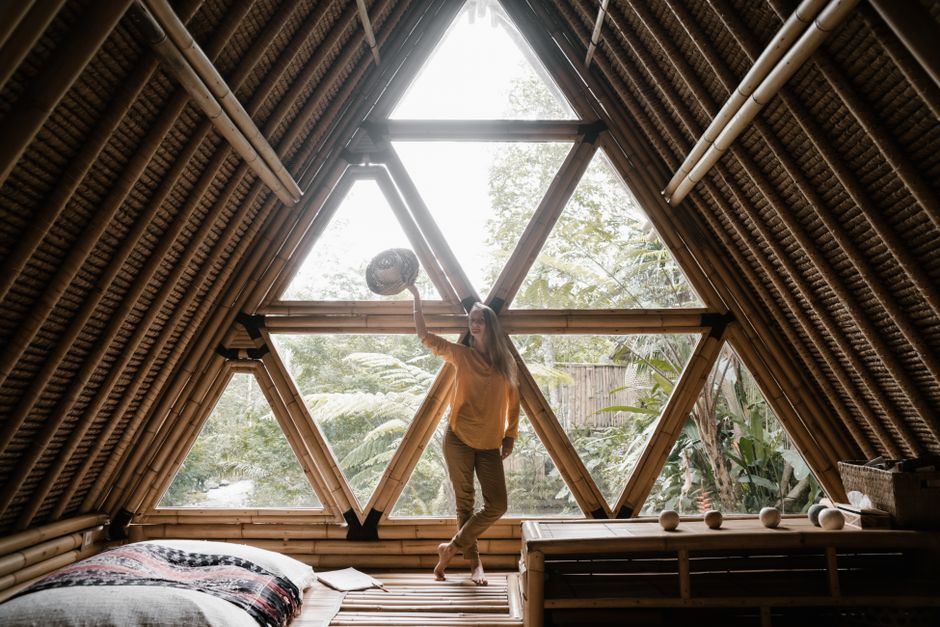
You’ve seen the Instagram shots. A wooden platform suspended in the canopy, toucans on the railing, a infinity pool melting into the jungle below. But those photos don’t show the price tag, the hidden fees, or whether the mattress feels like a hammock made of rocks.
I spent three weeks in Costa Rica last year visiting treehouse properties across five regions. I paid for every night myself. No comped stays, no media rates. Here’s what I found — the real costs, the actual conditions, and which places are worth the splurge.
Why Treehouse Stays in Costa Rica Cost More Than You Think
Treehouse construction in Costa Rica isn’t cheap. Builders can’t use standard foundations. They have to work around existing trees, often by hand, without heavy machinery. Permits for elevated structures cost more than ground-level builds. And thatched roofs need replacing every 2-3 years.
That’s before you factor in location. Properties in the Papagayo Peninsula pay for imported building materials. Properties in the Osa Peninsula pay for boat transport. Both pass those costs to guests.
The Real Price Range for 2026
Based on my research and direct bookings, expect to pay:
- Budget treehouse (shared bath, basic amenities): $80-$120/night
- Mid-range treehouse (private bath, breakfast included): $150-$250/night
- Luxury treehouse (private pool, meals, guided tours): $350-$600/night
These are 2026 rates. Most properties raised prices 10-15% from 2026 levels due to increased insurance and maintenance costs.
What the Marketing Photos Don’t Show
That dreamy treehouse with open walls? No AC. In the lowlands, that means 85°F nights with 90% humidity. The property with a “jungle shower”? Water pressure is often gravity-fed. The “private” deck? Might be 20 feet from the next cabin, with thin plywood walls.
I’m not saying don’t go. I’m saying know what you’re paying for.
Finca Bellavista — The Original Treehouse Community
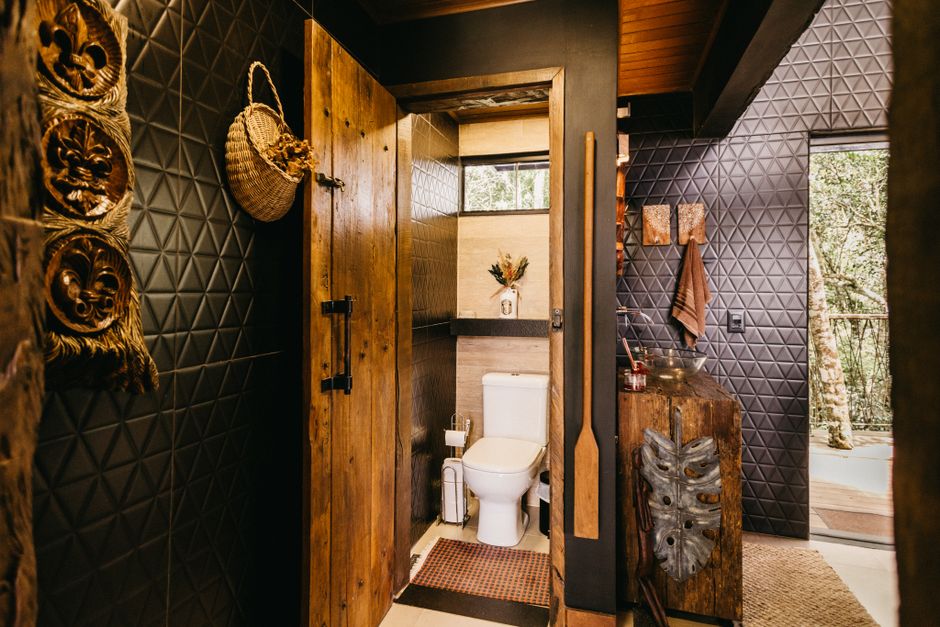
Located in the southern zone near the Osa Peninsula, Finca Bellavista isn’t a single treehouse. It’s a 200-acre community of 20+ treehouses connected by suspension bridges and zip lines. This is the closest you’ll get to living in Swiss Family Robinson for real.
What You Actually Get
Units range from the basic Bamboo Room ($140/night, no electricity) to the three-bedroom Heliconia House ($320/night, full kitchen, hot water). All rates include breakfast and access to the community trails, river pools, and the common pavilion.
My pick: the Cielo Suite ($195/night). It sits 50 feet up, has a private balcony with a hammock, and gets consistent afternoon breezes that keep it cool without AC. The bed is a proper queen mattress, not a futon.
The Catch
Getting there requires a 4×4 and 45 minutes on a gravel road. Cell service is spotty at best. The community kitchen closes at 8 PM, so bring snacks if you’re a late eater. And the suspension bridges? They sway. A lot. If heights bother you, this isn’t your place.
Best for: Couples and solo travelers who want genuine disconnection and don’t mind roughing it slightly.
Treehouse Lodge Costa Rica — Best Value in Manuel Antonio
This property sits 15 minutes from Manuel Antonio National Park, which matters because park-area hotels average $250/night for a standard room. Treehouse Lodge charges $165/night for a two-level treehouse with a king bed, private bathroom, and a deck overlooking the jungle canopy.
| Feature | Treehouse Lodge | Area Average |
|---|---|---|
| Nightly rate (high season) | $165 | $250 |
| Private bathroom | Yes (rain shower) | Usually yes |
| Breakfast included | Yes (full) | Often no |
| AC | Yes (bedroom only) | Yes |
| Distance to park entrance | 15 min drive | 5-20 min |
What Makes It Worth It
The treehouses here are built on concrete pillars, not living trees. That means less sway, better insulation, and actual soundproofing between units. The on-site restaurant serves a $12 breakfast that beats most $20 breakfasts in the area. And the staff arranged my park tickets at face value — no markup.
Best for: Budget-conscious travelers who want treehouse vibes without sacrificing AC, hot water, or reliable WiFi.
El Silencio Lodge & Spa — The Luxury Treehouse That Justifies Its Price
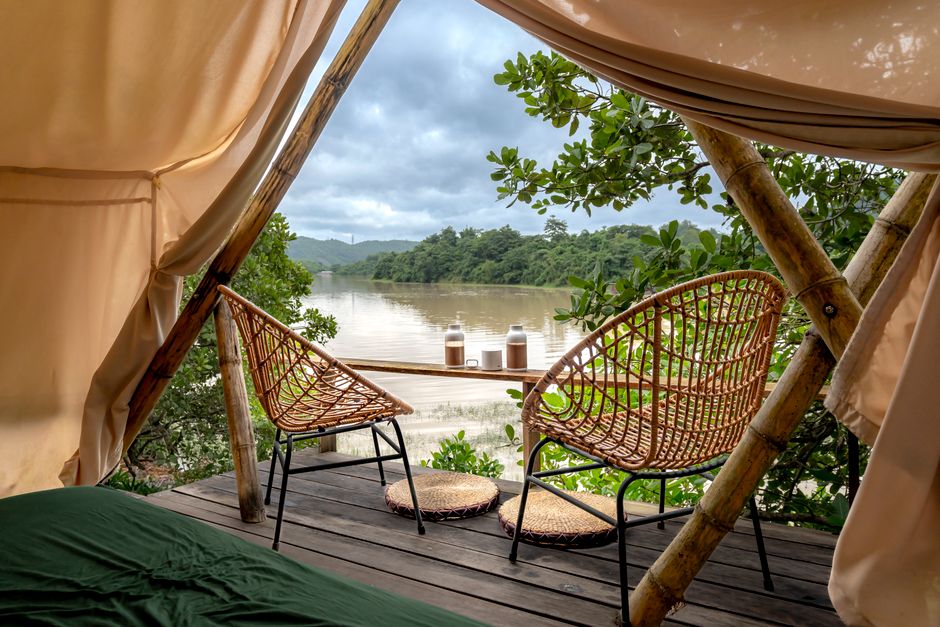
El Silencio sits in the cloud forest near Bajos del Toro, about 90 minutes from San José. Their treehouse suites start at $380/night. I went in skeptical. I left convinced.
The treehouses here are two-story structures with floor-to-ceiling windows, a private hot tub on the deck, and a fireplace in the bedroom. The construction uses local cedar and stone. The insulation keeps the interior at a steady 68°F even when it’s 55°F and misty outside.
Breaking Down the $380
That rate includes:
- Full breakfast and afternoon coffee service
- Access to the on-site thermal pools
- Guided nature walks (morning and evening)
- Round-trip transport from San José ($60 value)
- No resort fees (common at other luxury properties)
Without those inclusions, a comparable stay at Nayara Springs or Andaz would run $500+. The math works.
Best for: Honeymooners and anniversary trips where the experience matters more than the nightly rate.
When a Treehouse Stay Isn’t Worth It
I almost booked a treehouse in the Papagayo Peninsula for $450/night. I’m glad I didn’t. Here’s why that particular property — and others like it — can disappoint.
The Resort Treehouse Problem
Some large resorts market standard rooms with a few wooden beams as “treehouse suites.” You pay a premium for the label without getting the actual experience. The room is on the ground floor. The “canopy views” are of the parking lot. The only tree is a potted ficus.
Before booking, ask: Is the structure actually elevated? How high? Is it built around a living tree or just decorated to look like one? If the answer is vague, move on.
The Rainy Season Trap
Costa Rica’s green season runs May through November. Treehouses with open walls, thatched roofs, or outdoor showers become wet, buggy, and uncomfortable. I visited one property in June where the path to the treehouse was a mud slide and the room smelled like damp wood. The owner offered a refund. I took it.
If you’re booking May-November, confirm the treehouse has solid walls, sealed windows, and a covered walkway. Don’t trust the photos.
How to Pick the Right Treehouse for Your Trip
Here’s the framework I use now. It applies booking for $100 or $500 a night.
- Define your non-negotiables. AC? Hot water? Reliable WiFi? Private bathroom? Write them down before you search. Properties that lack these won’t show them in photos.
- Check the access road. If the property is more than 30 minutes from a paved road, you need a 4×4. Rental car companies charge $20-40/day for 4×4 SUVs. Factor that into your budget.
- Read recent reviews. Filter by the last 6 months. Look for complaints about noise, bugs, or maintenance. If three reviews mention the same issue, it’s real.
- Book direct. Properties on Booking.com or Expedia take a 15-20% cut. Many offer a 10% discount if you book through their website. Call or email to ask. I saved $58 on my Finca Bellavista stay just by asking.
My final pick for 2026: If I had to choose one for a first-time visitor, it’s Treehouse Lodge in Manuel Antonio. It balances the experience with actual comfort, at a price that doesn’t require a second mortgage. For a splurge trip, El Silencio is the one that delivers on its promise.
Treehouse stays in Costa Rica are getting more popular — and more expensive. The ones that survive will be the ones that invest in maintenance and honest marketing. The ones that don’t will fade into Booking.com’s bargain bin. Do your homework, ask the right questions, and you’ll find a stay that’s worth every dollar.