Japan First-Timers Must-Try Dishes Etiquette: Japan for First-Timers: The Dishes You Must Eat and the Rules You Must Follow
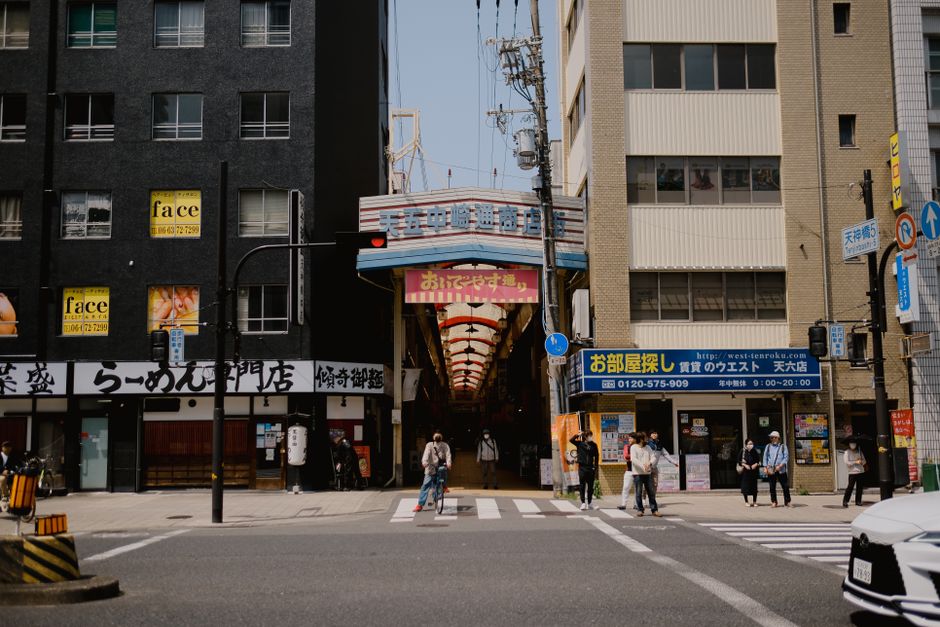
You’ve booked the flight. You’ve got a JR Pass. But are you about to commit the one sin that makes locals cringe?
Japan is a country where the food is world-class, but the rules around eating it are a minefield. Do you stick your chopsticks in the rice? Pour soy sauce on everything? Talk while chewing noodles? Get any of these wrong, and you’ll be that tourist.
This isn’t a generic list of “try sushi.” This is the straight talk on what to actually eat and how to eat it without embarrassing yourself.
1. The Five Dishes You Cannot Skip (And Where to Find Them)
Forget the conveyor-belt sushi in Shibuya. Real Japanese food is regional, seasonal, and often found in tiny shops with five seats. Here are the five dishes that define the country, and the specific style you should hunt down.
Sushi — But Not the California Roll Kind
Real sushi is about the rice and the fish, not spicy mayo. Go to a kaitenzushi (conveyor belt) place for fun, but for the real deal, find a standing sushi bar in Tsukiji Outer Market or a tiny counter in Ginza. Expect to pay ¥3,000–¥8,000 ($20–$55) for a lunch set of 10 pieces. The fish should taste like the ocean, not like a sauce.
Ramen — Slurp Loudly, It’s a Compliment
Ramen is not fast food. It’s an obsession. Each region has its own style: Sapporo miso ramen (thick, hearty), Tokyo shoyu ramen (clear, soy-based broth), Hakata tonkotsu ramen (creamy, pork bone). The rule: slurp. Loudly. It cools the noodles and shows you’re enjoying it. A bowl costs ¥800–¥1,200 ($5–$8).
Tempura — Light, Not Greasy
Good tempura is a revelation. The batter is paper-thin, the oil is clean, and the shrimp or vegetable inside is barely cooked. Skip the touristy all-you-can-eat places. Find a specialist shop where the chef fries in front of you. A set lunch runs ¥1,500–¥3,000 ($10–$20). Dip in tentsuyu (dipping sauce) with grated daikon radish, not soy sauce.
Okonomiyaki — Osaka’s Savory Pancake
This is Japanese comfort food. Think cabbage, batter, pork, squid, and cheese, all griddled together and topped with tangy sauce, mayo, and bonito flakes that “dance” from the heat. You cook it yourself at the table. Go to Osaka’s Dotonbori district — places like Chibo or Mizuno are legendary. Cost: ¥1,000–¥1,800 ($7–$12).
Matcha Desserts — The Real Deal
The neon-green powdered stuff at home is fake. Real matcha is a vibrant, slightly bitter green tea powder used in everything from soft serve to tiramisu. In Kyoto, visit Nakamura Tokichi for a parfait that costs ¥1,500 ($10) and is worth every yen. The bitterness balances the sweetness — that’s the point.
2. Chopstick Rules: The Five Things That Will Get You Stared At
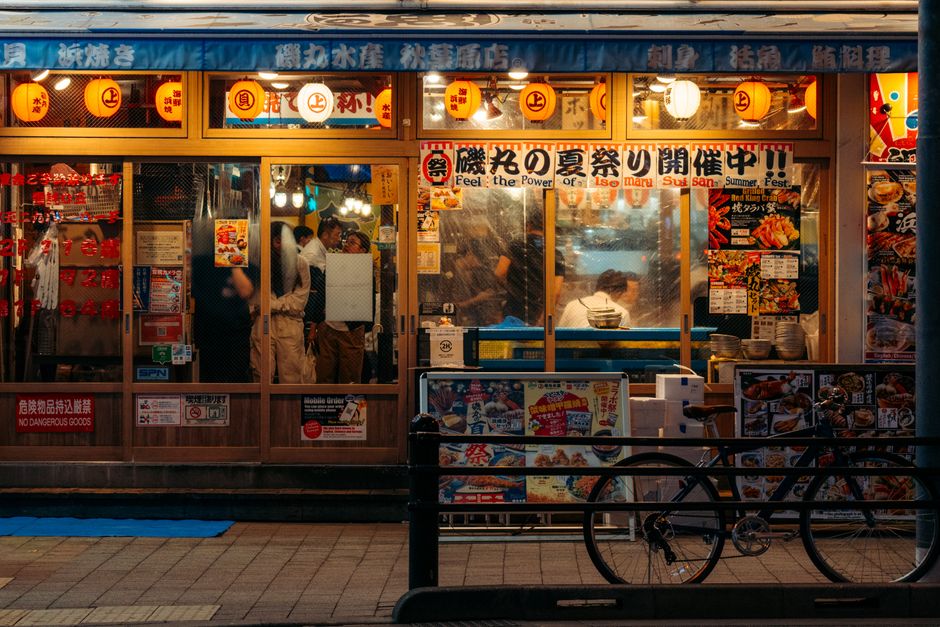
You’ll use chopsticks for almost everything. Get these basics right, and you’ll look like you’ve done this before.
| Don’t Do This | Why It’s Bad | What To Do Instead |
|---|---|---|
| Stick chopsticks upright in rice | It mimics a funeral ritual (incense sticks in ash) | Rest them on the hashioki (rest) or the edge of your bowl |
| Pass food from chopsticks to chopsticks | Another funeral custom — cremated bones are passed this way | Place the food on the other person’s plate or small bowl |
| Rub your chopsticks together | It implies you think the cheap wood is splintering — insulting | Just separate them once and use them |
| Point with your chopsticks | Rude anywhere, but especially at a table | Use your chin or a nod |
| Spear food with your chopsticks | Lazy and ugly — it’s for picking up, not stabbing | Pinch the food between the sticks |
One more thing: Don’t hover over a communal dish with your chopsticks. Take the food, then eat it. Double-dipping is a no-go.
3. The Unspoken Rules of Eating at a Japanese Restaurant
You walk in. It’s loud, small, and everyone is shouting. What do you do?
First, say “Irasshaimase!” — you don’t have to shout it back, but acknowledging the staff with a nod or a quiet “hello” is polite.
Second, wet towel etiquette. The oshibori (hot or cold towel) is for your hands only. Do not wipe your face or neck with it. Wipe your hands, fold it, and leave it on the table.
Third, ordering and paying. In most casual places, you order at a ticket machine (shokkenki) near the door. Insert money, press the button for your dish, give the ticket to the chef. No tipping. Ever. It’s considered rude — they’ll chase you down to give it back. Pay exactly what’s on the bill.
Fourth, the meal’s bookends. Before eating, say “Itadakimasu” (I humbly receive). After finishing, say “Gochisousama deshita” (thank you for the meal). You don’t have to be loud, but muttering it shows respect.
4. The One Thing Tourists Get Wrong About Drinking
Japan’s drinking culture has rules. Break them, and you’ll seem selfish or clueless.
Never pour your own drink. In a group, you pour for others, and they pour for you. Watch your neighbor’s glass — if it’s getting empty, fill it. They’ll do the same for you.
Wait for the toast. Before anyone says “Kanpai!” (cheers), don’t drink. And when you toast, look at the glass, not the other person’s eyes — it’s considered aggressive to stare while clinking.
Don’t get drunk first. It’s okay to drink heavily, but pace yourself. The first person to get sloppy is frowned upon. Also, never pour alcohol for yourself at a bar — the bartender will do it, or someone in your group will.
If you’re at an izakaya (Japanese pub), you’ll often be charged a small table fee (otōshi) of ¥300–¥500 ($2–$4) for a small appetizer you didn’t order. That’s normal. Eat it. It’s not a scam.
5. Common Mistakes That Ruin the Experience (And How to Avoid Them)
You’ve read the rules. Now here’s what actually goes wrong for first-timers.
Mistake 1: Eating while walking. In Japan, eating on the street is considered messy and a bit rude. You’ll see locals standing near the shop eating their ice cream or takoyaki, not walking down the sidewalk. Find a bench or eat near the stall.
Mistake 2: Pouring soy sauce on your rice. This is a huge cultural no. Soy sauce is for dipping, not dousing. A few drops on the side of your plate is fine. Pouring it over a bowl of white rice is seen as wasteful and disrespectful to the cook.
Mistake 3: Not knowing how to use a shared pot. At a shabu-shabu or nabe (hot pot) restaurant, you use the communal broth to cook your food. Use the provided separate chopsticks (or the back end of your own) to handle raw meat. Do not dip your personal chopsticks into the shared pot.
Mistake 4: Ignoring the queue. Japanese people queue for everything — ramen shops, train platforms, convenience stores. Cutting in line is the fastest way to get openly glared at. If there’s a line, you wait.
Mistake 5: Assuming all food is spicy. Japanese food is not like Thai or Korean food. Most dishes are mild, savory, or sweet. If you want heat, look for shichimi togarashi (seven-spice blend) on the table — it’s usually there at ramen or udon shops.
The single most important takeaway: Eat what the locals eat, follow the chopstick rules, and say “Itadakimasu” before every meal — that one word will get you more respect than any amount of money you spend.