Amsterdam Travel Apps That Actually Work (And Three to Skip)
You land at Schiphol, pull out your phone, and open Google Maps. It tells you to take the train to Centraal Station. Fine. But then what? The tram network, the bike lanes, the museum queues — Amsterdam is one of those cities where the generic travel stack leaves you standing on a canal bridge at 9pm wondering why every restaurant search result is a tourist trap charging €18 for a bowl of soup.
This is the app stack that actually helps — tested on the ground, not assembled from a press kit.
Why Amsterdam’s Transport System Needs Its Own App
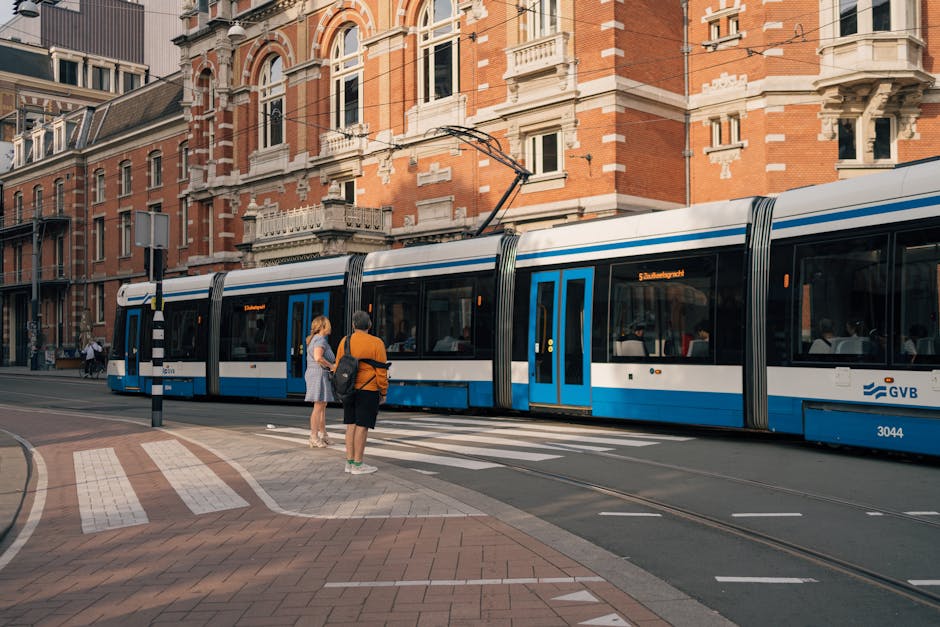
Most European cities run fine on Google Maps for public transit. Amsterdam is different for one specific reason: the GVB network (Amsterdam’s public transport authority) runs a dense overlap of trams, metro lines, buses, and free IJ ferries that interact in ways Google Maps regularly misroutes.
The tram network is the main problem. Lines 1, 2, 5, 7, and 17 share tracks through the center and split at key stops. Board the wrong branch and you end up in Nieuw-West when you wanted Oud-Zuid. Google Maps will sometimes route you across three vehicles when one direct tram plus a 6-minute walk is faster.
There’s also the ferry situation. Free ferries cross the IJ river from behind Centraal Station to Amsterdam Noord, leaving every 5–10 minutes during the day. Google Maps treats them like abstract waterway crossings. The GVB app shows live departure countdowns — which matters when you have 4 minutes to catch the NDSM Wharf ferry that runs every 30 minutes.
Amsterdam also has the highest bike-per-person ratio in Europe. Local transport apps are built around that assumption. Once you accept that a bike covers more ground than a tram in most directions from the center, the app logic clicks.
Public Transport App Comparison: GVB, 9292, and Google Maps
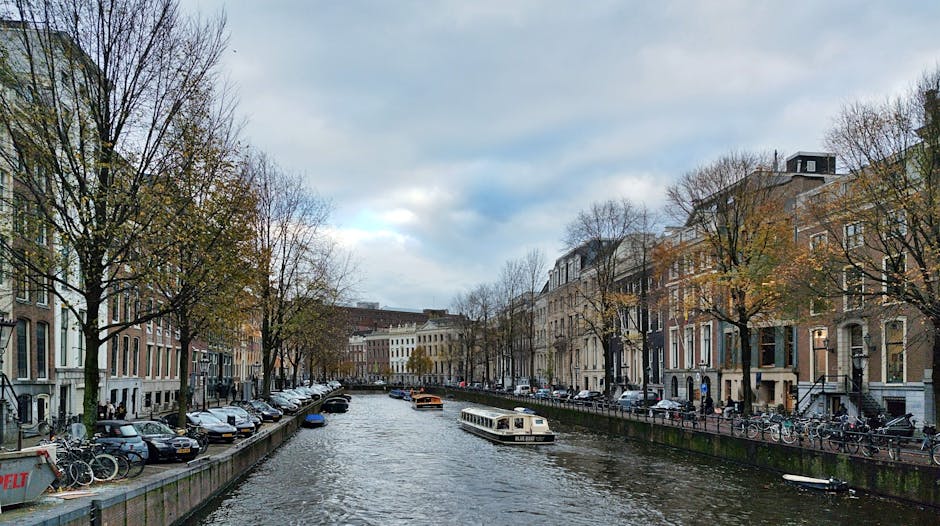
Four apps handle Amsterdam transit. Here’s where each one breaks down:
| App | Best For | Main Weakness | Cost | Works Offline? |
|---|---|---|---|---|
| GVB | Real-time tram, metro, bus, and IJ ferry departures within Amsterdam | Amsterdam only — no intercity trains | Free | No |
| 9292 | Journey planning across all Dutch public transport | Slow interface; complex for short city trips | Free | No |
| Google Maps | Walking routes, cycling paths, general orientation | Suboptimal tram routing; no live ferry data | Free | Partial (downloadable area) |
| NS (Nederlandse Spoorwegen) | Intercity trains: Schiphol, Utrecht, Rotterdam, Haarlem | Trains only — no city trams or buses | Free | No |
The working setup: GVB for all in-city movement, NS for anything leaving Amsterdam, Google Maps only when walking or orienting yourself on a map. Skip 9292 unless you’re spending more than three days traveling across multiple Dutch cities on mixed transport — the interface isn’t worth it for a short Amsterdam-only stay.
OV-chipkaart or contactless card — which do you actually need?
The OV-chipkaart is the Dutch transit card. It costs €7.50 for the card itself, then you load credit separately. For a 3-day Amsterdam-only trip, load €20. It works on all GVB trams, metro, buses, and NS trains.
Since 2026, most GVB and NS gates also accept contactless bank cards and phone payments via Apple Pay or Google Pay. If your card supports international contactless, test it at the airport gate before queuing for an OV-chipkaart at Schiphol. You might save yourself 20 minutes on arrival day.
The IJ ferry detail every packing guide skips
The free IJ ferries leave from behind Centraal Station — not the front. Walk through the station to the IJ-zijde (north exit). Buiksloterweg ferry: every 5 minutes. NDSM Wharf ferry: every 30 minutes. The GVB app shows live departure times. If you’re visiting the EYE Film Institute or NDSM, check it before walking down — missing the NDSM ferry means a 30-minute wait with nothing nearby.
Bike Rental Apps: One Clear Winner
Donkey Republic is the right choice for most visitors. That’s the verdict. Here’s why everything else doesn’t work for short-stay tourists.
Donkey Republic charges €3.50/hour or €14–17/day depending on bike type. You unlock bikes via the app, and hubs are spread across central Amsterdam — near Vondelpark, Waterlooplein, Leidseplein, and within walking distance of most major hotel areas. Setting up an account takes 3 minutes with a credit card. The bikes are GPS-tracked; if one breaks mid-ride, you report it in-app and they handle it.
OV-fiets is the Dutch national bike rental at €4.20/day — genuinely cheap. The problem: it requires a Dutch OV-chipkaart with an NS account linked to a Dutch bank account. Most international visitors don’t qualify and won’t sort that out during a 4-day trip.
Swapfiets is a monthly subscription starting at €19.90/month for a basic bike. Built entirely for residents. Not relevant for a short visit.
The bike rental scam you’ll walk past on Damrak
Near Centraal Station and along Damrak, rental shops advertise bikes for €10–15/day. Some are legitimate. Some hand you a bike without a working lock, collect a cash deposit you’ll fight to recover, and give you a phone number that rings out. No app, no GPS, no accountability. Donkey Republic costs a bit more and removes every variable. That premium is worth it on day one of a trip when you have zero local knowledge and nowhere to resolve a dispute.
One real limitation with Donkey Republic: hubs near Centraal Station run out of bikes by 10am on weekend mornings. The app shows real-time availability. Check the night before and move your pickup to the Waterlooplein or Leidseplein hub if Centraal looks empty — those hubs tend to have stock when tourist-center locations are cleaned out.
Museum Tickets: How Booking Actually Works in Amsterdam
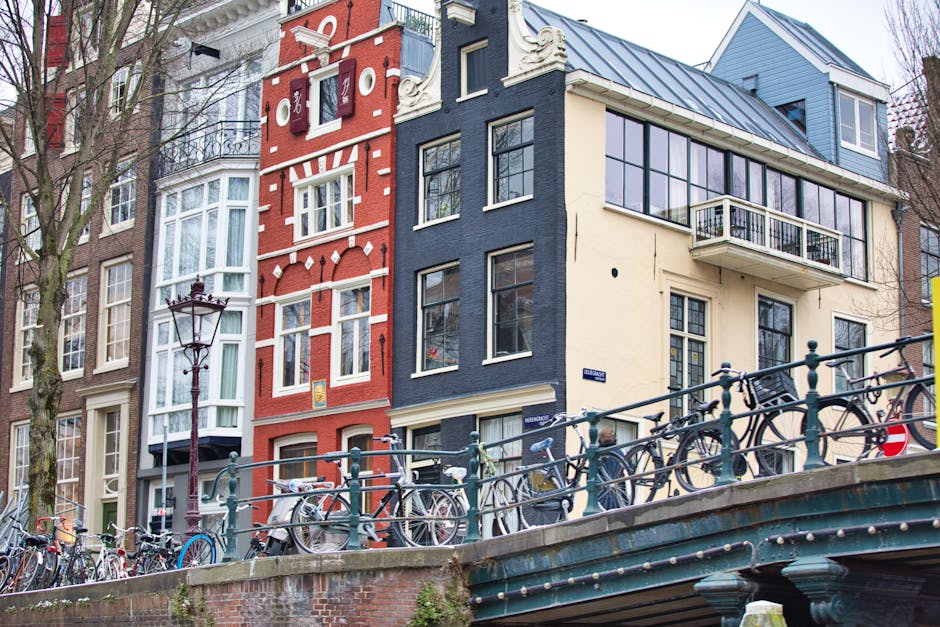
Can I get Anne Frank House tickets on the day?
No. The Anne Frank House releases tickets months in advance exclusively through annefrank.org. In spring and summer 2026, slots are typically gone 4–8 weeks out. No third-party app — not Tiqets, not Musement, not GetYourGuide — sells official self-guided admission. Listings that appear on those platforms are either guided tour packages (a different experience at a higher price) or resales at inflated rates. Book direct, and do it the moment you confirm your travel dates.
What does Tiqets actually cover in Amsterdam?
Tiqets (free app, iOS and Android) handles timed-entry tickets for Rijksmuseum (€22.50), Van Gogh Museum (€22), Stedelijk Museum (€20), and several canal boat operators. Prices match official museum sites — no markup. The practical advantage is one app wallet for all your tickets instead of juggling accounts across five different museum sites with varying UX quality.
Both Rijksmuseum and Van Gogh Museum require timed entry regardless of where you buy. During peak season (April–August), book Van Gogh at least two weeks out. Rijksmuseum is slightly more forgiving — morning slots a week ahead are often still available. Tiqets and each museum’s own site work equally well; use whichever is faster.
Is the I Amsterdam City Card worth calculating?
The I Amsterdam City Card costs €65 for 24 hours, €105 for 48 hours, or €125 for 72 hours. It includes free entry to 70+ museums and unlimited GVB public transport. The companion app lets you preview included venues and run the math on your specific itinerary before buying.
For a 48-hour card to break even: Rijksmuseum (€22.50) + Van Gogh Museum (€22) + two days of tram travel (roughly €12–15 at standard fares) = roughly €56–60. That’s close to the card price. Add one more museum visit and the card wins clearly. If you’re only doing one major museum and mostly walking, skip it — the math doesn’t close.
Food Apps That Return Non-Tourist Results
TripAdvisor’s Amsterdam restaurant rankings skew heavily toward high-volume operations in the tourist center. These alternatives return different results:
- Iens — the Dutch equivalent of OpenTable, with reviews primarily written by Amsterdam residents. Has English-language filtering. For sit-down reservations in neighborhoods like De Pijp or Jordaan, this is where local recommendations actually surface. Free to use, and the quality gap versus TripAdvisor is noticeable within a few searches.
- Thuisbezorgd — the Netherlands’ dominant food delivery app (part of Just Eat Takeaway). For apartment stays, use this over Deliveroo or Uber Eats. Coverage in outer Amsterdam neighborhoods is significantly better than either competitor.
- Albert Heijn app — the dominant Dutch supermarket chain has multiple locations throughout central Amsterdam. The app shows store locations and current promotions. Groceries here run 40–60% cheaper than convenience shops near tourist sites. Essential for self-catering stays, particularly if your apartment is in a neighborhood without obvious local shops.
- Google Maps — not for restaurant lists, but the “open now” filter with a 1km radius set to De Pijp or Oud-West surfaces working-class local spots that TripAdvisor buries under sponsored entries. Search neighborhood first, then filter by distance and rating.
One specific point: the best Dutch street food requires no app. Find a FEBO automat — coin-operated walls of kroket and frikandel on main shopping streets. No delivery, no booking, no review section. Put in the coin.
How Payments Work in Amsterdam
Amsterdam is one of the most cashless cities in Europe. Most trams, cafes, supermarkets, and museum shops in the tourist center don’t accept cash — or accept it reluctantly. Your contactless Visa or Mastercard handles nearly everything.
Download Tikkie only if you’re splitting costs with Dutch contacts or hosts. It’s the near-universal payment-splitting app in the Netherlands — if a Dutch person says “I’ll send you a Tikkie,” they mean this specific app. For everyone else visiting for a few days, your contactless card is sufficient. Don’t plan around ATMs.
The Pre-Trip Download List
Do this on home wifi before departure. Several of these apps need account creation or payment setup that’s frustrating to handle on roaming data after a long flight — especially Donkey Republic, which requires a credit card and account verification before you can unlock any bike.
- GVB (free, iOS + Android) — Amsterdam trams, metro, buses, and IJ ferries. Your primary in-city navigation tool. Open it over Google Maps for any tram journey.
- NS (free, iOS + Android) — Dutch intercity trains. Essential for the Schiphol-to-Centraal connection (€5.50, 17 minutes) and day trips to Haarlem, Utrecht, or Delft.
- Donkey Republic (free, iOS + Android) — bike rental. Create your account and add a payment method before landing so pickup is instant when you arrive.
- Tiqets (free, iOS + Android) — museum tickets. If traveling April–August, buy Rijksmuseum and Van Gogh slots before you leave home.
- Google Maps with offline Amsterdam area downloaded — go to Settings → Offline Maps → Select an Area and download the Amsterdam region. Covers you when you lose signal near a canal or in an underground metro station.
- Iens (free, iOS + Android) — local restaurant discovery. Read a few reviews for the neighborhood you’re staying in before your first dinner so you’re not starting from scratch hungry.
That’s six apps. You don’t need twelve. Every additional app that duplicates something on this list adds friction without adding capability.
Three apps that keep appearing on Amsterdam guides but aren’t worth the download
Uber is active in Amsterdam and routinely costs 2–3x what a tram plus a short walk costs. Its one legitimate use case: late-night airport arrival with heavy luggage when the NS schedule has gaps after midnight. Outside that scenario, GVB handles everything faster and cheaper.
Airbnb Experiences lists canal tours and cooking classes in Amsterdam at marked-up prices. The same experiences — often with the same guides — are bookable directly through the operators’ own sites at lower rates. Search the experience name before booking through Airbnb’s platform.
Maps.me is frequently recommended as an offline map backup. In Amsterdam, the Google Maps offline area download is more current and more detailed. Maps.me’s cycling infrastructure data for Amsterdam hasn’t kept pace with 2026–2026 changes to the bike lane network in the city’s east and north. Use Google’s offline feature as your backup map.
For a stay under five days, the six-app list above covers 95% of what you’ll actually use. GVB and Donkey Republic solve your mobility. Tiqets handles the queues. Iens finds dinner. The rest is situational.