Best Carry-On Travel Backpack: Osprey Farpoint vs. Tortuga Setout
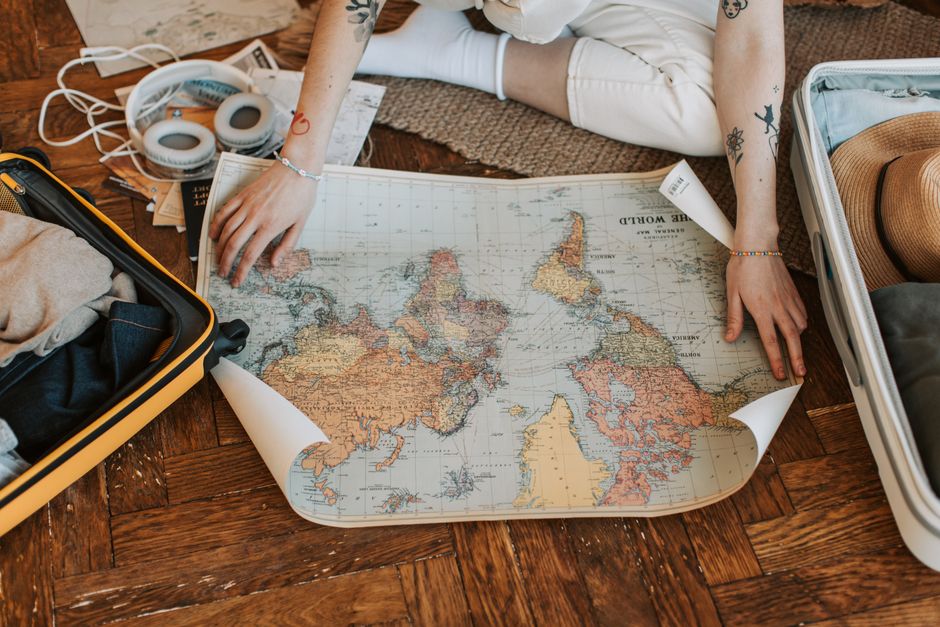
Your flight boards in two hours, your laptop is at 12 percent, and you still have to cross a train station before reaching the airport. A rolling suitcase is now a liability. A good carry-on backpack keeps your hands free, protects your work gear, and lets you move through stairs, cobblestones, and crowded terminals without stopping every five minutes.
The Osprey Farpoint 40 and Tortuga Setout 45L solve that problem in different ways. The Farpoint is the smarter buy for most people in 2026. The Setout still has more room, but it is retired, larger than many international airline limits, and harder to justify at used-market prices.
What should a digital nomad look for in a carry-on backpack?
The category exists for one basic reason: travelers need more mobility than a suitcase provides without giving up the packing space and organization of luggage. Digital nomads add another requirement. The bag must carry clothes, chargers, documents, and a computer while staying comfortable during long walking days.
Start with carry-on dimensions, not liters
Volume numbers are marketing shorthand. The airline sizer only cares about the outside of the bag. Domestic U.S. carry-on limits often reach 22 x 14 x 9 inches, while many international and budget airlines use limits close to 55 x 35 x 20 cm. A bag that is technically 40L can still fail if it bulges beyond those measurements. Check the airline’s published limits before buying, then leave room for compression.
Weight transfer beats extra pockets
A packed 40L bag can easily weigh 20 pounds. Shoulder straps alone will make that load miserable after a full day of buses and airport walks. Look for a real hip belt, load lifters, a sternum strap, and a frame or firm framesheet. The best setup moves weight toward your hips while keeping the load close to your back. A dozen clever pockets cannot fix poor suspension.
Protect the office without turning the bag into a tech case
You need a padded laptop sleeve, a quick-access pocket for a passport and power bank, and a main compartment that opens flat. That is enough for most remote workers. Keep the computer away from the bottom of the bag, separate cables with a small pouch, and avoid filling every pocket. More compartments add weight and make it harder to see what you actually packed. For digital nomads, a simple layout wins.
Farpoint 40 vs. Setout 45L: which specs matter?
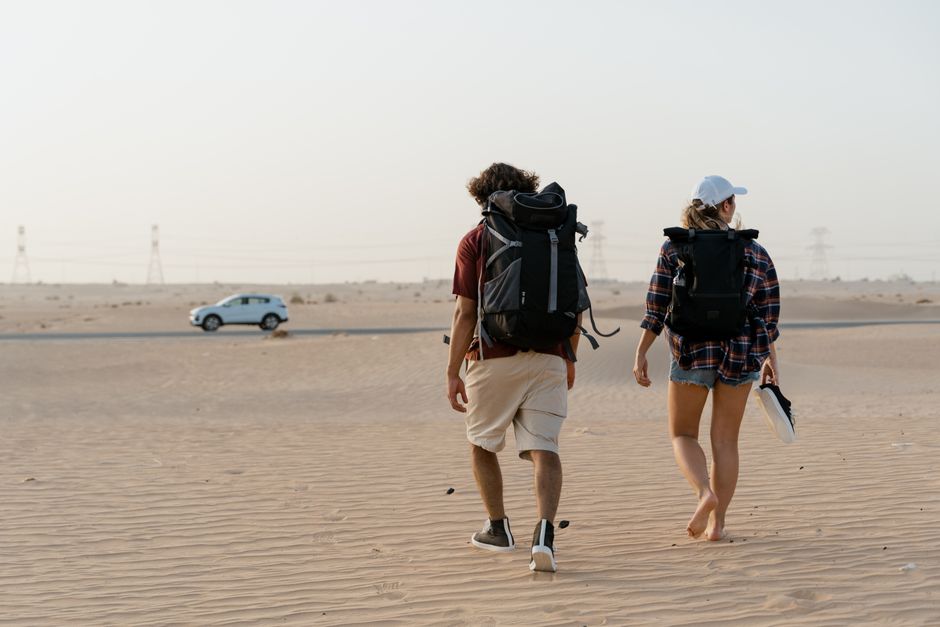
These bags look similar from a distance: front-loading travel packs with laptop storage, stowable harness systems, and enough space for a week. The differences become obvious at the airport. The Farpoint favors a closer fit and lower weight. The Setout favors maximum capacity and suitcase-style organization.
| Specification | Osprey Farpoint 40 | Tortuga Setout 45L |
|---|---|---|
| Current status | Available from Osprey | Retired; used or remaining stock only |
| Price reference | $200 | Originally listed around $199; used prices vary |
| Capacity | 40L | 45L |
| Dimensions | 21.7 x 13.8 x 9.1 in | 22 x 14 x 9 in |
| Weight | 3.27 lb | 3.9 lb |
| Laptop fit | Most laptops up to 16 in | Up to 17 in |
| Fit system | Adjustable torso and padded hip belt | Designed for 17–19 in torsos |
| Main material | Recycled 210D nylon with 420D nylon base | 900D polyester |
The Farpoint 40 wins the practical comparison. It weighs about 0.6 pound less and has an adjustable torso, which matters far more than five extra liters when you are carrying the pack for hours. The Setout’s 45L compartment is better for bulky clothing, a second pair of shoes, or a larger laptop, but its dimensions are a risk on airlines that enforce 55 x 35 x 20 cm limits. Treat the Setout as a U.S.-focused maximum carry-on, not a universal international bag.
Which backpack should you buy in 2026?
Best new purchase: Osprey Farpoint 40
Buy the Farpoint 40 if you want one dependable carry-on backpack for airports, trains, hostels, and short hikes: its $200 price, 3.27-pound weight, adjustable torso, LightWire frame, padded hip belt, lockable main zipper, and 16-inch laptop sleeve give it the best balance for a working traveler, although its 9.1-inch listed depth means you should not overstuff it before an international flight.
When the Setout still makes sense
The Setout 45L only deserves consideration if you find a clean used example at a sensible price, need the 17-inch laptop sleeve and extra five liters, and mostly fly airlines that accept 22 x 14 x 9 inches: do not pay close to its former $199 price for a retired bag when warranty support, condition, and replacement parts may be uncertain, because the extra capacity will not help if the airline makes you check it.
How should you pack a carry-on backpack for remote work?

The best bag still fails when it is packed badly. Use the available space in a fixed order, then stop before the zipper becomes a wrestling match.
A 10-minute packing system
- Wear your heaviest shoes and jacket on the travel day. Pack only one lighter backup pair.
- Build a seven-day clothing rotation: five tops, three bottoms, seven pairs of underwear, and one sleep set.
- Use one medium packing cube for clothes and one small pouch for cables, chargers, and adapters.
- Place shoes and dense items closest to the back panel, where they sit near your body and create less pulling.
- Put the laptop in its sleeve last, with the screen facing the padded back panel.
- Fill empty corners with socks, then use compression straps to reduce movement rather than crushing delicate clothing.
Mistakes that create airport trouble
- Do not pack to the advertised volume and assume the exterior dimensions will remain unchanged.
- Do not place a water bottle inside the main compartment during security screening.
- Do not bury medication, passport, or charging cables beneath clothing.
- Do not rely on a hip belt that sits above your hip bones; that position leaves your shoulders carrying the load.
- Do not bring a second laptop, full-size toiletries, and multiple pairs of heavy shoes unless your work requires them.
The clear packing verdict is simple: use the bag as a compact mobile office, not as a closet. Laundry once a week is cheaper and easier than paying to check an overstuffed pack.
Which alternatives beat both bags for specific travelers?

The Farpoint is the best overall pick, but it is not the only sensible choice. A different design wins if your airline rules, equipment, or daily routine changes the problem.
Is the Tortuga Lite 40L a better replacement for the Setout?
Yes. The Tortuga Lite 40L is the best direct replacement for a new buyer who likes the Setout’s suitcase opening but needs better international dimensions. It costs $250, measures 22 x 14 x 8 inches, weighs 3.5 pounds, fits laptops up to 16 inches, and uses 630D CORDURA nylon. Its fixed 19–21-inch torso fit is the catch. Choose it over the Farpoint only if that torso range fits you and international airline compliance matters more than hiking-style suspension.
When should a tech-heavy traveler choose Peak Design?
The Peak Design Travel Backpack 45L costs $299.95 and is the strongest option for photographers or remote workers carrying lots of small equipment. It offers multiple access points, dedicated laptop and tablet sleeves, weatherproof UltraZips, expandable side pockets, and compatibility with camera cubes. It is heavier and more expensive than the Farpoint, so it is a poor choice for a minimalist traveler who carries one laptop and basic clothing.
Is a smaller bag better for short trips?
Yes. The Cotopaxi Allpa 35L costs $225, weighs 2 pounds 15 ounces, and includes a 15-inch laptop sleeve, clamshell opening, tuckable straps, and a luggage pass-through. Its 22 x 12 x 10-inch shape is not perfect for every sizer, but its lower capacity suits three-to-five-day trips. For most digital nomads taking weekly flights, the Osprey Farpoint 40 remains the better long-term choice because its adjustable suspension handles heavier loads and its price is lower than the current Tortuga alternatives.