May Evening Strolls: Longer Days Without Overscheduling
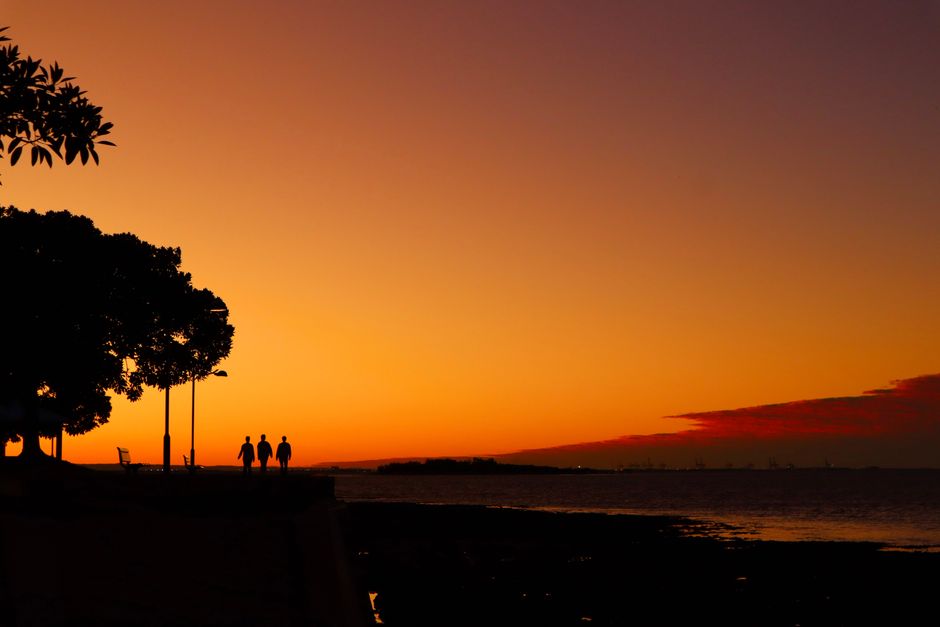
May gives travelers more usable daylight, but that does not mean every evening needs a packed itinerary. The best May evening strolls have one clear purpose, a sensible finish time, and enough empty space to feel like a break.
Why May Is the Best Month for an Unplanned Evening Walk
May sits in the useful middle ground between spring and summer. The days are long enough for a walk after dinner, yet many destinations have not reached their busiest seasonal pace. You can see a neighborhood, waterfront, park, or old town without treating the evening like a second sightseeing shift.
The basic reason this works is simple: daylight gives you a larger daylight budget. You do not need to spend all of it. A 45-minute stroll at 7:30 p.m. can still include bright streets, open cafés, visible landmarks, and a comfortable route back to your hotel. That is very different from rushing through three attractions because a guidebook says they are nearby.
Use the light, not the clock
Local clock time can mislead you. In London, sunset in mid-May is close to 8:50 p.m.; in Paris, it is closer to 9:30 p.m.; in New York, it is around 8:05 p.m. The difference matters, but sunset is not the real stopping point. You still have usable light during civil twilight, the period after sunset when outdoor details remain fairly easy to see. Check the sunset and twilight times for the exact date, then plan the walk backward from your preferred return time.
Choose a small reason to go
A stroll needs a point, but it does not need a full activity list. Pick one reason: watch the harbor lights come on, find a bakery for breakfast supplies, walk beside a river, or see a residential district after the workday ends. One purpose keeps the route focused and leaves room for detours. That is the main advantage May offers: more time to wander without needing more plans.
How Much Evening Walk Time Do You Really Have?
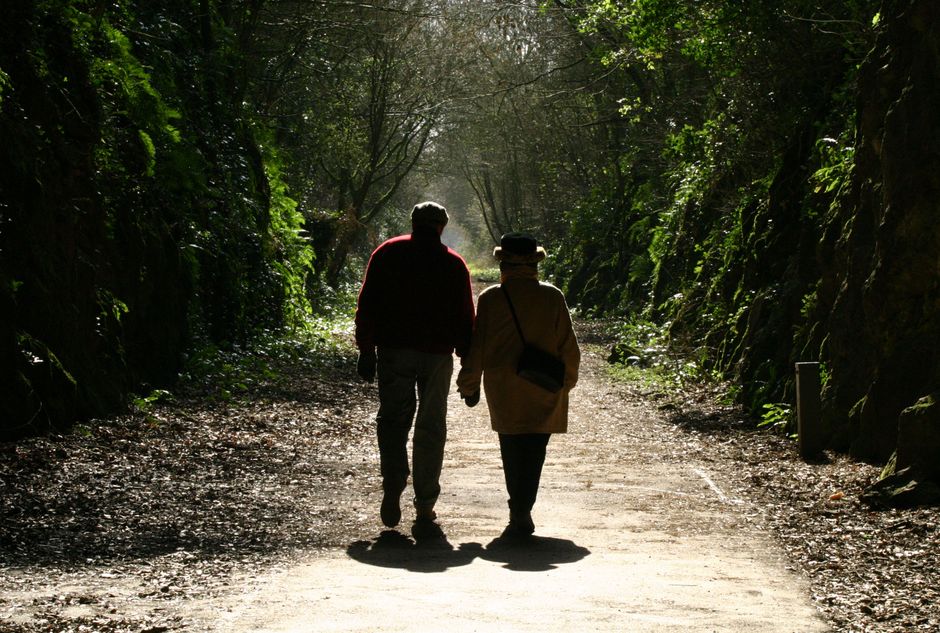
The right route length depends on latitude, weather, terrain, and how much energy remains after the day. Use the table as a planning guide, not a promise. Sunset times shift by location and date, and hills or dense buildings can make a street feel dark sooner.
| Destination example | Approximate mid-May sunset | Comfortable stroll window | Best route length |
|---|---|---|---|
| New York City | About 8:05 p.m. | 6:45 to 8:30 p.m. | 2 to 4 miles |
| London | About 8:50 p.m. | 7:15 to 9:20 p.m. | 2 to 5 miles |
| Paris | About 9:30 p.m. | 7:45 to 10:00 p.m. | 2 to 4 miles |
| Seattle | About 8:55 p.m. | 7:00 to 9:30 p.m. | 2 to 5 miles |
| Reykjavik | About 10:30 p.m. | 8:00 to 11:30 p.m. | 2 to 6 miles |
Build in a return margin
Set the turnaround point at least 30 minutes before the light feels marginal. That buffer covers a slow crossing, a wrong turn, a crowded sidewalk, or a stop for coffee. The walk should end while you still feel in control of the route.
Match distance to terrain
Three flat miles through a compact city can feel easier than one steep mile through an old hill town. Count elevation, cobblestones, heat, and stairs as part of the distance. For a first evening in a new place, two miles is the smart default. Add distance only after you know how the route behaves.
The Best Evening Stroll Is the One You Can Cut Short
A route needs an escape hatch
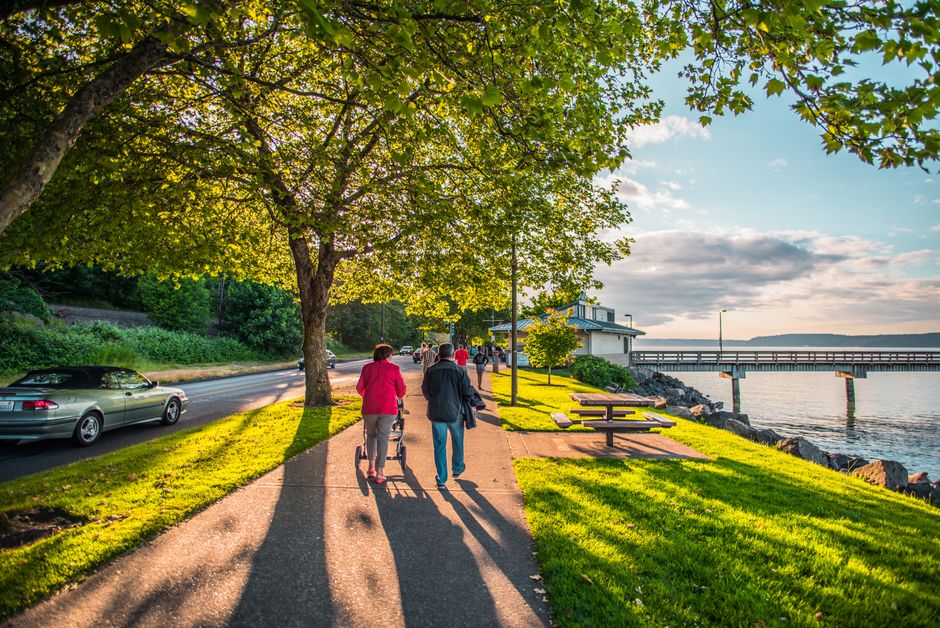
My firm view: a May evening walk should have a planned exit before it has a planned extension, because the real risk is not missing one more street but turning a pleasant hour into a tiring two-hour march after rain, sore feet, a late meal, or an unfamiliar neighborhood changes the mood, and a route with a nearby tram stop, taxi rank, hotel, or well-lit main road lets you stop while the experience is still good.
Do not confuse late light with unlimited energy
Long daylight creates the illusion that the day is still young, but your body may have been walking since breakfast, so the correct verdict is blunt: plan 60 to 90 minutes for most May strolls, treat two hours as a maximum for a first attempt, and cut the route when the walk stops feeling curious and starts feeling like an obligation.
What to Carry Without Turning the Walk Into a Packing List
You need less gear than travel content usually suggests. Comfortable shoes, a charged phone, a thin layer, and water cover most city walks. The goal is to stay comfortable while keeping both hands free.
Use a light layer for the temperature drop
A packable layer earns its space in May because the temperature can fall quickly after sunset, especially beside water. It is a useful example, not a required purchase. A shirt already in your bag works just as well if it handles light wind.
Keep hydration simple
That size is practical for a warm urban walk, but it is excessive for a short stroll with reliable fountains or cafés. Carry the smallest bottle that covers the route.
Wear the shoes you already trust
Do not buy new walking shoes for the first evening of a trip. Blisters are a predictable failure, not bad luck. Wear shoes that have already handled at least two long walks, bring blister protection if you need it, and avoid carrying extra gear to solve a problem that comfortable clothing would prevent.
May Evening Stroll Questions That Actually Matter
Should I walk before or after dinner?
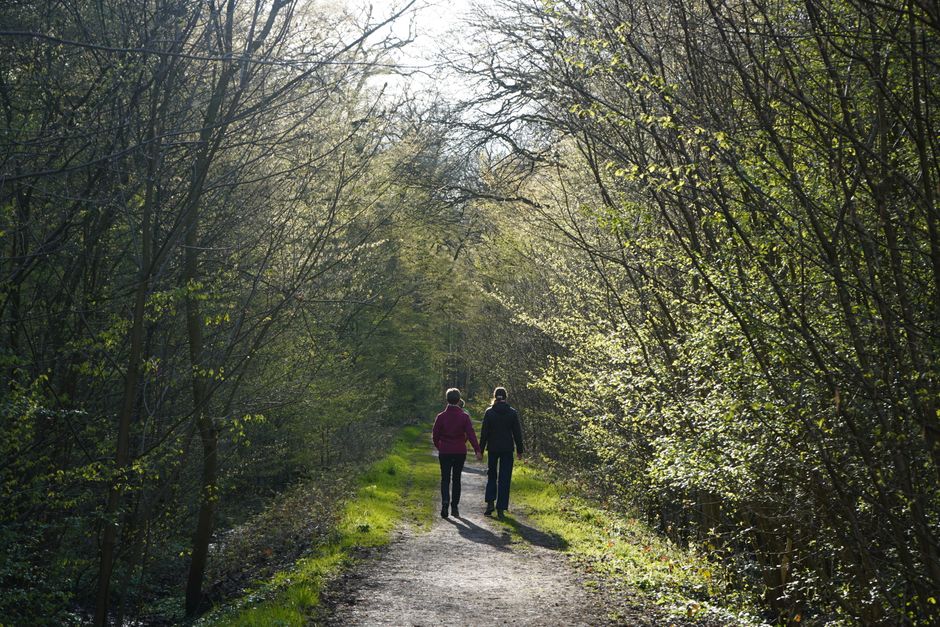
Walk before dinner if the destination has a strong sunset, waterfront, or public square. You will be more alert, and you can finish with a meal near the route. Walk after dinner when the neighborhood is the attraction and you want a slower, quieter circuit. Do not schedule a long walk after a heavy meal in a steep city. That is how a relaxed plan becomes uncomfortable.
How late is too late for a new neighborhood?
Use the destination’s normal evening rhythm, not a universal rule. A busy central district may feel comfortable at 10 p.m., while a quiet residential area may empty by 8:30 p.m. Check the route in daylight, stay on streets with open businesses and regular pedestrian traffic, and use the main road for the return. If you would not choose the street alone during the day, do not make it your nighttime shortcut.
What if the sunset is hidden by clouds?
Keep the walk. May evenings are not only about color in the sky. Cloud cover can make rivers, old stone, streetlights, and shop windows look better than a clear sky. Replace the sunset anchor with a market, arcade, covered passage, or lit square. The route should survive an ordinary weather forecast.
When to Skip the Stroll and Choose a Different Evening
A walk is not automatically the best use of longer daylight. Skip it when the route depends on a single viewpoint, when rain will make steep pavement dangerous, or when you have an early departure and still need to pack. More daylight does not erase fatigue or poor conditions.
Choose a short neighborhood loop instead
If you are tired, keep the experience close. Walk a 20-minute loop around the hotel, find a nearby public square, or sit outside with a drink and watch the street change. The tradeoff is less scenery, but you remove the stress of getting back from the far side of town. A short walk that feels easy beats a famous route that leaves you exhausted.
Choose public transport when distance is the point
Some destinations spread their best views across several miles. In that case, use transit for one direction and walk the other. A tram, ferry, or local bus can place you at the start of a scenic route without consuming the whole evening. This works especially well in large cities where the most interesting neighborhoods are too far apart for a casual loop.
Catch the failure before it starts
The common mistakes are predictable: starting too late, ignoring hills, trusting a route with no exit, wearing untested shoes, and adding one more attraction after the planned finish. Remove those decisions before leaving. A good May evening stroll ends with enough energy to shower, eat, and sleep—not with a desperate search for the last ride back.