Marrakech Vs Fes Culture: Marrakech vs. Fes: Which Moroccan City is Better for Culture Buffs in 2026
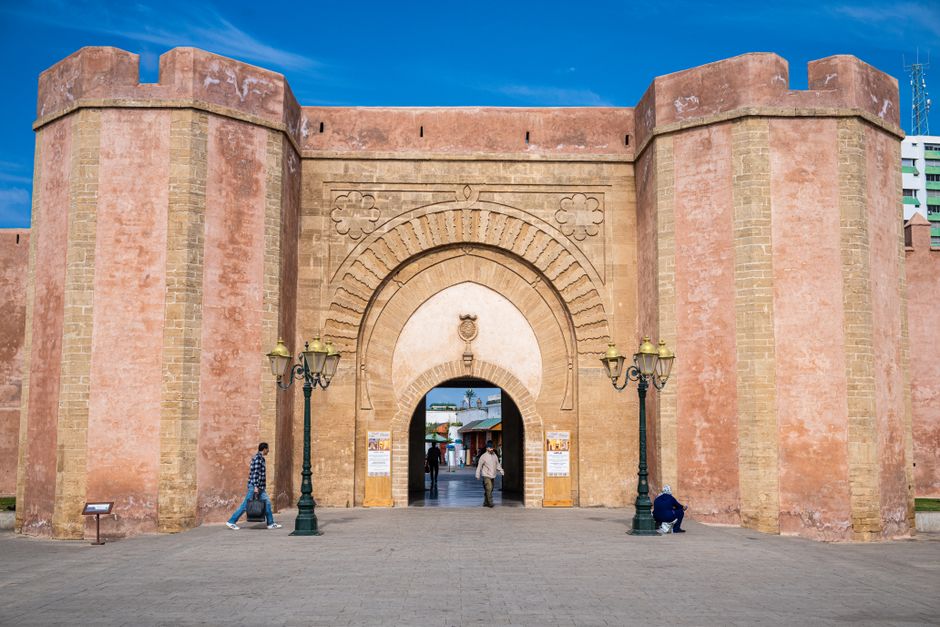
You have six days in Morocco. You can pick one city. Marrakech or Fes. Both sell the same postcard — winding alleys, spice mountains, and blue-tiled mosques. But they deliver completely different experiences. This is the honest breakdown for people who actually care about culture, not just Instagram corners.
What kind of culture do you actually want?
Culture is a broad word. It covers food, art, history, religion, craftsmanship, and daily life. Marrakech and Fes excel at different parts of that spectrum. Here is the blunt truth:
- Fes is for the purist. It preserves medieval Islamic scholarship, tanneries that have run for 1,000 years, and a medina that feels like a living museum.
- Marrakech is for the curator. It has world-class contemporary art, a buzzing food scene, and a more accessible version of Moroccan culture that still feels authentic.
If you want to study traditional Quranic education, see artisans using the same techniques as the 13th century, and get lost in a city that barely changed since 1300 — pick Fes. If you want a mix of traditional and modern, with better restaurants and easier navigation — pick Marrakech.
Both are exhausting. Both are incredible. But they serve different travelers.
Medina showdown: Fes el-Bali vs. Marrakech medina
The medina is the cultural heart of either city. This is where you will spend 80% of your time. They are not the same.
Fes el-Bali: The world’s largest car-free urban zone
Fes el-Bali covers 300 hectares. It has 9,000 streets. No cars. Only donkeys, mules, and human legs. The alleys are narrow — some barely wide enough for two people. Google Maps is mostly useless. You will get lost. Plan on it.
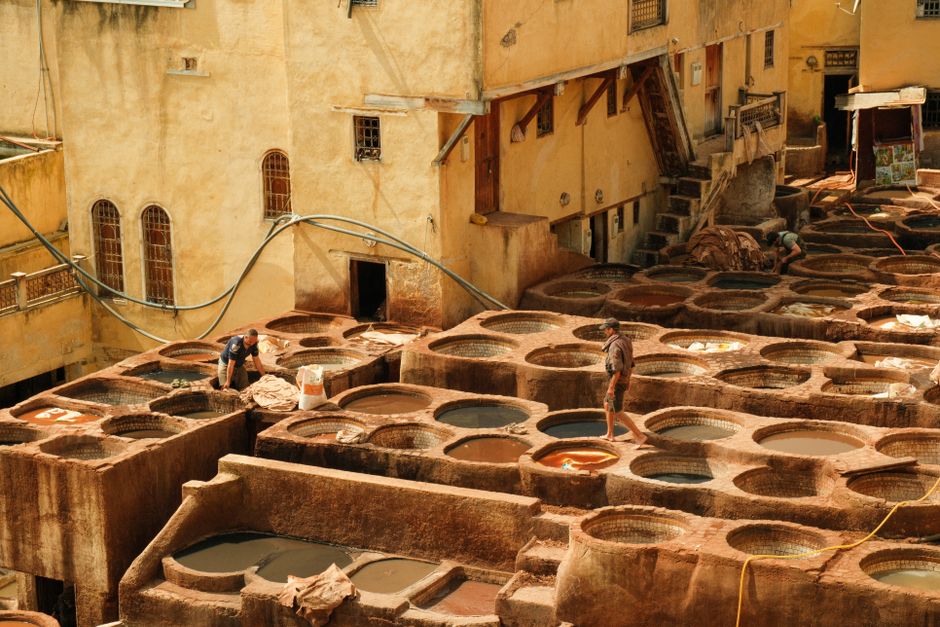
What you find: the Chouara Tannery (leather dyeing pits from the 11th century), the Al-Attarine Madrasa (a 14th-century school with cedar carvings and zellij tilework), and the Dar Batha Museum (a converted palace with ceramics and woodwork). Entry fees are low — 20-50 dirhams ($2-5).
The tradeoff: it is intense. Touts grab your arm. Kids offer “guides” that cost 200 dirhams. The smell near the tanneries is strong (bring mint leaves to hold under your nose). But for raw, unpolished history, nothing beats it.
Marrakech medina: Structured chaos with better infrastructure
Marrakech’s medina is smaller — about 200 hectares. It has wider main streets. You can use Google Maps in most areas. Taxis drop you at the edges. The atmosphere is more tourist-friendly, but that also means more souvenir shops and less authentic daily life.
Key stops: Jemaa el-Fnaa square (food stalls, snake charmers, storytellers from 4pm to midnight), Bahia Palace (19th-century palace with intricate painted ceilings), and Ben Youssef Madrasa (restored 14th-century school, 50 dirhams entry).
The cultural value is real — Jemaa el-Fnaa is a UNESCO Masterpiece of Oral Tradition. But it is also a performance for tourists. Locals mostly avoid the square. The real culture happens in the side alleys, where you find bakeries, hammams, and metal workshops.
Verdict: For pure, immersive history, Fes wins. For a more comfortable, curated experience, Marrakech wins. Choose based on your tolerance for chaos.
Food culture: Street eats vs. fine dining
Moroccan food is not the same in every city. The regional differences matter.
Fes: Home of the traditional kitchen
Fes claims to be the birthplace of modern Moroccan cuisine. Dishes here are more complex, with longer cooking times. The city is famous for pastilla (sweet-savory pigeon pie, 60-80 dirhams), rfissa (shredded bread with chicken and lentils), and mrouzia (lamb with honey and almonds).
Best places: Restaurant Ruined Garden (set menu 180 dirhams, garden courtyard), Maison Moi Anan (modern pastilla, 120 dirhams), and street stalls near the tanneries for fresh bread and olives.
Marrakech: Diverse, trendy, and accessible
Marrakech has a broader food scene. You get traditional tagines, but also fusion restaurants, rooftop lounges, and international options. The street food at Jemaa el-Fnaa is iconic — try smen (fermented butter) with bread, merguez sausages, and snail soup (10 dirhams).
Best places: Nomad (rooftop, modern Moroccan, 150-200 dirhams), Le Jardin (garden setting, classic tagines), and the La Mamounia hotel for high-end dining (400+ dirhams).
Verdict: Fes for traditional, slow-cooked dishes. Marrakech for variety and modern interpretations. Both are excellent, but Marrakech has better options for picky eaters.
Art and museums: Who has the better collections?
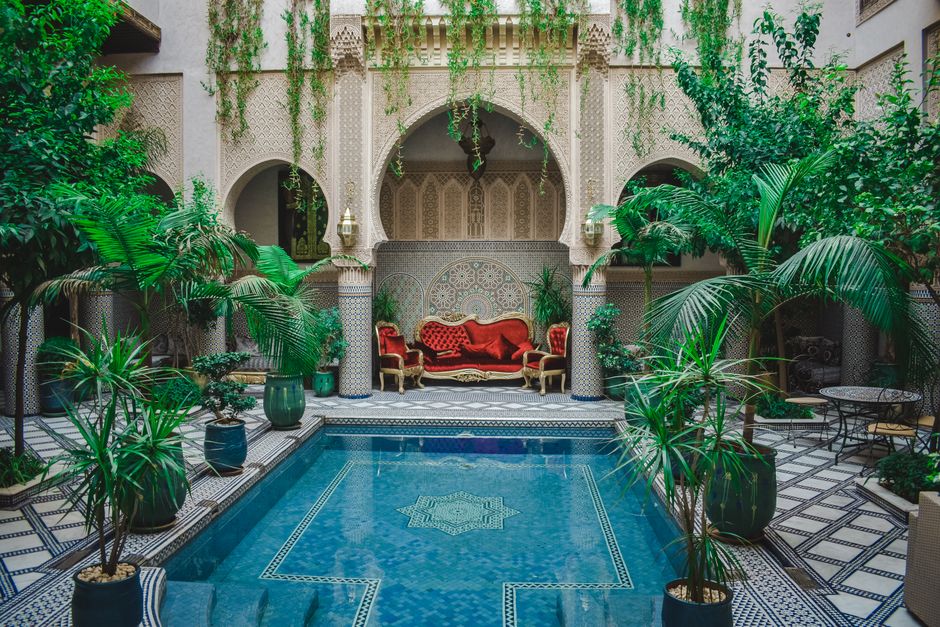
If your definition of culture includes galleries and museums, this section matters.
Marrakech: Contemporary art capital of North Africa
Marrakech has a serious contemporary art scene. The Museum of African Contemporary Art Al Maaden (MACAAL) is the standout — a 4,000 square meter space with rotating exhibitions of African artists. Free entry. Open Tuesday to Sunday, 10am-6pm.
Other options: Yves Saint Laurent Museum (150 dirhams, 500 pieces of fashion and design), Museum of Photography and Visual Arts (new in 2026, 80 dirhams), and the Maison de la Photographie (50 dirhams, vintage Moroccan photos from 1870-1950).
The Marrakech Biennale (next edition 2026) brings international artists to the city. If you time your trip, you get a world-class art festival.
Fes: Traditional craftsmanship as art
Fes has fewer museums, but the ones it has are excellent. Dar Batha Museum holds the country’s best collection of Fassi ceramics, woodwork, and embroidery. Entry is 20 dirhams. The building itself — a 19th-century palace — is worth the price.
The Museum of Wooden Arts & Crafts (free, inside the Fondouk el-Nejjarine) shows how Fassi artisans carved and assembled furniture without nails. Moulay Idriss Mausoleum is not a museum, but the tilework and calligraphy are breathtaking.
Verdict: Marrakech for contemporary art. Fes for traditional craft. If you want both, pick Marrakech — it has some traditional museums too.
Practical comparison: Cost, time, and logistics
Here is the data that matters for planning your trip in 2026.
| Factor | Marrakech | Fes |
|---|---|---|
| Flight from Europe (round trip) | $80-150 (Ryanair, EasyJet) | $120-200 (often requires connection) |
| Riad (mid-range, per night) | $60-100 | $40-70 |
| Medina guide (half-day, official) | 250-400 dirhams | 200-300 dirhams |
| Tagine in a restaurant | 60-100 dirhams | 40-70 dirhams |
| Getting lost time (average per day) | 20 minutes | 1-2 hours |
| Tout harassment level | Moderate | High |
Key insight: Fes is cheaper overall, but the navigation difficulty adds stress. Marrakech costs more but is easier to manage. If you are a solo female traveler or have limited time, Marrakech is the safer bet.
Which city should you choose in 2026?
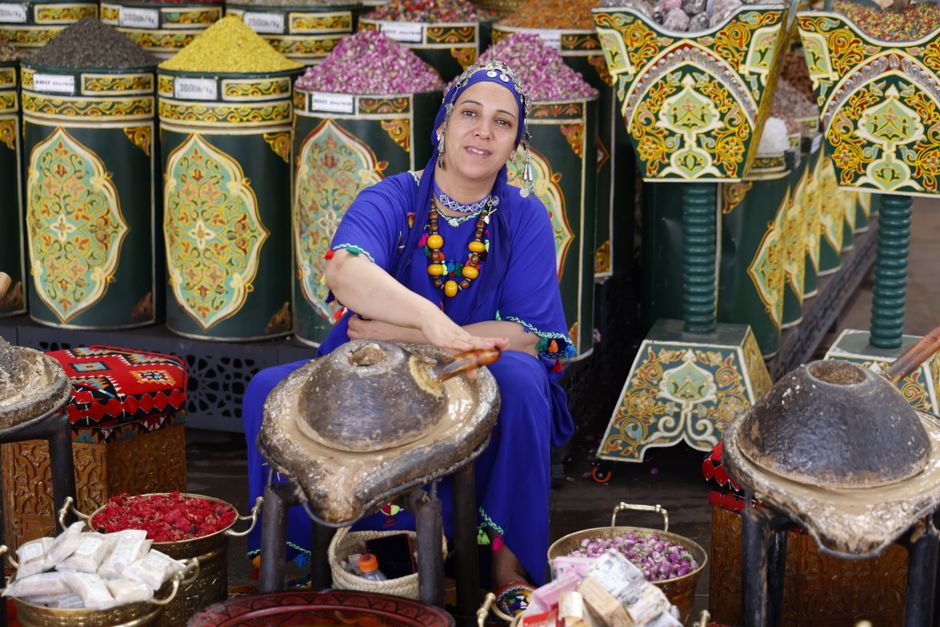
Here is the compressed verdict.
Choose Fes if: you want to see a pre-industrial city that still functions like one. You are interested in Islamic history, traditional crafts, and don’t mind getting lost. You have at least 4 full days to explore. You want cheaper food and accommodation.
Choose Marrakech if: you want a mix of old and new. You care about contemporary art. You want better restaurants and easier logistics. You have 2-3 days. You are traveling with kids or someone who gets overwhelmed easily.
Both cities are culturally rich. But they reward different kinds of travelers. Fes demands patience and rewards it with authenticity. Marrakech offers convenience and rewards it with variety. Neither is wrong. Pick the one that matches your travel style.
Morocco is not a country you visit once. If you love your first city, you will come back for the other.