California Road Trips: Don’t Make These Common Mistakes
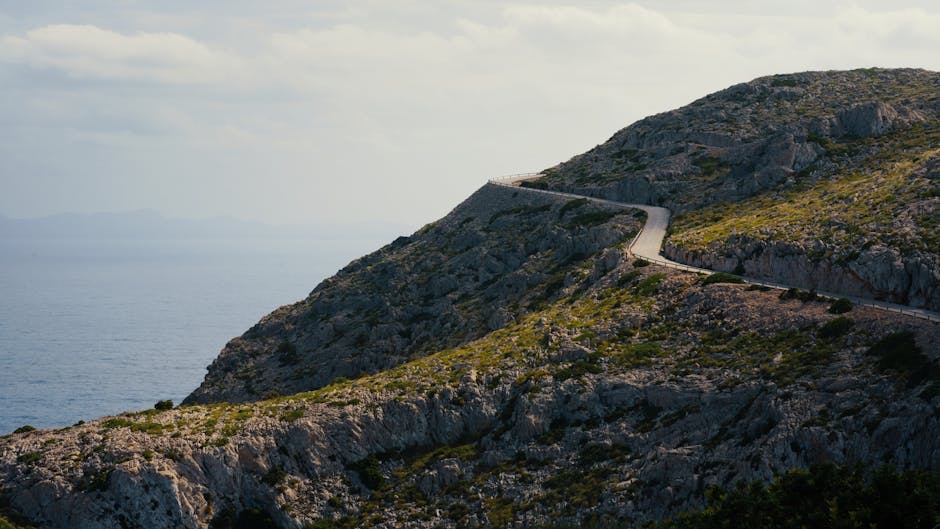
Everyone dreams of a California road trip, right? I sure did. For years, I pictured myself cruising Highway 1, ocean breeze in my hair, pulling over for iconic Big Sur photos. And yeah, that drive is incredible. But here’s the thing I learned after many trips: focusing solely on that one route, or trying to cram too much into too little time, is the biggest mistake you can make. It’s like trying to eat a gourmet meal by just licking the plate. California is vast, diverse, and has so much more to offer than just the coastal highway. You’ll miss out on the real magic.
Thinking Highway 1 Is Your Only Option? Think Again.
Look, I get it. The Pacific Coast Highway, especially the Big Sur stretch, is legendary. It’s gorgeous. It’s iconic. And everyone wants to do it. But here’s my take: if that’s your only plan, you’re selling yourself short. You’re also signing up for potential traffic, expensive accommodations, and, depending on the season, fog so thick you might as well be driving in Kansas. I’ve been there, staring at a white wall where the ocean should be, kicking myself for not diversifying my route.
California isn’t just about the coast. It’s about towering redwoods, stark deserts, alpine lakes, and world-class wine regions. My preference? Mix it up. Don’t just stick to the coast. You’ll have a more authentic, less stressful, and ultimately more rewarding trip if you venture inland, even for a day or two. You get a completely different feel for the state.
The Central Valley Bypass: Speed vs. Scenery
When I need to get from Northern to Southern California (or vice-versa) without spending three days doing it, I don’t touch Highway 1. I hit the 5. Is it scenic? No. Is it fast? Yes. It’s a straight shot, often boring, but efficient. People often try to force their coastal trip to be both fast and scenic, which leads to rushing through Big Sur or skipping key stops. My advice? Embrace the 5 for pure transit, then dive deep into scenic routes when you have the time to truly enjoy them. Don’t try to make it something it’s not. Save the good stuff for when you can savor it.
Northern California’s Lost Coast & Redwoods
Instead of just driving Highway 1 north of San Francisco, which is fantastic but still coastal, pivot. Head north towards the Lost Coast and the Avenue of the Giants. This is where California starts to feel truly wild. The roads are twisty, the cell service is spotty, and the redwood trees are absolutely gargantuan. It’s a different experience entirely. You trade picturesque ocean views for ancient, towering forests. I guarantee it’ll be a highlight.
Southern California’s Desert Gems
If you’re in Southern California, skip the crowded beaches for a bit and head east. Joshua Tree National Park, Anza-Borrego Desert State Park, or even a trek towards Death Valley National Park offer landscapes you won’t believe are in the same state. These aren’t just empty spaces; they’re ecosystems bursting with unique life, incredible geology, and some of the darkest night skies you’ll ever see. It’s a completely different vibe, and for me, often a much-needed change of pace from the coastal bustle.
The Redwood Coast: A Different Kind of Epic Drive.

Forget the ocean for a bit and immerse yourself in California’s ancient giants. My favorite northern California road trip isn’t about beaches; it’s about the Redwood Coast. This isn’t just a drive; it’s an experience that makes you feel tiny and awestruck. If you’ve only seen photos, trust me, they don’t do these trees justice. Driving through the Redwood National and State Parks is something everyone should do at least once. It’s cooler, often misty, and utterly magical.
-
Cruising Through Redwood National and State Parks
This is the main event. You’ll find yourself driving through groves that feel like cathedrals. My recommendation is to take the Newton B. Drury Parkway or the scenic drive through Prairie Creek Redwoods State Park. Keep an eye out for Roosevelt elk grazing in the meadows. Don’t just stay in your car; pull over, get out, and walk some of the trails. The Tall Trees Grove hike, though requiring a permit, is an unforgettable experience. The sheer scale of these trees, some over 300 feet tall and thousands of years old, is something you have to feel to understand. Allow a full day, if not two, to truly explore these parks.
-
Off-the-Beaten-Path: The Avenue of the Giants
South of the main national parks, this 31-mile scenic bypass runs parallel to Highway 101 through Humboldt Redwoods State Park. This is where you find some of the most accessible and impressive groves. Don’t miss the Founders Grove, with its massive fallen tree that gives you a sense of scale, or the Immortal Tree, which has survived countless fires and floods. It’s less crowded than some other spots and offers plenty of pull-offs for short walks. There are also quirky attractions like the Shrine Drive-Thru Tree, which, while a bit touristy, is still a fun photo op. This is a must-do if you want to really get amongst the giants.
-
Coastal Charm: Eureka to Crescent City
While the focus here is redwoods, the coast up here is rugged and beautiful in its own right. Stop in towns like Ferndale, a charming Victorian village, or Trinidad, a picturesque fishing harbor. Eureka offers historic architecture and a lively boardwalk. As you head further north towards Crescent City, the coast becomes wilder, with dramatic sea stacks and fewer people. This stretch of Highway 101, mixed with coastal detours, gives you a taste of both the forest and the sea, combining two incredible California landscapes into one unforgettable drive. Always check local small-town bakeries; they often have the best coffee and pastries.
Beyond the Coast: Deserts, Dunes, and Stargazing Routes.
My desert trips have consistently been some of my most memorable California adventures. People think of deserts as barren, but they’re incredibly diverse and full of life, especially if you know when and where to look. They offer a profound quiet and night skies you just can’t get anywhere else.
What’s the best time to visit California’s deserts?
Hands down, the best time is late fall through early spring. Think October to April. Summers are brutal, with temperatures regularly soaring above 100°F (38°C), making daytime exploration dangerous. I once tried a late May trip to Death Valley, and it was a mistake. The car’s AC struggled, and stepping outside felt like walking into an oven. Winter offers mild days and cool, crisp nights perfect for campfires and stargazing. If you hit it right, usually late February to early April after good winter rains, you might even catch a spectacular wildflower bloom in places like Anza-Borrego. That’s a truly magical experience.
Which desert parks are worth the detour?
You’ve got a few top contenders, each with its own character. Joshua Tree National Park is popular for a reason: its unique trees, rock formations for climbing, and vibrant art scene in nearby towns like Twentynine Palms and Yucca Valley. It’s relatively easy to access from Los Angeles. For something more remote and extreme, Death Valley National Park is unparalleled. It holds records for heat and lowest elevation in North America, but its vast salt flats, colorful badlands, and towering dunes are breathtaking. You need a few days there. Then there’s Anza-Borrego Desert State Park, California’s largest state park, known for its slot canyons, palm oases, and metal sculptures scattered across the landscape. The driving here is often on unpaved roads, so it feels like a real adventure. I strongly recommend exploring at least two of these to get a full desert picture.
How do I prepare for desert driving?
Preparation is key, and I speak from experience. My first desert trip, I underestimated how quickly things could go wrong. Here’s what I always do now: first, ensure your vehicle is in top condition – check tires (including spare), fluids, and battery. Carry plenty of water; I mean at least a gallon per person per day, plus extra for emergencies. Cell service is unreliable, so a good physical map and a downloaded offline GPS app are non-negotiable. I also pack a basic emergency kit: jumper cables, a small shovel, a first-aid kit, and a fully charged portable power bank. Inform someone of your route and expected return time. Stick to marked roads, especially if you don’t have a high-clearance 4×4, and be aware that sand can be deceivingly soft. And never, ever assume there will be gas stations readily available; fill up whenever you can.
Road Trip Planning Mistakes I’ve Made (So You Don’t Have To).

After a few too many mishaps, I’ve refined my planning process. The biggest problem I see people make is either over-planning every minute or under-planning to the point of chaos. There’s a sweet spot, and it usually involves a bit of flexibility.
-
Over-scheduling and Underestimating Distances
This is probably my most common early mistake. You look at a map, see three amazing spots, and think, “Oh, those are only a few hours apart.” In California, a “few hours apart” can easily become half a day with traffic, road construction, or simply wanting to pull over for that stunning view. I used to plot out detailed itineraries with specific arrival times, and it always led to stress. Now, I pick one or two major destinations per day, maybe a few optional stops, and build in plenty of buffer time. If you plan to drive more than 300-400 miles in a day and expect to enjoy the scenery, you’re going to be disappointed. True enjoyment comes from slowing down, not hitting every single landmark.
-
Booking Accommodations (or Not)
Deciding whether to book everything in advance or wing it depends entirely on the season and your tolerance for risk. During peak season (summer, holidays, prime wildflower blooms in the desert), you absolutely need to book campsites or hotels months ahead, especially for popular areas like Yosemite or Big Sur. I learned this the hard way trying to find a last-minute spot near Yosemite in July – ended up driving an extra two hours to find something remotely affordable. However, in shoulder seasons or less popular areas, having some flexibility can be great. My strategy: book major, high-demand spots well in advance, and leave a few nights open for spontaneous detours or if I find a cool town I want to explore longer. Always have a backup plan, even if it’s just knowing where the next town with lodging options is.
-
Ignoring Vehicle Prep
Your car is your lifeline on a road trip. Don’t skip the basic maintenance. I always get an oil change, check tire pressure (and the spare!), and ensure all my lights are working before any long journey. Crucially, check your tire tread. Driving on bald tires in unexpected rain or snow (which can happen in California mountains even in spring) is genuinely dangerous. A simple check can prevent a huge headache, or worse. I carry a basic toolkit, jumper cables, and a tire repair kit. It’s a small investment for massive peace of mind, especially when you’re far from a service station in the middle of nowhere.
Navigating California’s Traffic & Seasons: My Hard-Earned Wisdom.
California traffic is a beast. Anyone who tells you otherwise hasn’t driven through Los Angeles or the Bay Area at rush hour. It’s not just big cities either; even small towns near popular attractions can grind to a halt. You have to be smart about when and where you drive. Planning around seasonal variations is also crucial, particularly if you’re heading into the mountains or deserts.
| Factor | Best Practice / Avoid | Why It Matters |
|---|---|---|
| Major City Traffic (LA, SF) | Avoid 6 AM – 10 AM and 3 PM – 7 PM weekdays. Drive early mornings (before 6 AM) or late evenings (after 8 PM). Weekends are generally better but still busy midday. | These hours are gridlock. A 30-minute drive can become 2 hours. You’ll waste valuable vacation time sitting still. |
| Coastal Roads (Highway 1, Southern CA) | Aim for early mornings (before 9 AM) or late afternoons (after 4 PM). Weekdays are better than weekends. | Popular scenic routes get incredibly congested, especially on weekends and holidays. Parking at viewpoints can be impossible. |
| Mountain Passes (Sierra Nevada) | Check road conditions (Caltrans) frequently, especially Oct-May. Carry chains (even if not required initially). Avoid major snowstorms. | Passes like Tioga Pass (Hwy 120 into Yosemite) or Sonora Pass (Hwy 108) close for winter. Even open passes can require chains or close suddenly due to weather. |
| Desert Heat (Death Valley, Joshua Tree) | Visit Oct-Apr. Avoid May-Sept. Plan activities for early morning or late afternoon during warmer shoulder months. | Extreme summer temperatures (100°F+) are dangerous for vehicles and humans. Essential to carry abundant water. |
| National Park Entrances | Arrive before 8 AM or after 4 PM, especially Yosemite, Sequoia, or popular coastal parks. Book entry reservations when required. | Long lines at park entrances, especially during peak season, can delay your day significantly. Some parks require advance reservations for entry. |
Peak Season Travel Bottlenecks
I’ve learned that patience is key during peak season. Summer, especially around major holidays like the 4th of July or Memorial Day, turns popular routes and national parks into slow-motion parades. If your only option is to travel then, my strong recommendation is to get up early. I’m talking wheels on the road by 6:00 AM. You can cover significant ground and hit popular viewpoints before the crowds descend. For example, driving through Big Sur before 8:00 AM on a summer Saturday is a completely different experience than trying it at noon. It’s the difference between serene beauty and stop-and-go frustration.
Mountain Passes and Winter Conditions
Don’t underestimate California’s mountains. The Sierra Nevada range, which includes Yosemite, Sequoia, and Lake Tahoe, sees significant snow. Many iconic passes, like Tioga Pass (Highway 120), close completely for months during winter, typically from November to May or June. Always, and I mean always, check Caltrans (California Department of Transportation) for current road conditions before heading into any mountainous area between October and May. Even if a pass is open, chain controls can be enforced at a moment’s notice. I keep a set of snow chains in my trunk if I’m venturing into the mountains during those months, even if the forecast looks clear. It’s a small hassle compared to being stranded or fined.
Essentials for a California Road Trip: What I Always Pack (and What I Ditch).
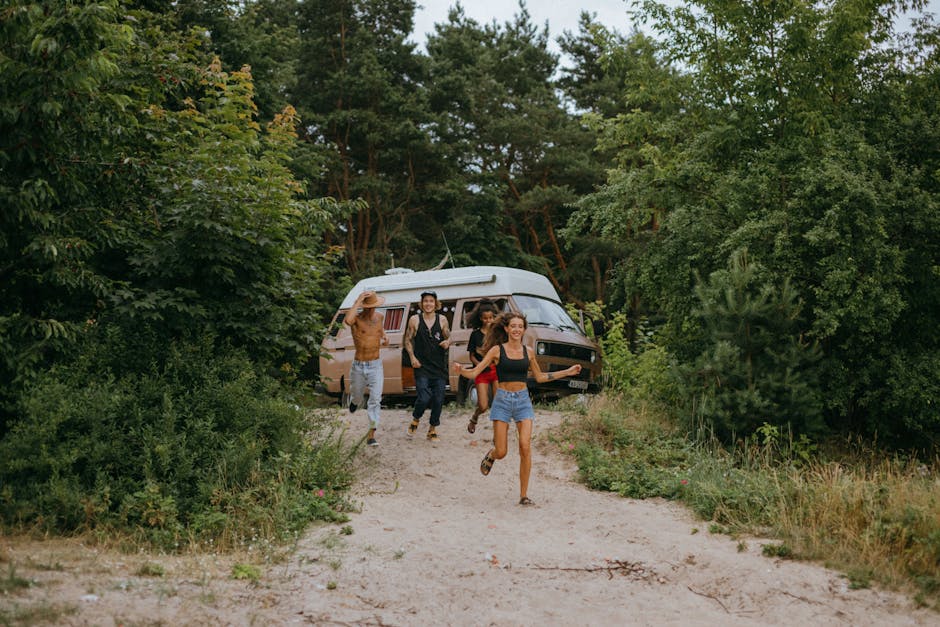
Over the years, my packing list has gotten leaner and smarter. I’ve gone from bringing everything but the kitchen sink to a streamlined setup that ensures comfort and readiness without clutter. My rule is: if it doesn’t serve multiple purposes or isn’t absolutely critical, it stays home.
The Unsung Heroes: Emergency Gear & Tools
This is non-negotiable. I always have a robust emergency kit. This includes jumper cables, a headlamp with extra batteries, a basic toolkit (wrenches, screwdrivers), duct tape, and a tire pressure gauge. A small, portable air compressor that plugs into your car’s 12V outlet has saved me more than once with slow leaks. A bright orange safety vest is also smart if you break down on a busy road. For desert or mountain trips, a small shovel and a bag of sand or cat litter can help if you get stuck. I also carry a first-aid kit, well-stocked with pain relievers, bandages, antiseptic wipes, and blister treatment. These items aren’t exciting, but they’re critical for self-reliance when you’re far from help.
Comfort & Convenience: Making the Drive Enjoyable
A good road trip is a comfortable one. For me, this starts with a comfortable pillow and blanket, even if I’m not camping. It’s great for passengers, or for a quick roadside nap. A cooler that can hold ice for at least 3 days is invaluable for drinks and snacks, saving money and allowing for flexibility. I prefer a soft-sided, insulated bag for day trips from the car. A portable power bank with at least 20,000 mAh capacity is a must for charging phones, cameras, and other gadgets, especially since car chargers can be slow or inconsistent. I also always bring a refillable water bottle and a separate, larger water jug for emergencies. Lastly, a good pair of binoculars makes scenic overlooks even better, allowing you to spot wildlife or distant features.
Food & Hydration Strategies
I’ve learned that relying solely on roadside diners or fast food gets old (and expensive) fast. My strategy involves packing a good mix of non-perishable snacks (nuts, granola bars, dried fruit) and easy-to-prepare meals if I have access to a camp stove or microwave. Think instant oatmeal, pre-made sandwiches, or ingredients for simple pasta. For hydration, beyond the cooler, I always have a designated water dispenser in the car, often a 5-gallon jug, especially for desert or remote trips. It’s not just for drinking; it’s for rinsing, emergencies, and ensuring you never run out. Coffee thermoses are also a must for early morning drives. Don’t underestimate the power of a good travel mug to keep your drinks hot or cold for hours.
The Best Drive? It’s Not What You Expect.
After all these miles and all these lessons, my firm opinion is this: the best road trip in California isn’t a single route you can map out on Google. It’s the one you build yourself, blending iconic coastal views with unexpected desertscapes or towering forests. It’s the trip where you embrace flexibility, learn from my mistakes, and allow California’s incredible diversity to surprise you. So, don’t just drive the PCH. Go explore. You won’t regret it.