Spring blossoms in Europe: The best places and times to visit
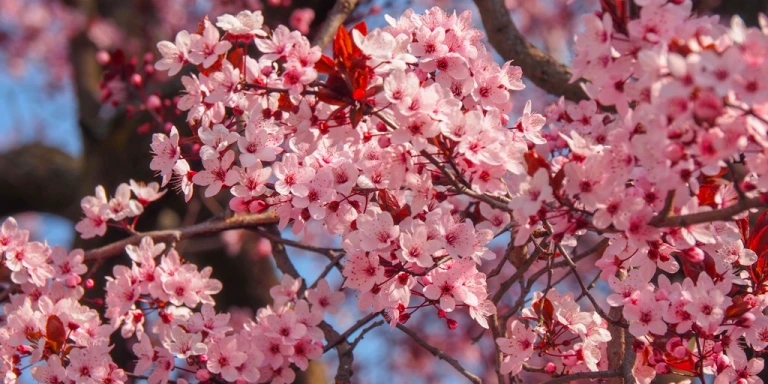
In 2026, over 1.4 million people visited Keukenhof Gardens in the Netherlands during its eight-week tulip season. That’s roughly 25,000 people per day. Most of them saw the same five selfie spots. The rest of the park — 79 acres of it — stayed quiet. This article tells you exactly where to stand, when to go, and which parks to skip if you hate crowds.
Where cherry blossoms peak first (and how to beat the rush)
Cherry blossoms in Europe don’t all bloom at once. The season starts in the south and moves north. If you chase the bloom, you can see pink trees from February to May.
Seville, Spain — late February to mid-March
The Parque de María Luisa has over 5,000 cherry trees. They bloom around the third week of February. Most tourists here are looking at the Plaza de España, not the trees. Walk east along the Avenida de Portugal. You’ll find a tunnel of pink with almost no one in it. The bloom window is tight — about 10 days. Check the Seville City Council’s tree-bloom tracker (free, updated daily in Spanish) starting February 1.
Barcelona, Spain — mid-March to early April
The Parc de la Ciutadella has a grove of 30 cherry trees near the lake. They bloom around March 20. The real show is at Montjuïc Castle — the Japanese cherry trees there were a gift from Kyoto in 1985. Bloom peaks around March 25. Go on a Tuesday morning at 8 a.m. You’ll have the place to yourself. By 10 a.m., the tour groups arrive.
Paris, France — late March to mid-April
Parc de Sceaux (20 minutes south of Paris by RER B) has the largest cherry orchard in the Paris region — 150 trees in a single grove. The Fête des Cerisiers en Fleurs happens here in early April. Entry is €4. The park is open from 8 a.m. to 8 p.m. The best spot is the Allée des Cerisiers, a 200-meter path lined with double-flowered varieties. Bloom lasts about 12 days. The Jardin des Plantes in central Paris has a smaller but more accessible grove (30 trees, free entry).
London, UK — mid-April to early May
Kensington Gardens has 90 cherry trees around the Albert Memorial. They peak around April 15. Greenwich Park has a cherry blossom avenue near the Royal Observatory. The view of the city through pink flowers is worth the uphill walk. Brogdale Collections in Kent (1 hour from London by train) has the national fruit collection — over 200 cherry varieties. The bloom here stretches from early April to mid-May. Entry is £10.50. You can taste the fruit in July if you come back.
Tulip mania: The one park worth the ticket and the two that are free
Everyone talks about Keukenhof. It’s beautiful. It’s also a logistical nightmare. Here’s how to actually enjoy it.
Keukenhof, Lisse — mid-March to mid-May
Keukenhof is open for exactly 8 weeks each year. In 2026, the dates were March 20 to May 11. Ticket price: €19.50 online, €23 at the gate. Parking: €8. The park plants 7 million bulbs annually. The best week is the second week of April — that’s when both early and late tulips are in bloom. Go at 8:30 a.m. when the gates open. The first two hours are quiet. By 11 a.m., the bus tours arrive. Avoid Saturdays entirely. The park hits 40,000 visitors on Saturdays. On a Tuesday morning, you’ll see 8,000.
Skip the indoor flower shows (the orchid and lily displays are crowded and small). Walk straight to the Willem-Alexander Pavilion, then head east to the Juliana Pavilion. The tulip fields are behind the park — you can see them from the windmill. Do not walk into the fields. Farmers will call the police. It happened 47 times in 2026.
Free alternative: Noordoostpolder tulip fields — late April
The Noordoostpolder region (2 hours northeast of Amsterdam) has 2,500 hectares of tulip fields. No entrance fee. No fences. You can cycle along the Tulip Route — a 100-kilometer loop through the fields. Rent a bike at Fietsverhuur Emmeloord (€15/day). The best week is the last week of April. The Tulip Festival (free, self-guided) runs from April 19 to May 5. Download the route map from their website. The fields are empty of tourists. You’ll see more tulips here than at Keukenhof, and you’ll see them alone.
Free alternative: Amsterdam Tulip Museum — year-round
If you just want to understand tulips, skip the fields and visit the Amsterdam Tulip Museum (€10 entry, 30 minutes to see everything). It explains the 1637 tulip mania, the biology of the flower, and why Dutch tulips are still the best in the world. The gift shop sells bulbs you can take home legally.
Wisteria tunnels: Europe’s most Instagrammed flower (and the one nobody knows about)
Wisteria blooms for exactly two weeks. If you miss it, you wait a year. The purple hanging flowers smell like grape candy. Here’s where to find them.
Kawachi Fuji Gardens (Japan) vs. the European alternative
Everyone wants to see the wisteria tunnel at Kawachi Fuji Gardens in Japan. It’s a 3-hour train from Tokyo, costs ¥1,500, and is packed with selfie sticks. The European alternative is Villa della Porta Bozzolo in northern Italy (1 hour from Milan by car). The wisteria pergola here is over 100 years old, 50 meters long, and blooms in late April. Entry is €10. You’ll share the pergola with maybe 20 other people. The scent is stronger than the Japanese version because the variety is Wisteria sinensis, which has more flowers per meter.
Glyndebourne, UK — mid-May
The Glyndebourne Opera House in East Sussex has a wisteria-covered facade that blooms in mid-May. The plant was planted in 1884. It covers the entire south wall. You can see it for free from the garden path. The opera season starts in May, so you can combine a bloom visit with a performance. Tickets start at £15 for the garden-only ticket. The wisteria peaks around May 15.
Parc de la Tête d’Or, Lyon — late April
This park has a 100-meter wisteria tunnel near the botanical garden. Free entry. Bloom peaks around April 25. Go at 7 a.m. when the park opens. The light filters through the purple flowers and makes everything look soft and pink. By 9 a.m., the joggers arrive. By 10 a.m., the photographers arrive. You have a 3-hour window of quiet.
The bluebell forests that beat any garden (and the mistake most tourists make)
Bluebells are wildflowers. They grow in ancient forests. When they bloom, the ground turns violet-blue. The smell is sweet and sharp. It’s better than any manicured garden.
Hallerbos, Belgium — mid-April
The Hallerbos (Hallerbos) is a 552-hectare forest 30 minutes south of Brussels. The bluebells here are famous. They cover the entire forest floor. The bloom peaks around April 15. Entry is free. The forest opens at sunrise. Go at 6:30 a.m. in mid-April. The light comes through the trees at a low angle and turns the bluebells electric. The Bluebell Trail is a 5-kilometer loop. It takes 2 hours to walk. The trail is marked with blue arrows. Do not step off the path. The bluebells are fragile. One footprint destroys a clump that took 5 years to grow.
The mistake tourists make: they go on a weekend. The Hallerbos gets 10,000 visitors on a Saturday in peak bloom. On a Tuesday, it gets 1,000. Go on a Tuesday.
Ashridge Estate, UK — late April to early May
The Ashridge Estate in Hertfordshire (1 hour from London by train) has the largest bluebell woodland in southern England. 2,000 hectares. Free entry. The bloom peaks around April 28. The Bridgewater Monument viewpoint gives you a view of the entire bluebell carpet. The estate has 6 marked walking trails. The 3-mile bluebell trail is the best. It takes 1.5 hours.
When NOT to visit bluebell forests
Do not go in May. Most guidebooks say the season runs through May. That’s wrong. The peak is the third week of April. By May 1, the flowers are fading. By May 10, they’re brown. The weather also matters. Bluebells close their flowers when it’s cloudy. Go on a sunny day. The flowers open fully only in direct sunlight. Check the Woodland Trust bluebell tracker (free, updated weekly) starting April 1.
Rhododendron valleys and alpine meadows: The late-spring bloom that everyone forgets
By May, most tourists have gone home. The cherry blossoms are gone. The tulips are gone. But the rhododendrons and alpine flowers are just starting. This is the quietest, most beautiful part of spring.
Loire Valley, France — mid-May
The Château de Chenonceau has a rhododendron garden with over 200 bushes. They bloom in mid-May. The château is 2 hours from Paris by train. Entry is €15. The garden is open from 9 a.m. to 7 p.m. The best time is 9 a.m. on a weekday. The flowers are pink, purple, and white. They grow along the river. The reflection in the water doubles the effect.
Swiss Alps — late May to early June
The Alpine Flower Trail at Zermatt opens in late May. It’s a 2-kilometer loop at 2,200 meters elevation. You take the Gornergrat railway (€48 return) to the top. The trail is free. You’ll see crocuses, gentians, and alpine roses. The snow is still melting in patches. The flowers bloom right at the snow line. The air is cold (5°C) and thin. Bring a jacket and water. The trail takes 1 hour. You will see maybe 10 other people. The view of the Matterhorn from the trail is better than any postcard.
Lake Bled, Slovenia — late May
The Vintgar Gorge near Lake Bled has rhododendrons that bloom in late May. The gorge is 1.6 kilometers long. Entry is €10. The rhododendrons grow on the cliffs above the river. The water is emerald green. The flowers are pink. The combination is unreal. Go at 8 a.m. when the gorge opens. By 10 a.m., the tour buses arrive from Ljubljana. The walk takes 1.5 hours. The path is wooden and narrow. It follows the river the entire way.
| Destination | Flower | Peak Bloom | Entry Fee | Best Time to Go |
|---|---|---|---|---|
| Parc de Sceaux, Paris | Cherry blossom | April 5-15 | €4 | 8 a.m. Tuesday |
| Keukenhof, Netherlands | Tulips | April 10-20 | €19.50 | 8:30 a.m. Tuesday |
| Hallerbos, Belgium | Bluebells | April 12-18 | Free | 6:30 a.m. Tuesday |
| Villa della Porta Bozzolo, Italy | Wisteria | April 25-May 5 | €10 | 9 a.m. weekday |
| Zermatt Alpine Trail, Switzerland | Alpine flowers | May 25-June 5 | Free (train €48) | 10 a.m. weekday |
The best spring blossom trip in Europe is not Keukenhof. It’s not the cherry blossoms in Paris. It’s the Hallerbos on a Tuesday morning in mid-April, then driving to the Noordoostpolder tulip fields the next day. Total cost for both: €0 entry. You’ll see more flowers than anyone at Keukenhof, and you’ll see them alone.