Train Ride in Europe: A Route That Works in 2026

The best first train ride in Europe is not a frantic tour of ten countries. It is a connected route with short transfers, two-night stays, and enough flexibility to survive one late train. For most travelers, London, Paris, Brussels, Amsterdam, Berlin, Prague, Vienna, and Budapest form a strong 10-to-14-day journey. You see several distinct cultures without spending every morning dragging luggage across a station.
What Does a European Train Trip Actually Cost?
A realistic rail budget for a 10-day European route is about €250 to €650 for intercity tickets, before hotels, food, local transport, and flights. The lower end requires advance booking and fixed departures. The upper end buys more flexibility or includes expensive high-speed and cross-border legs. Treat every advertised from price as a limited fare, not as the price you should expect on a busy Friday.
| Route | Typical journey time | Advance fare to target | Budget warning |
|---|---|---|---|
| London to Paris | 2 hours 16 minutes | From £39 on Eurostar | Border checks require extra station time |
| Paris to Brussels | About 1 hour 22 minutes | €29 to €70 | Cheap seats disappear quickly |
| Brussels to Amsterdam | About 1 hour 53 minutes | €25 to €70 | Compare direct and slower services |
| Amsterdam to Berlin | About 6 hours | €40 to €100 | Reserve early for weekends |
| Berlin to Prague | About 4 hours 15 minutes | €30 to €60 | Check engineering notices |
| Prague to Vienna | About 4 hours | €20 to €60 | Prices rise near holidays |
| Vienna to Budapest | About 2 hours 40 minutes | €15 to €40 | Buy from the national operator when possible |
The hidden cost is not always the ticket
Station transfers, luggage storage, seat reservations, and a missed-connection hotel can change the total. A €35 ticket becomes less attractive if it forces a five-hour wait or requires a taxi to a distant station. Keep at least €100 per traveler as a disruption buffer for a long trip. This is not financial advice; it is a practical travel-budget rule.
When a rail pass earns its price
A Eurail Global Pass or Interrail Global Pass can make sense when you want to change plans, take several expensive journeys, or use regional trains across multiple countries. It is a poor deal for a fixed route of short trips booked months ahead. Passholders may still pay seat-reservation fees, especially on international high-speed and overnight trains, so compare the pass cost plus reservations against individual tickets before buying.
Which First Route Gives You the Best Train Ride in Europe?
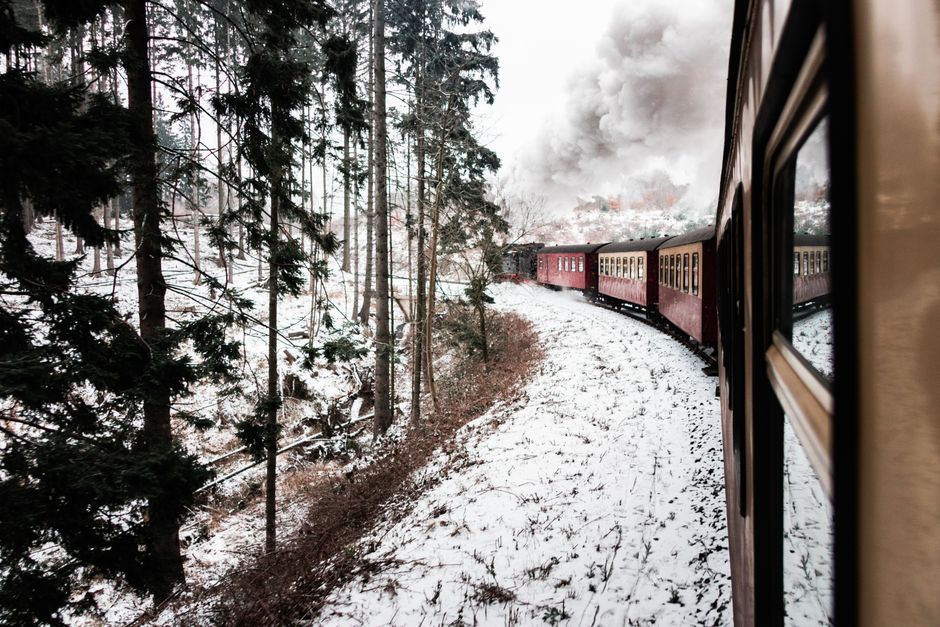
For a first European rail trip, choose London, Paris, Brussels, Amsterdam, Berlin, Prague, Vienna, and Budapest in that order, but remove one city if you have fewer than 12 nights, because seven hotel changes create more fatigue than sightseeing value.
Paris is the strongest opening stop because it gives you several direct onward choices, while Brussels works best as a two-night pause rather than a rushed afternoon visit built around a station connection.
Amsterdam to Berlin is the route where planning matters most: the distance is manageable, but the six-hour ride deserves a full travel block, so do not schedule a museum reservation or evening performance immediately after arrival.
Prague, Vienna, and Budapest form the most forgiving final stretch because the cities are linked by practical daytime services, the journeys are short enough for relaxed mornings, and each stop feels different without demanding a new flight or complicated border crossing.
How Do You Build a Route Without Wasting Vacation Days?
A good rail itinerary is built around geography first and attractions second. Draw a line across the map, then check the timetable. If the route repeatedly doubles back, crosses the same region twice, or needs three connections for a journey that looks short on a map, remove the stop. The strongest itineraries move in one direction and use the train as part of the experience rather than as a hidden airport day.
Use the one-three rule
Give one night only to a stop that works as a deliberate transit break, three nights to a major city with several neighborhoods or day trips, and two nights to most ordinary stops. That creates a useful rhythm: arrive, settle in, explore, and leave without turning every morning into a packing exercise. A 12-night trip might use three nights in Paris, two in Amsterdam, three in Berlin, two in Prague, and two in Vienna. Budapest can become a separate trip instead of a squeezed final night.
Protect the transfer day
Do not schedule a fixed attraction within four hours of a long international departure. Allow 30 minutes to find the correct platform, another 20 minutes for a platform change or queue, and a wider buffer for routes with a border check. For a journey with one connection, aim for at least 45 minutes between trains. A 12-minute connection may look efficient in an app, but a late first train, a large station, or a platform change can erase the margin.
Book hotels near the right station
Station names can mislead visitors. Paris has several major stations, and London St Pancras is not interchangeable with every London terminal. Choose accommodation within a 20-minute walk or direct metro ride of the station you actually need. Saving €20 on a hotel far from the departure point can cost more in taxis, time, and stress.
How Do Tickets, Passes, and Reservations Work?

Ticket systems look confusing because Europe has no single rail company, no universal fare calendar, and no one rule for reservations. Use this order when planning:
- Map the route by city and station. Write the exact departure and arrival stations before searching fares. A city may have several stations, and an incorrect station can turn a simple transfer into a cross-city trip.
- Check individual fares first. Search the official operator for each long leg. A cheap advance ticket normally has a fixed train and strict change rules, but it can beat a rail pass by a wide margin on a short itinerary.
- Price the pass honestly. For a Eurail or Interrail pass, add the pass price, every required reservation, and any local ticket that falls outside the pass network. A four-day pass is useful for four expensive travel days, not automatically for four cheap regional rides.
- Separate travel days from sightseeing days. A flexi pass counts the day, not the number of trains. Several short rides on one calendar day may offer value, while one cheap ride on its own may not.
- Reserve high-demand trains early. Eurostar, many Italian high-speed services, and popular night trains can sell out or become expensive near departure. A reservation is also useful when you need seats together or have a fixed hotel booking.
- Keep proof offline. Download tickets, reservation confirmations, passport details, and hotel addresses before leaving reliable Wi-Fi. A dead phone should not turn a valid booking into a negotiation at the platform.
The clear verdict is simple: buy separate tickets for a short, fixed route; compare a pass when the trip includes several long journeys or a real need for flexibility.
Which Rail Operators Are Worth Using?
My strongest pick for a first-time traveler is the operator with the simplest direct train, not the company with the flashiest cabin. A direct city-center connection beats a slightly cheaper itinerary with two changes, especially when luggage and unfamiliar stations are involved.
Best for western Europe: Eurostar
Eurostar is the obvious choice for London to Paris, Brussels, Amsterdam, and several connected routes. Its fastest London to Paris journey is 2 hours 16 minutes, and advertised one-way fares can start at £39 when bought early. The tradeoff is a border and security process at London St Pancras, so arrive based on the time printed on your ticket rather than treating the train like a local service.
Best for Italy: Italo or Frecciarossa
For Rome to Florence, Italo lists journeys around 1 hour 25 minutes and advance fares from €14.90 on selected departures. Trenitalia Frecciarossa covers the same core cities, with more than 100 daily Rome-to-Florence connections reported on its route information. My verdict is to compare both operators on the exact date, then choose the direct departure with the best change conditions. The cheapest fare is not useful if the schedule breaks your day.
Best for overnight travel: ÖBB Nightjet
ÖBB Nightjet can replace a hotel night on selected routes linking cities such as Vienna, Berlin, Hamburg, and Munich. Choose a couchette or sleeper when arriving rested matters more than maximizing privacy. Choose a daytime train instead if you sleep badly, need dependable morning energy, or are traveling with children who will not settle in a shared compartment.
What Usually Goes Wrong on a European Train Trip?
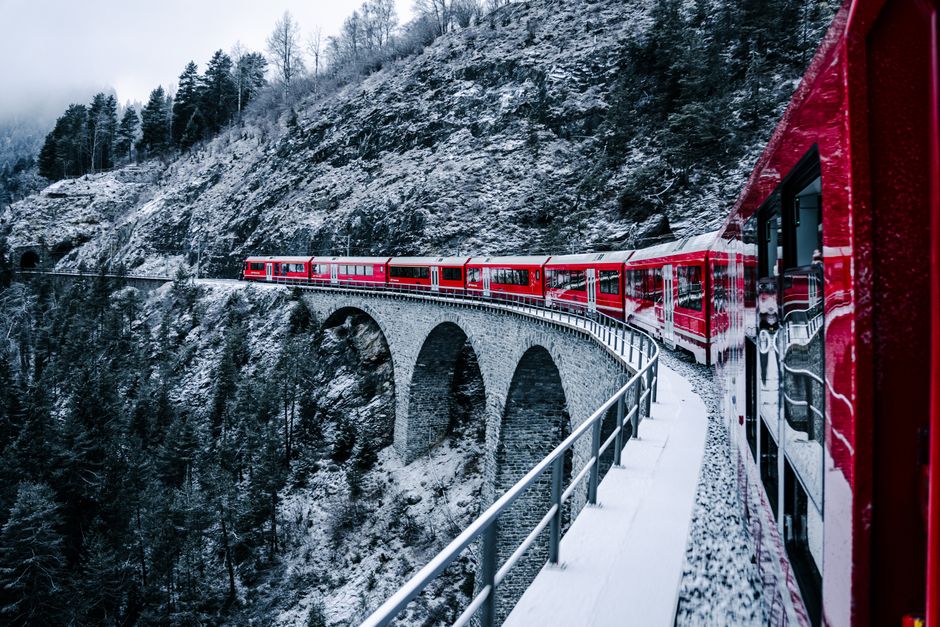
What if the first train is late?
Do not leave the platform until you know whether the operator has protected the connection. If both trains are on one booking, ask staff for the accepted next service. If you bought separate tickets, the second operator may treat you as a no-show. This is the main reason to leave a real buffer between independent tickets, especially across borders.
What if the station has multiple departure halls?
Check the full station name, train number, and final destination, not only the city. Large stations often display the final stop rather than your intermediate stop. Arrive 25 to 40 minutes early for a new station, and add more time at London St Pancras because international boarding closes before departure.
What if a rail pass does not cover the train?
A pass is not a magic key for every service. High-speed, private, and overnight trains may require a paid reservation, and some routes have limited passholder seats. Check the Rail Planner app or the operator before activating a travel day. If a route is sold out for passholders, buying a normal ticket or taking a slower train may be cheaper than rebuilding the whole trip.
What is the most common packing mistake?
Overpacking. A 20-kilogram suitcase is manageable in an airport but awkward on stairs, narrow platforms, and older trains without a clear luggage bay. One carry-on case and a small day bag make short transfers safer and faster. The practical verdict is to pack for one week and wash clothes instead of packing for every possible weather change.
When Should You Skip a European Train Ride?
Train travel is not automatically the best choice for every European journey. Skip the rail plan when the route crosses several mountain ranges with slow connections, when the trip involves remote islands, or when an overnight train costs more than a short flight plus a useful hotel location. Rail also loses its advantage when you spend more than half the holiday moving between cities rather than exploring them.
Choose a flight for extreme distances
For Madrid to Athens, Stockholm to Rome, or Lisbon to Vienna, a flight may protect a full day of vacation. Compare the complete cost, including the airport transfer, baggage, seat fee, and time required at the airport. A low headline fare is not automatically cheaper after those extras, but rail is not automatically better either.
Choose a car for rural regions
A car makes more sense for villages, national parks, coastal roads, and areas with infrequent local transport. It becomes a liability in historic city centers, where parking costs, restricted zones, and narrow streets can erase the freedom of driving. Use rail between major cities, then rent a car for only the rural portion if the itinerary needs one.
The final verdict
For a first trip, build around four to six cities, keep most legs under six hours, book the expensive segments first, and leave one recovery block every few days. The best train ride in Europe is the route that gives you enough time to enjoy each city after the train stops.