Best Hotels in DC for Walkable Sightseeing
The best hotels in Washington, DC are not always the most expensive ones. The right choice depends on how close you want to be to the National Mall, which Metro line you need, and how much time you plan to spend inside the hotel.
Start with the neighborhood, not the star rating
National Mall and Penn Quarter
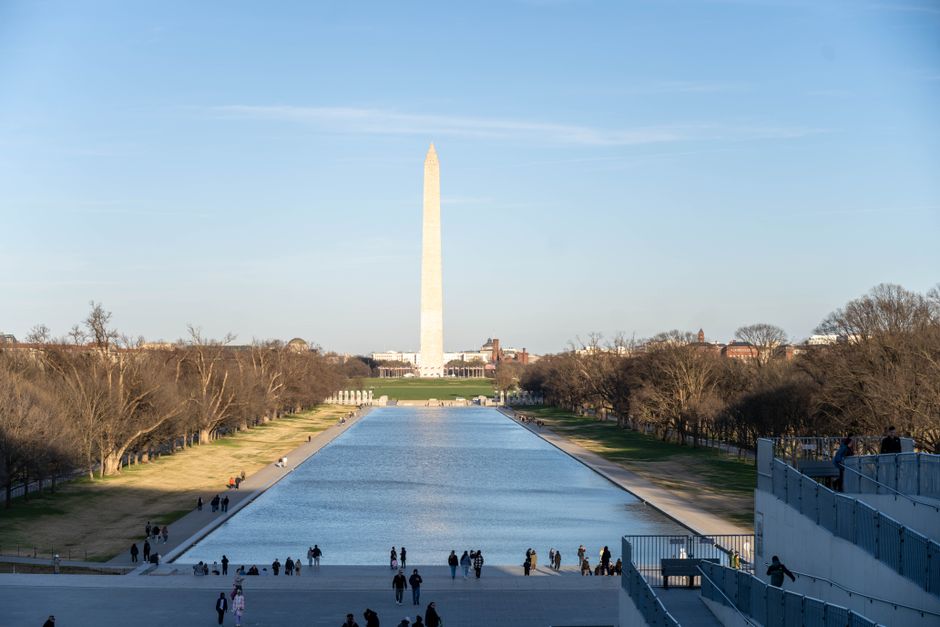
Choose the National Mall area if museums, monuments, and short walking routes matter most. You can reach the Smithsonian museums, the National Gallery of Art, the White House, and the Washington Monument without starting every day with a rideshare. Penn Quarter adds more restaurants, theaters, cafés, and evening activity, so it works better than the quieter Mall edge for a first visit. The tradeoff is cost: rooms here often command a premium during spring weekends, summer holidays, and major events.
Allow 15 to 25 minutes to walk from Penn Quarter to the central Smithsonian museums, depending on your exact hotel and the museum entrance. A hotel near Metro Center gives you fast access to the Red, Orange, Blue, and Silver lines, which helps when the afternoon heat or rain makes walking unpleasant.
Dupont Circle, Logan Circle, and NoMa
Dupont Circle suits travelers who want cafés, independent restaurants, bookstores, and a neighborhood feel. Logan Circle is a strong choice for food-focused weekends, while NoMa gives you newer buildings, easier access to Union Market, and convenient Red Line connections. These areas can deliver better room value than the blocks beside the Mall, but you will spend more time on Metro or foot for the monuments.
Best DC hotels by trip type and price
Use the table as a planning guide, not a live quote. The figures below are realistic nightly ranges for 2026 before tax; conference dates, cherry-blossom season, and holiday weekends can push rates far higher.
| Hotel | Planning rate | Best for | Useful detail |
|---|---|---|---|
| Riggs Washington DC | $350–$525 | Luxury and sightseeing | 181 rooms, Penn Quarter, complimentary bicycles |
| Conrad Washington DC | $289–$450 | Business trips and modern luxury | CityCenter location, LEED Gold building, rooftop views |
| The Morrow Washington DC | $220–$350 | Design and NoMa access | Rooftop dining, Red Line access, newer rooms |
| Lyle Washington DC | $190–$325 | Longer stays and neighborhood life | Dupont Circle setting, selected rooms with kitchenettes |
| The Jefferson | $425–$650 | Quiet luxury and service | Boutique atmosphere near 16th Street and the White House |
Best value calculation
Washington, DC applies a 15.95% hotel tax. A $289 room becomes about $335 before parking, meals, or extra property fees. That makes a $220 room roughly $255 after tax, saving about $80 per night compared with the Conrad before any other charges. For a three-night stay, that difference can cover museum meals, Metro fares, and one special dinner.
My category winners
Riggs Washington DC is the best all-around luxury pick for a first visit because its Penn Quarter position, 24-hour gym, complimentary bikes, and walkable access to downtown attractions reduce daily friction. The Morrow wins for travelers who prefer a newer hotel and NoMa restaurants, while Lyle is the smarter choice for a longer stay when extra space or a kitchenette matters more than being beside the Mall.
My clearest pick for a first DC visit
Winner: Riggs Washington DC
For most first-time visitors, Riggs Washington DC is the best hotel in DC because it gives you a strong mix of location, character, and useful amenities: the former Riggs National Bank building sits in Penn Quarter, the hotel has 181 rooms, the gym stays open around the clock, and guests can borrow Priority bicycles for short trips around the city. You are close enough to walk toward the National Mall, yet you also have restaurants and a lively evening area outside the door, which prevents the stay from feeling like a museum district sleepover. The rooms include Nespresso machines, blackout curtains, a 55-inch television, complimentary Wi-Fi, and D.S. & Durga bath products, so the higher rate buys more than a convenient address.
The tradeoff to accept
Riggs is not the right pick for a strict budget or a family that needs a pool. At $350–$525 before tax, it can cost substantially more than Lyle or The Morrow. Pick The Morrow instead if a rooftop setting, newer construction, and NoMa dining matter more than walking to the monuments; pick Lyle if your trip lasts four nights or more and room space will save restaurant costs. My luxury verdict remains Riggs, but only when the nightly price stays below roughly $500 before tax.
How to book a DC hotel without paying for the wrong location
Step 1: Map your daily anchor
Write down the place you will visit most: the National Mall, Walter E. Washington Convention Center, Union Station, Georgetown, or an office near downtown. Then check the hotel’s walking route, not just the distance shown on a booking page. A hotel listed as 0.7 miles from a museum may still require a long route around federal buildings, wide avenues, or restricted grounds. For a sightseeing trip, I would choose a hotel within a 20-minute walk of your main anchor or within five minutes of a Metro station.
Step 2: Compare the full nightly cost
Multiply the room rate by 1.1595 before comparing properties. Add parking separately; downtown valet parking can reach $60–$80 per night. A $240 room with $75 parking costs more than a $300 room near Metro when you stay three nights. Ask about breakfast, destination fees, early check-in, and cancellation deadlines before paying.
Step 3: Match the room to the trip
Reserve a standard king for a couple who will spend most of the day outside. Choose a suite or kitchenette for a longer stay, and request connecting rooms early for families. Check bed dimensions, crib rules, elevator access, and rollaway charges rather than trusting the word “family-friendly.” For business travel, prioritize a proper desk, strong Wi-Fi, and a direct Metro route over a rooftop bar.
Step 4: Avoid event-weekend pricing
Check the calendar for major conferences, presidential events, sports weekends, and cherry-blossom dates. If the flexible rate is only $15 more than the prepaid rate, keep the cancellation option. That small premium protects you when flight times change or a cheaper room appears later.
A five-step hotel check before you pay
Run this quick check on the hotel page and the final booking screen. It catches the mistakes that make an attractive room become an expensive inconvenience.
Use this checklist
- Confirm the address. Search the exact street on a map and identify the nearest Metro entrance, grocery store, and late-night food option.
- Price the complete stay. Add DC’s 15.95% lodging tax, parking, resort or destination charges, breakfast, and any daily facility fee.
- Read the cancellation line. Check the exact deadline and confirm whether the hotel charges one night plus tax after that time.
- Inspect the room type. Verify bed count, square footage, window status, accessible features, refrigerator availability, and maximum occupancy.
- Plan the final mile. Measure the walk from the station or parking garage with luggage. A pleasant 10-minute walk in daylight can feel very different after a late flight.
The mistake I would avoid
Do not book from a map pin alone. Some DC hotels sit near attractions but across a large avenue or several blocks from the entrance you need. The cheapest room is a bad deal if it adds two daily rideshares and $75 in parking. Location quality means the time and money saved after check-in.
DC hotel questions travelers ask

How many nights should I stay in Washington, DC?
Three nights is the practical minimum for a first visit. Use one day for the National Mall and Smithsonian museums, one day for the Capitol area and neighborhoods, and a third day for Georgetown, Arlington, or attractions you missed. Two nights works for a focused weekend, but the schedule will feel rushed.
Is it better to stay near the National Mall?
Yes, if monuments and museums are your main reason for visiting. A Penn Quarter or Metro Center hotel gives you nearly the same sightseeing convenience while offering more restaurants after dark. Stay in Dupont Circle or NoMa when you value neighborhood dining, larger rooms, or a lower nightly rate more than immediate Mall access.
Should I rent a car in DC?
No for most city trips. Metro, walking, buses, and occasional rideshares cover the main attractions, while hotel parking adds a large daily cost. Rent a car only for a trip that includes suburban Virginia, Maryland wineries, or several destinations outside the District.
Washington’s hotel scene continues to split into two useful styles: historic properties that make the city feel distinctive and newer hotels that improve room design and transit access. Choose the location that supports your daily route, and the hotel becomes part of the trip instead of another problem to solve.