How to Avoid Traveler’s Diarrhea in India: A Practical Guide

You booked the trip. You’re excited about the chai, the curries, the street food. But there’s this one thing gnawing at you: traveler’s diarrhea. Everyone calls it “Delhi belly” like it’s a rite of passage. It doesn’t have to be. Here’s exactly how to eat, drink, and medicate your way through India without spending three days in a hotel bathroom.
Why India’s Bugs Hit So Hard (And Why Your Gut Has No Defense)
Your digestive system has never met these bacteria. E. coli strains in India differ from the ones in your home country. So do Campylobacter, Shigella, and Salmonella variants. Your immune system is naive. That’s the first principle: it’s not that Indian food is dirty. It’s that your gut lacks the specific antibodies.
Most people get sick within the first week. The CDC says 30-70% of travelers to South Asia develop diarrhea. That’s not a guarantee. It’s a warning.
Your stomach acid normally kills these bugs. But if you take antacids or have low acid production naturally, your defenses drop. So does eating spicy food that temporarily dilutes stomach acid. That’s why one person at the table gets sick and the other doesn’t.
The One Vaccine That Actually Works
Dukoral is an oral cholera vaccine that also protects against ETEC (enterotoxigenic E. coli), the most common cause of traveler’s diarrhea. It costs about $80-100 per dose and requires two doses taken 1-6 weeks apart. It’s not 100% effective, but studies show it cuts risk by roughly 60-70% for ETEC strains. Most travelers don’t know this exists. Book a travel clinic visit 6 weeks before departure.
What You Can Drink (And What Will Ruin Your Trip)
Water is the biggest risk. Tap water in India carries bacteria, viruses, and parasites. Ice is made from tap water. So are the “washed” lettuce and the sliced mango from the cart. Here’s the rule: if it touched water you didn’t boil or filter, don’t eat it.
Safe drinks: Bottled water (check the seal is intact), chai from a busy stall (boiled milk and water), canned soda, fresh coconut water (cut open in front of you), and beer. Unsafe drinks: Tap water, ice cubes, fountain drinks, and any juice from a cart that looks pre-mixed.
Carry a SteriPEN Ultra ($100) or LifeStraw Go ($45) for backup. Boiling water for one minute kills everything. Boiling for three minutes at high altitude. That’s the standard.
Bottled Water Trap
Some vendors refill empty Bisleri bottles with tap water and reseal them. Check the plastic ring under the cap. If it’s loose or the seal looks tampered, don’t drink it. Twist the cap: a genuine factory seal cracks audibly. A reused bottle won’t.
Street Food: You Can Eat It (If You Watch The Heat)
Street food is not the enemy. Cold street food is. Bacteria multiply fastest between 40°F and 140°F. Anything that’s been sitting out for hours is a gamble. Anything cooked fresh in front of you, at high heat, and served immediately — that’s safer than a lukewarm buffet at a hotel.
Eat this: hot samosas straight from the fryer, roti off the tawa, dosa fresh off the griddle, and chai that’s been boiled. Skip this: pre-cut fruit, salads, raw vegetables, chutneys that have been sitting out, and dairy-based sweets like rasgulla from an open tray.
Peel your own fruit. Bananas, oranges, and mangoes with intact skin are safe. Wash the outside with bottled water before peeling. Your hands touch the skin, then the fruit. That’s how the bugs transfer.
| Food Type | Safe | Risky |
|---|---|---|
| Cooked street food (hot) | Samosa, pakora, dosa, roti | Anything sitting under a heat lamp |
| Fruit | Whole fruit you peel yourself | Pre-cut fruit, fruit salads |
| Dairy | Boiled milk (chai, coffee) | Unpasteurized milk, soft sweets |
| Drinks | Bottled water, canned soda, hot chai | Tap water, ice, fountain drinks |
The Medication Strategy: What to Pack and When to Take It
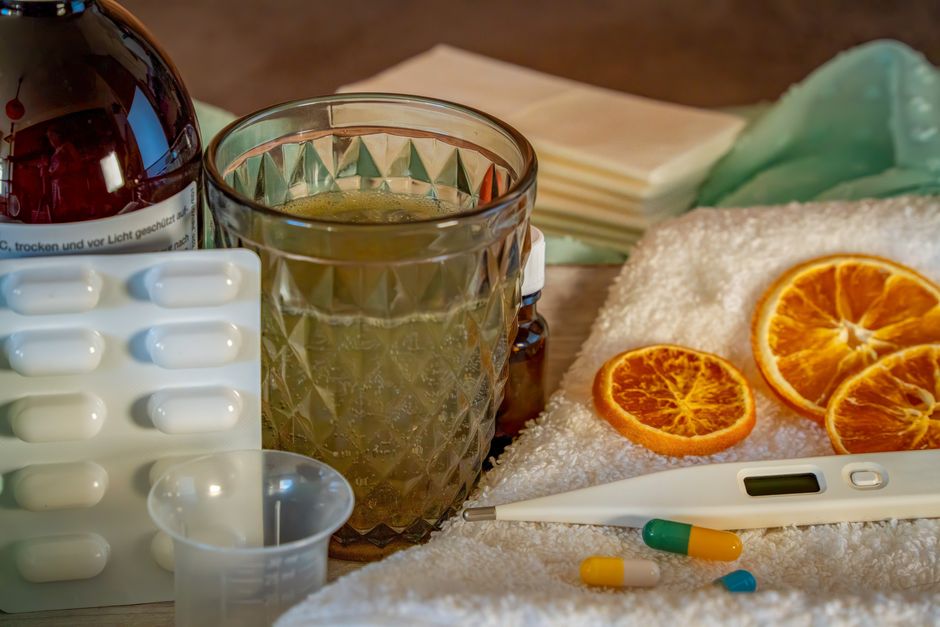
Carry three things. Bismuth subsalicylate (Pepto-Bismol, $8 for 24 tablets) taken four times a day can reduce risk by about 40%. It’s not a license to eat everything. It’s a safety net. Take it with meals if you’re eating something questionable.
Loperamide (Imodium, $6 for 12 capsules) stops symptoms. It does not kill the bacteria. Use it only when you absolutely need to travel — a long bus ride, a flight, a train journey. Do not use it if you have blood in your stool or a fever above 101°F. That means you have an invasive infection, and stopping the diarrhea traps the bacteria inside you.
Azithromycin is the antibiotic of choice for traveler’s diarrhea in India. You need a prescription. Get one from your doctor before you go. Dosage: 500mg once daily for 1-3 days. If symptoms don’t improve after 48 hours, see a doctor.
The Wrong Antibiotic
Don’t pack ciprofloxacin (Cipro). Resistance rates in India are above 70% for Campylobacter and above 50% for E. coli. It won’t work. Azithromycin and rifaximin (Xifaxan, $1,500 for 30 tablets — very expensive, but effective) are the current recommendations.
When You Get Sick Anyway: The 24-Hour Recovery Plan
It happens. You followed every rule and still got hit. Here’s the playbook.
Hour 1-2: Stop eating solid food. Start oral rehydration salts (ORS). Buy sachets before you leave — WHO-recommended formula costs about $0.50 per sachet. Mix one with 1 liter of bottled water. Sip slowly. Do not chug. Your gut can’t absorb fast enough and you’ll just vomit.
Hour 3-12: Continue ORS. Add plain white rice, bananas, or plain toast if you feel hungry. No dairy, no sugar, no spicy food. Sugar pulls water into your gut and makes diarrhea worse. That’s why soda is bad.
Hour 13-24: If you have no fever and no blood, take loperamide to stop the runs so you can sleep. Resume ORS. If you have a fever over 101°F or bloody stool, take azithromycin 500mg and see a doctor.
Most cases resolve within 24-48 hours without antibiotics. The danger is dehydration, not the infection itself. That’s why ORS is your most important tool.
Why Probiotics Won’t Save You (And What Will)
Probiotics are popular. They’re also mostly useless for acute traveler’s diarrhea. Studies show a modest reduction in risk — maybe 10-15% — but only if you start taking them weeks before travel and continue daily. They don’t stop an active infection. They’re a long-term gut health tool, not an emergency solution.
What actually works: hand hygiene. Wash your hands with soap and bottled water before every meal. Carry Purell hand sanitizer ($3 for 2oz) with at least 60% alcohol. Use it after touching money, railings, and shared surfaces. Your hands pick up the bacteria. Your hands put them in your mouth.
India is not a food safety disaster. It’s a mismatch between your immune system and local bacteria. Respect the mismatch. Eat hot food. Drink sealed water. Carry the right meds. You’ll eat your way through India and the only thing you’ll bring home is good memories.